
Top Stories
Smart Home Revolution: User Swaps Google for Home Assistant NOW

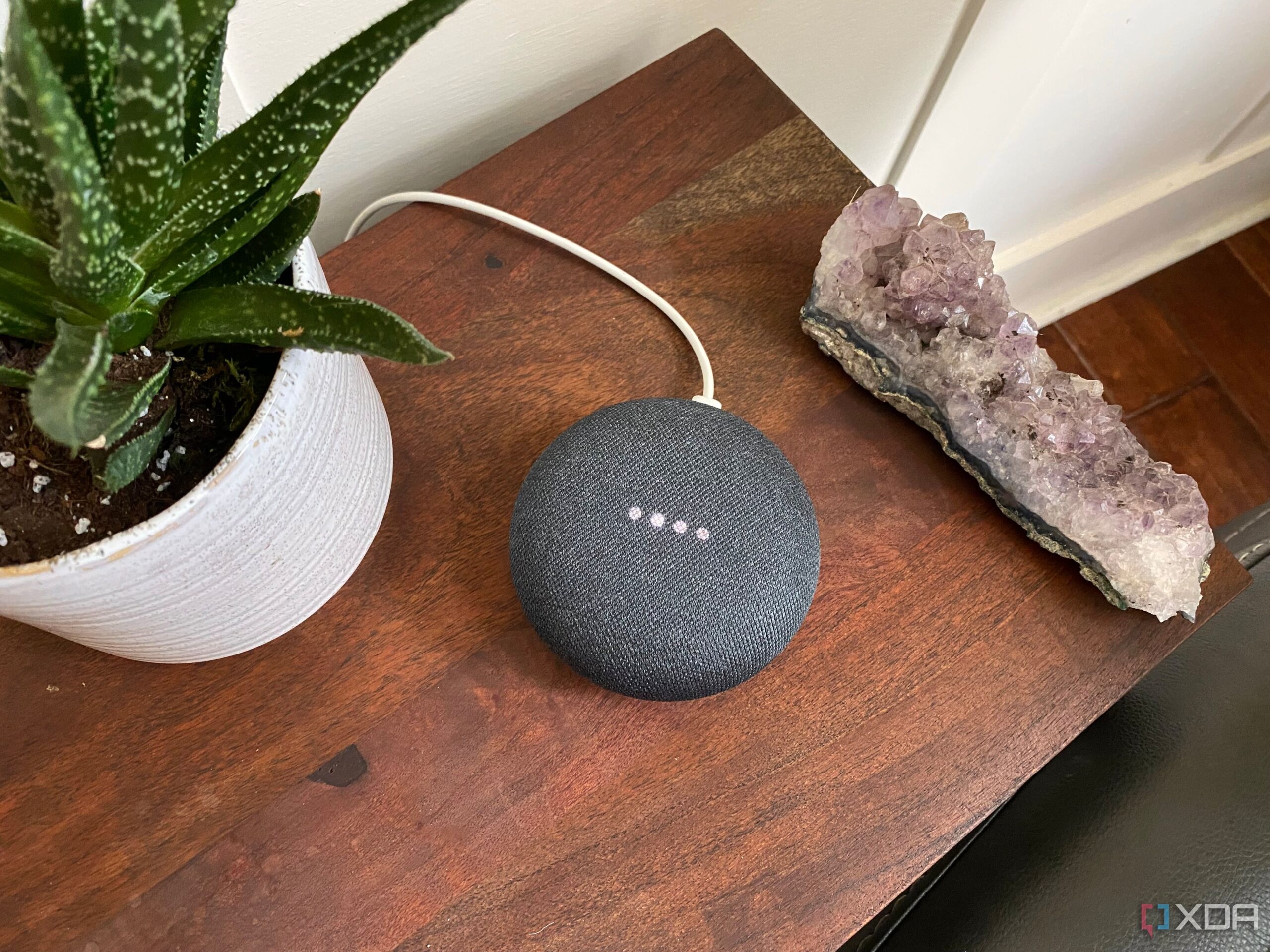
UPDATE: A tech enthusiast has made headlines by ditching Google Home for Home Assistant on a mini PC, marking a shift towards more personalized smart home solutions. This change, announced earlier today, showcases how users are increasingly seeking control over their smart ecosystems.
Home Assistant’s capabilities allow users to integrate a wide range of devices, breaking free from the constraints of major tech ecosystems. This transition is particularly urgent as more households struggle with compatibility issues among smart devices. The shift not only enhances user experience but also increases reliability during internet outages, a common frustration for many smart home users.
In a detailed setup, the user experienced seamless integration of devices from various platforms, including Alexa, HomeKit, and other proprietary systems. “I can now control everything from one dashboard,” the user noted, highlighting the simplicity and efficiency of Home Assistant’s interface. This advancement eliminates the need for multiple apps, allowing for a streamlined experience.
The setup utilizes a powerful mini PC running Home Assistant OS within a Proxmox virtual machine. Initially powered by an Intel N150 processor, the user upgraded to a more robust system to support local language models (LLMs) for voice control. This upgrade illustrates the growing demand for local processing power in smart homes, as users prioritize privacy and local control over reliance on cloud services.
Home Assistant has become a game-changer for homes reliant on internet connectivity. Users can now automate tasks across devices with local control, ensuring that even if their internet goes down, their smart devices remain functional. This level of autonomy resonates with many homeowners seeking dependable solutions.
The user has replaced Google Assistant with open-source voice control systems leveraging ESPHome and local LLMs. “I’ve got open-source smart speakers that work exactly how I want them to,” they stated, reflecting the trend towards DIY solutions that cater to individual needs without recurring costs.
Moreover, the integration of E-Ink tablets running the Home Assistant app allows for deeper control without relying solely on voice commands. Users can customize their interfaces to match their home decor while maintaining functionality.
With the recent rollout of Google Gemini’s AI, many have expressed dissatisfaction with the new system’s performance compared to the previous Google Assistant. This sentiment is echoed by the Home Assistant user, who stated, “I don’t find it anywhere near as responsive or accurate.” Such feedback highlights a growing concern among users regarding the effectiveness of AI-driven voice assistants.
As the demand for local-first smart home solutions increases, Home Assistant’s community continues to expand, offering users more flexibility and control. The user encourages others to explore similar setups, emphasizing that while it may require effort, the payoff is significant.
Next Steps: As smart home technology evolves, the focus is shifting towards local control and integration. Home Assistant’s ongoing developments aim to enhance user experience further. For those interested in transforming their smart homes, now is the time to consider alternatives that offer greater control and customization.
This urgent shift in smart home management reflects a larger trend towards personalization and reliability, making it a hot topic among tech enthusiasts and everyday users alike. Share this story to spread the word about the new era of smart home technology!

**Black Friday Sales Surge: Consumer Confidence Sparks Rate Cut Talk**

Cheryl Hines Sparks Controversy with Melania Trump at Military Event

Trump’s $2,000 Checks: A ‘Brazen’ Vote-Buying Strategy Exposed

Discover Fashion Trends at The Collection Texas Boutique

Graffiti Art Transforms Former Lindy Boggs Medical Center

Automation Revolutionizes Factory Processes: Welding, Painting, and Dispensing

Adecoagro Reports Earnings with $304.21 Million Revenue

Simulations Plus Reports $681,000 Loss in Fiscal Q4 Results

ASML Shares Surge 2.7% Following Analyst Upgrade to Strong Buy

Inventor Achieves Breakthrough with 2 Billion FPS Laser Video

Community Unites for 7th Annual Into the Light Walk for Mental Health

Charlie Sheen’s New Romance: ‘Glowing’ with Younger Partner

Dua Lipa Aces GCSE Spanish, Sparks Super Bowl Buzz with Fans

Mother Fights to Reunite with Children After Kidnapping in New Drama

Curium Group, PeptiDream, and PDRadiopharma Launch Key Cancer Trial

Former Mozilla CMO Launches AI-Driven Cannabis Cocktail Brand Fast

Tyler Technologies Set to Reveal Q3 Earnings on October 22

North Carolina’s Biotech Boom: Billions in New Investments
-
 Science1 month ago
Inventor Achieves Breakthrough with 2 Billion FPS Laser Video
-
 Health2 months ago
Community Unites for 7th Annual Into the Light Walk for Mental Health
-
 Top Stories2 months ago
Charlie Sheen’s New Romance: ‘Glowing’ with Younger Partner
-
 Entertainment2 months ago
Dua Lipa Aces GCSE Spanish, Sparks Super Bowl Buzz with Fans
-
 Entertainment2 months ago
Mother Fights to Reunite with Children After Kidnapping in New Drama
-
 Health2 months ago
Curium Group, PeptiDream, and PDRadiopharma Launch Key Cancer Trial
-
 Top Stories2 months ago
Former Mozilla CMO Launches AI-Driven Cannabis Cocktail Brand Fast
-
 Business2 months ago
Tyler Technologies Set to Reveal Q3 Earnings on October 22
-
 Health2 months ago
North Carolina’s Biotech Boom: Billions in New Investments
-

 World2 months ago
Israel Reopens Rafah Crossing After Hostage Remains Returned
-

 Entertainment2 months ago
Red Sox’s Bregman to Become Free Agent; Tigers Commit to Skubal
-

 World2 months ago
R&B Icon D’Angelo Dies at 51, Leaving Lasting Legacy