
Science
Scientists Create Self-Destructing Plastic for Eco-Friendly Solutions

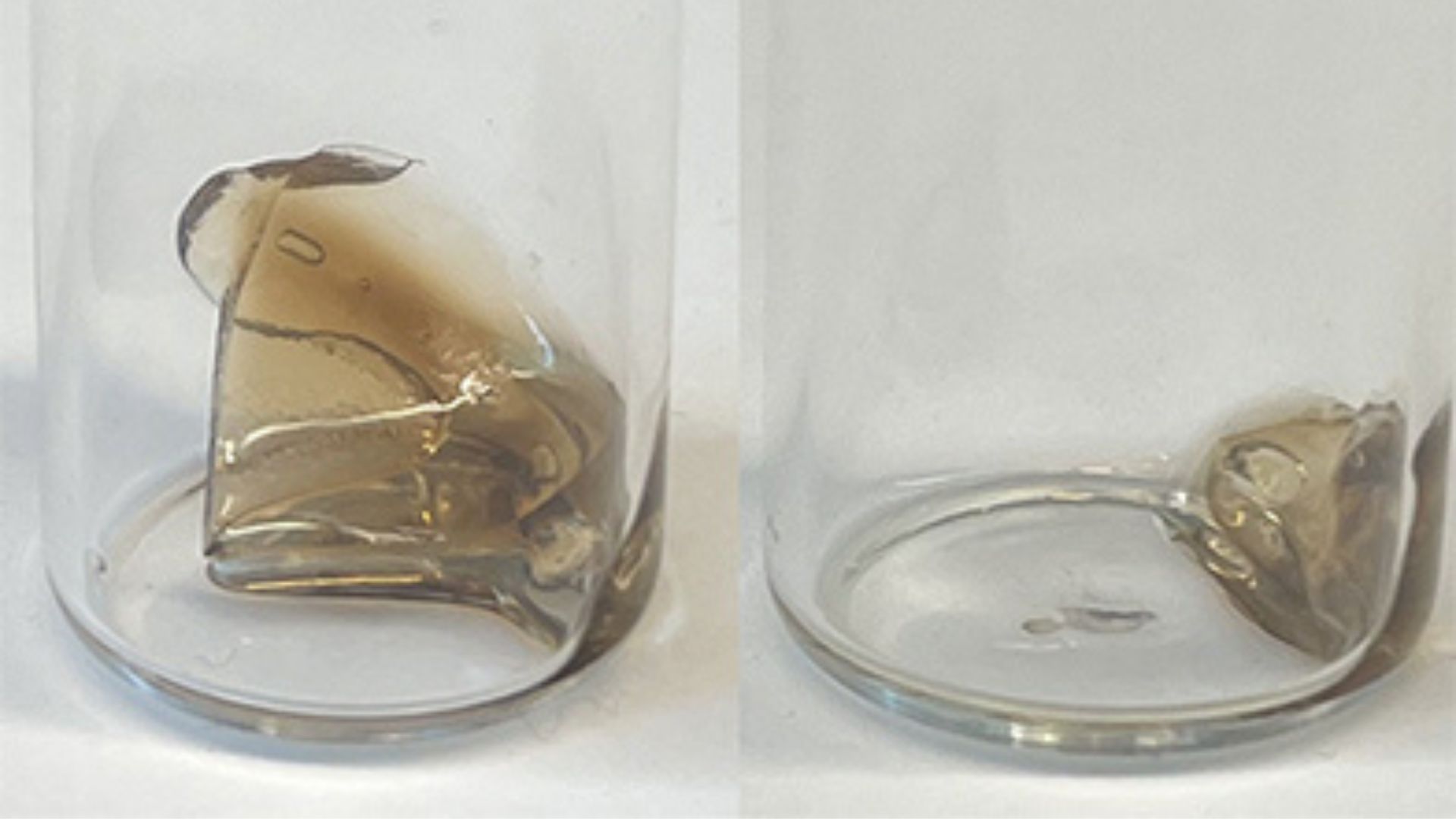
Researchers at Rutgers University have made significant advancements in materials science by developing a new type of plastic that can break down naturally on demand. This innovative plastic can decompose at programmed speeds, offering a potential solution to the growing global plastic waste crisis.
The team, led by Dr. Yevgeniy Kovalchuk, has designed this self-destructing plastic using chemistry inspired by natural processes. The research, published in the journal Nature in March 2024, details how this material can be tailored to degrade under specific conditions, offering a customizable approach to waste management.
Key Features of the New Plastic
The breakthrough involves a unique chemical structure that allows the plastic to respond to environmental triggers. By integrating certain compounds, the scientists can control the degradation rate, making it possible for the plastic to break down completely within a matter of weeks or months, depending on the desired application.
This method contrasts sharply with conventional plastics, which can take hundreds of years to decompose. The implications of this technology are profound, particularly in sectors heavily reliant on plastic use, such as packaging and consumer goods.
In addition to its environmental benefits, the self-destructing plastic could pave the way for more sustainable manufacturing practices. Companies might find it easier to comply with increasingly stringent regulations aimed at reducing plastic waste.
Commercial and Environmental Impact
As global awareness of plastic pollution continues to rise, the demand for sustainable alternatives is at an all-time high. The new technology developed at Rutgers could position businesses to meet this demand while contributing to more sustainable practices.
The researchers are optimistic about the commercial applications of their invention. With the potential to partner with industries looking for eco-friendly options, there is a significant opportunity for economic growth alongside environmental progress. The project not only highlights the innovative spirit at Rutgers University but also underscores the broader need for science-led solutions to pressing global challenges.
The findings from this research may serve as a catalyst for further innovations in biodegradable materials. As scientists continue to explore the intersection of chemistry and environmental sustainability, the hope is that breakthroughs like this will lead to a more sustainable future for the planet.
Through this work, Dr. Kovalchuk and his team are not just addressing a scientific issue; they are actively contributing to a solution for one of the most significant environmental challenges of our time. With continued research and development, this self-destructing plastic could become a key player in the fight against plastic pollution, making a lasting impact on both industry practices and the environment.

Shai Gilgeous-Alexander Chases Wilt Chamberlain’s Scoring Streak

Knicks Dominate Raptors 116-94, Improve Home Record to 10-1

Hallmark’s New Holiday Film ‘Christmas at the Catnip Café’ Debuts

Millville Woman Arrested After Threatening U-Haul Worker with Baton

Japan’s PM Takaichi Vows Continued Fiscal Management Amid Rising Rates

Long Island Faces Wintry Mix Tuesday Morning, Commute Disruption Expected

Blackhawks Surge to 5-3 Victory Over Ducks, Ending 5-Game Winless Streak

Stanford Study Reveals Urgent Shark Extinction Clues Today

Church Members Unite After Devastating Thanksgiving Fire

Inventor Achieves Breakthrough with 2 Billion FPS Laser Video

Community Unites for 7th Annual Into the Light Walk for Mental Health

Charlie Sheen’s New Romance: ‘Glowing’ with Younger Partner

Dua Lipa Aces GCSE Spanish, Sparks Super Bowl Buzz with Fans

Mother Fights to Reunite with Children After Kidnapping in New Drama

Former Mozilla CMO Launches AI-Driven Cannabis Cocktail Brand Fast

Curium Group, PeptiDream, and PDRadiopharma Launch Key Cancer Trial

Tyler Technologies Set to Reveal Q3 Earnings on October 22

Israel Reopens Rafah Crossing After Hostage Remains Returned
-
 Science1 month ago
Inventor Achieves Breakthrough with 2 Billion FPS Laser Video
-
 Health2 months ago
Community Unites for 7th Annual Into the Light Walk for Mental Health
-
 Top Stories2 months ago
Charlie Sheen’s New Romance: ‘Glowing’ with Younger Partner
-
 Entertainment2 months ago
Dua Lipa Aces GCSE Spanish, Sparks Super Bowl Buzz with Fans
-
 Entertainment2 months ago
Mother Fights to Reunite with Children After Kidnapping in New Drama
-
 Top Stories1 month ago
Former Mozilla CMO Launches AI-Driven Cannabis Cocktail Brand Fast
-
 Health2 months ago
Curium Group, PeptiDream, and PDRadiopharma Launch Key Cancer Trial
-
 Business2 months ago
Tyler Technologies Set to Reveal Q3 Earnings on October 22
-
 World2 months ago
Israel Reopens Rafah Crossing After Hostage Remains Returned
-

 Health2 months ago
North Carolina’s Biotech Boom: Billions in New Investments
-

 World2 months ago
R&B Icon D’Angelo Dies at 51, Leaving Lasting Legacy
-

 Entertainment2 months ago
Red Sox’s Bregman to Become Free Agent; Tigers Commit to Skubal