
Health
Measles Cases Rise Despite Global Decrease in Deaths, WHO Reports

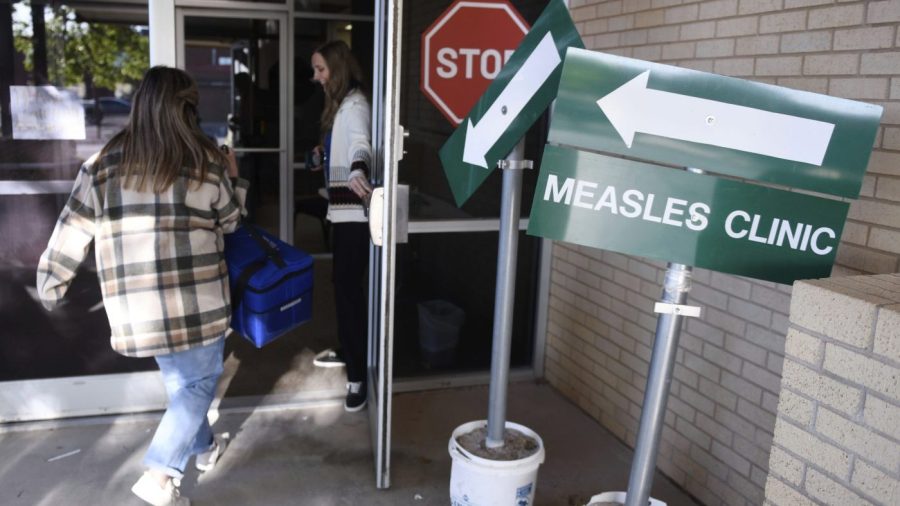
The World Health Organization (WHO) has reported a troubling increase in measles cases worldwide, even as deaths from the disease have significantly declined. According to the organization’s latest data, modeled estimates indicate that the annual number of measles cases has decreased from approximately 38 million in 2000 to about 11 million in 2024. In contrast, the number of deaths resulting from measles has dramatically fallen from 780,000 to 95,000 over the same period.
This paradox of rising case numbers alongside decreasing fatalities raises important questions about vaccination coverage and public health responses. The WHO emphasizes that while progress has been made in reducing mortality rates, the rise in measles cases suggests that immunity gaps exist in many regions. These gaps often stem from lower vaccination rates, which can leave communities vulnerable to outbreaks.
Vaccination Efforts Under Scrutiny
Vaccination is a critical factor in controlling measles, a highly contagious viral disease. The WHO has long advocated for increased vaccination efforts to prevent outbreaks. The organization notes that in many countries, vaccination coverage has stagnated, leading to increased susceptibility among unvaccinated populations.
During the last decade, some areas have reported significant declines in vaccination rates, particularly among children. The WHO has called on governments and health organizations to prioritize immunization campaigns. Addressing misinformation about vaccines and enhancing public awareness are essential steps to boost vaccination rates.
The consequences of these immunity gaps are evident. Outbreaks in various regions, including Europe and North America, have underscored the need for urgent action. The WHO urges that a concerted global effort is necessary to ensure widespread access to vaccines and to educate communities about their importance.
Global Health Implications
The implications of rising measles cases extend beyond individual health. Measles outbreaks can strain healthcare systems, diverting resources from other critical areas. Furthermore, the economic impact of managing outbreaks can be substantial, affecting both local and national economies.
In light of these challenges, the WHO continues to advocate for a comprehensive approach that includes enhancing surveillance systems, improving healthcare infrastructure, and ensuring equitable access to vaccines. The organization remains committed to its goal of eliminating measles globally, recognizing that achieving this objective requires collaboration among governments, healthcare providers, and communities.
As the world grapples with the ongoing challenges posed by infectious diseases, the current situation with measles serves as a sobering reminder of the importance of vaccination and public health initiatives. Ensuring that every child is vaccinated against measles is crucial not only for individual protection but also for the health of communities worldwide.

Elon Musk Declares AI Will Solve US Debt Crisis in 3 Years

Shai Gilgeous-Alexander Chases Wilt Chamberlain’s Scoring Streak

Knicks Dominate Raptors 116-94, Improve Home Record to 10-1

Hallmark’s New Holiday Film ‘Christmas at the Catnip Café’ Debuts

Millville Woman Arrested After Threatening U-Haul Worker with Baton

Japan’s PM Takaichi Vows Continued Fiscal Management Amid Rising Rates

Long Island Faces Wintry Mix Tuesday Morning, Commute Disruption Expected

Blackhawks Surge to 5-3 Victory Over Ducks, Ending 5-Game Winless Streak

Stanford Study Reveals Urgent Shark Extinction Clues Today

Inventor Achieves Breakthrough with 2 Billion FPS Laser Video

Community Unites for 7th Annual Into the Light Walk for Mental Health

Charlie Sheen’s New Romance: ‘Glowing’ with Younger Partner

Dua Lipa Aces GCSE Spanish, Sparks Super Bowl Buzz with Fans

Mother Fights to Reunite with Children After Kidnapping in New Drama

Former Mozilla CMO Launches AI-Driven Cannabis Cocktail Brand Fast

Curium Group, PeptiDream, and PDRadiopharma Launch Key Cancer Trial

Tyler Technologies Set to Reveal Q3 Earnings on October 22

Israel Reopens Rafah Crossing After Hostage Remains Returned
-
 Science1 month ago
Inventor Achieves Breakthrough with 2 Billion FPS Laser Video
-
 Health2 months ago
Community Unites for 7th Annual Into the Light Walk for Mental Health
-
 Top Stories2 months ago
Charlie Sheen’s New Romance: ‘Glowing’ with Younger Partner
-
 Entertainment2 months ago
Dua Lipa Aces GCSE Spanish, Sparks Super Bowl Buzz with Fans
-
 Entertainment2 months ago
Mother Fights to Reunite with Children After Kidnapping in New Drama
-
 Top Stories1 month ago
Former Mozilla CMO Launches AI-Driven Cannabis Cocktail Brand Fast
-
 Health2 months ago
Curium Group, PeptiDream, and PDRadiopharma Launch Key Cancer Trial
-
 Business2 months ago
Tyler Technologies Set to Reveal Q3 Earnings on October 22
-
 World2 months ago
Israel Reopens Rafah Crossing After Hostage Remains Returned
-

 Health2 months ago
North Carolina’s Biotech Boom: Billions in New Investments
-

 World2 months ago
R&B Icon D’Angelo Dies at 51, Leaving Lasting Legacy
-

 Entertainment2 months ago
Red Sox’s Bregman to Become Free Agent; Tigers Commit to Skubal