
Top Stories
AMD’s RX 9060 Launch Sparks Outrage Over 8GB VRAM Limits

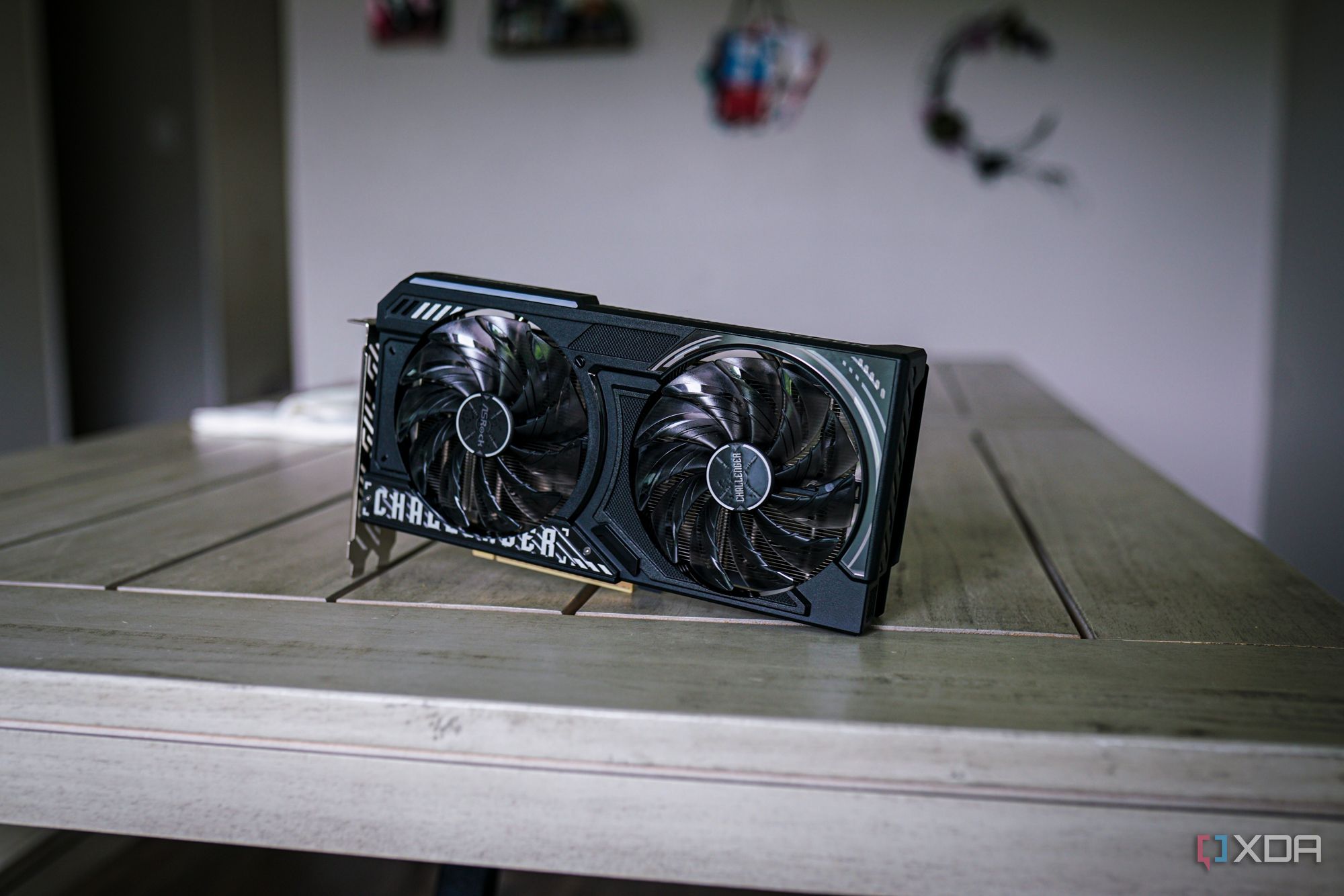
UPDATE: AMD’s newly launched RX 9060 graphics card is facing immediate backlash for its 8GB VRAM limitation, just months after the company introduced the RX 9060 XT. This latest revelation has ignited serious concerns among gamers who are demanding better performance standards.
The RX 9060 was announced quietly by AMD and is exclusively available in pre-built systems, leaving DIY PC builders in the dark about this new offering. Many consumers are frustrated over the lack of availability and the potential confusion between the RX 9060 and its more powerful counterpart, the RX 9060 XT.
The core issue lies in the 8GB VRAM capacity of the RX 9060, which many experts argue is inadequate for modern gaming. Despite AMD’s claims, gamers have reported significant performance issues, including texture popping and system crashes, even at 1080p resolution. As gaming technology evolves, the consensus is clear: 8GB VRAM is no longer sufficient.
According to testing by Hardware Unboxed, the RX 9060 is approximately 13-14% slower than the RX 9060 XT, which raises questions about AMD’s strategy. The RX 9060 was expected to be priced around $240-$250, potentially offering better value than competitors like Intel’s Arc B580, which boasts 12GB VRAM. However, with its limited availability, many gamers feel cheated out of what could have been a solid budget option.
The decision to restrict the RX 9060 to pre-built systems has sparked further outrage. Gamers are left with no choice but to purchase complete systems if they wish to use the new GPU. This move is speculated to be a strategic effort by AMD to minimize negative scrutiny over the 8GB VRAM issue.
The naming confusion does not help matters. The average consumer browsing for gaming PCs on platforms like Amazon may easily mistake the RX 9060 for the RX 9060 XT, due to their similar titles and identical 8GB VRAM specification. This can mislead buyers into thinking they’re getting a superior product at a lower price. Such practices resemble tactics used by Nvidia with its previous RTX 4080 12GB model, raising ethical questions about marketing strategies in the GPU industry.
Moreover, rumors suggest AMD may be working on the RX 9050, but it remains uncertain whether this model will also be confined to the pre-built market.
As discussions around this GPU heat up, consumers are left questioning AMD’s commitment to quality and value. The RX 9060’s potential was lost in a flawed launch strategy that prioritizes revenue over customer satisfaction.
For gamers looking to upgrade their systems, AMD’s RX 9060 could have been an attractive option, but the limitations placed on its availability and performance have led to widespread disappointment. As AMD navigates this backlash, consumers will be watching closely for any adjustments to their product strategies.
In the coming days, AMD will need to address these concerns to regain its footing in the competitive GPU market. The tech community is eager to see how the situation unfolds as gamers voice their frustrations and demand better products. Stay tuned for the latest updates on this developing story.

Bret Baier Launches Podcast Episode on Rescuing American Spirit

Jamal Murray Sprains Ankle in Nuggets’ Urgent Loss to Mavs

Borneo Election Shakes Malaysian Government, Anwar Faces Setback

Southwest Airlines’ New Policy Forces Plus-Size Passengers to Pay More

Jafar Panahi Triumphs at 2025 Gotham Awards with Three Major Wins

Quick 20-Minute Low-Impact Workout Boosts Strength and Metabolism

Local Vendors Shine at Jingle & Mingle Holiday Market

Niobay Metals Shares Plunge 20.6% Amid Increased Trading Activity

Trial Begins for Merrillville Man Accused of Murdering Girlfriend

Inventor Achieves Breakthrough with 2 Billion FPS Laser Video

Community Unites for 7th Annual Into the Light Walk for Mental Health

Charlie Sheen’s New Romance: ‘Glowing’ with Younger Partner

Dua Lipa Aces GCSE Spanish, Sparks Super Bowl Buzz with Fans

Curium Group, PeptiDream, and PDRadiopharma Launch Key Cancer Trial

Mother Fights to Reunite with Children After Kidnapping in New Drama

Former Mozilla CMO Launches AI-Driven Cannabis Cocktail Brand Fast

Tyler Technologies Set to Reveal Q3 Earnings on October 22

Israel Reopens Rafah Crossing After Hostage Remains Returned
-
 Science1 month ago
Inventor Achieves Breakthrough with 2 Billion FPS Laser Video
-
 Health2 months ago
Community Unites for 7th Annual Into the Light Walk for Mental Health
-
 Top Stories2 months ago
Charlie Sheen’s New Romance: ‘Glowing’ with Younger Partner
-
 Entertainment2 months ago
Dua Lipa Aces GCSE Spanish, Sparks Super Bowl Buzz with Fans
-
 Health2 months ago
Curium Group, PeptiDream, and PDRadiopharma Launch Key Cancer Trial
-
 Entertainment2 months ago
Mother Fights to Reunite with Children After Kidnapping in New Drama
-
 Top Stories2 months ago
Former Mozilla CMO Launches AI-Driven Cannabis Cocktail Brand Fast
-
 Business2 months ago
Tyler Technologies Set to Reveal Q3 Earnings on October 22
-
 World2 months ago
Israel Reopens Rafah Crossing After Hostage Remains Returned
-

 Health2 months ago
North Carolina’s Biotech Boom: Billions in New Investments
-

 Entertainment2 months ago
Red Sox’s Bregman to Become Free Agent; Tigers Commit to Skubal
-

 World2 months ago
R&B Icon D’Angelo Dies at 51, Leaving Lasting Legacy