
Health
RFK Jr. Restructures Vaccine Program Amid Financial Concerns

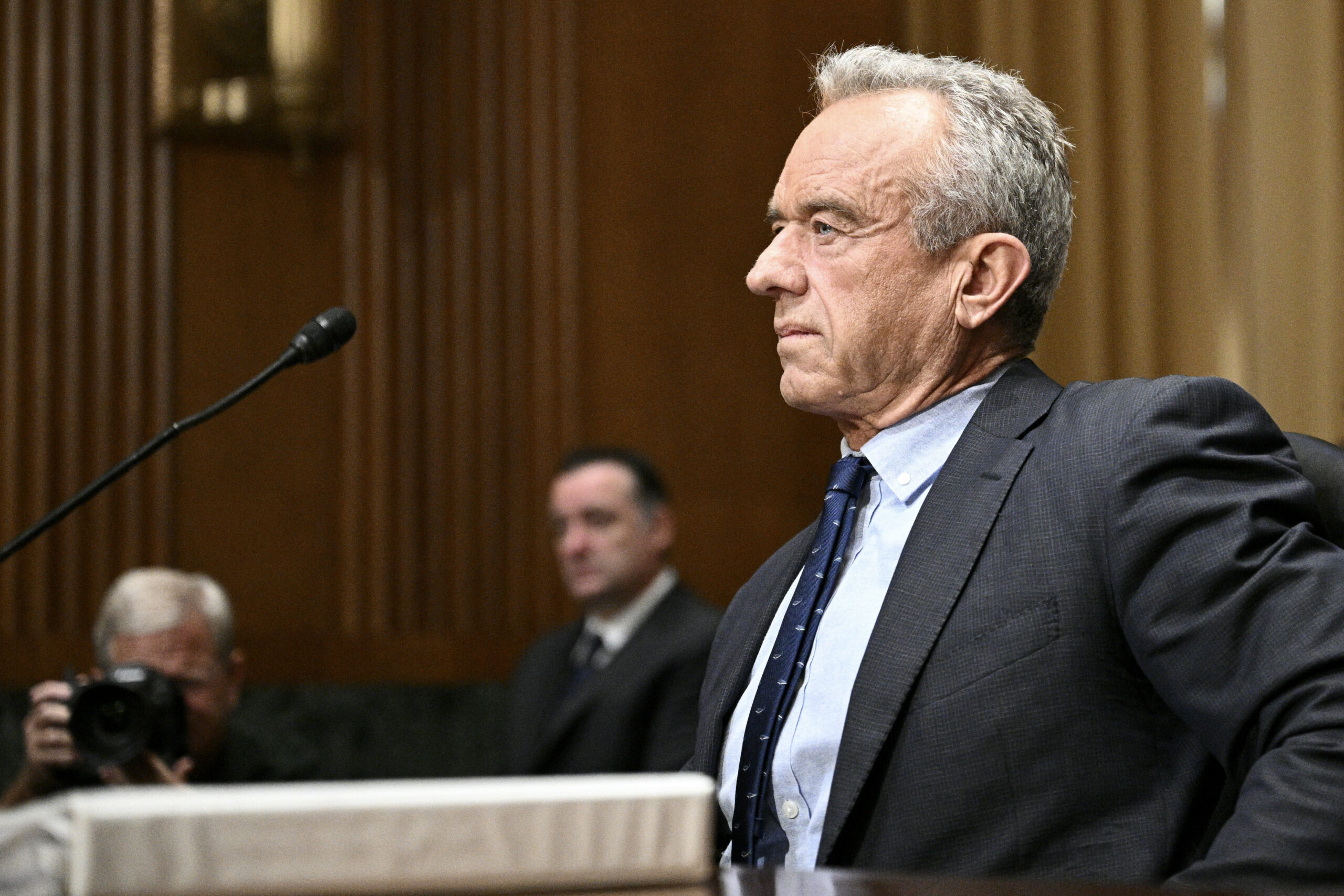
Robert F. Kennedy Jr. (RFK Jr.) is implementing significant changes to the Vaccines for Children Program (VFC), which provides vaccines to low-income families in the United States. This overhaul comes as a response to mounting pressure from some advocates who argue that autism cases should be considered in the program’s framework. Critics warn that this approach could jeopardize the program’s financial stability, potentially leading to its collapse.
The VFC program, which has been instrumental in maintaining access to vaccines for millions of American children since its inception in 1993, serves approximately 10 million children annually. The program covers a wide range of vaccines recommended by the U.S. Centers for Disease Control and Prevention (CDC) for children under the age of 19. RFK Jr., who has long been an outspoken critic of vaccines, is aligning with his anti-vaccine allies, raising concerns about the program’s future.
The proposed changes aim to incorporate data on autism spectrum disorder into the program’s evaluations. Proponents of this initiative argue that it is crucial to investigate any potential link between vaccines and autism. However, many health experts and advocates believe that this could lead to a reduction in available funding, ultimately undermining the program’s purpose.
The U.S. Department of Health and Human Services (HHS) has issued warnings that altering the VFC framework to include autism-related considerations might create financial strain. September 2023 marks a pivotal moment as discussions surrounding these changes intensify, with various stakeholders voicing their concerns.
As the situation develops, advocates for public health remain on high alert. The VFC program is not just a financial safety net; it is a cornerstone of preventive health care that protects vulnerable populations. The potential ramifications of RFK Jr.’s proposed restructuring extend beyond finances, impacting public trust in vaccination efforts.
Health professionals emphasize the importance of maintaining robust vaccination programs to prevent outbreaks of vaccine-preventable diseases. They argue that diverting resources to address autism claims could detract from the primary mission of the VFC program.
The debate reflects a broader national conversation about vaccines, public health policy, and parental rights. As RFK Jr. pushes for changes to the program, it remains to be seen how this will affect vaccination rates and public health outcomes. The outcome could have lasting implications for children who rely on the VFC program for their immunizations.
In conclusion, the restructuring of the VFC program by RFK Jr. is a complex issue that intertwines health policy, financial sustainability, and public perception. The coming months will be crucial as stakeholders navigate these changes and their potential impact on vaccine access for American children.

Stanford Study Reveals Urgent Shark Extinction Clues Today

Church Members Unite After Devastating Thanksgiving Fire

Brock Purdy Shines with Hip-Hop Flair in 49ers’ 26-8 Win

Repurposed Drug Shows Promise in Reversing Alzheimer’s in Mice

Rams Suffer Humbling Loss, Fall from NFC’s Top Position

Trump Promises to Release MRI Results from October Scan

Tracy Davidson Transitions to Motivational Speaking After TV Career

Short-Term Nitrous Oxide Treatment Shows Promise for Depression

South Korea Urgently Strengthens FX Oversight Amid Volatility

Inventor Achieves Breakthrough with 2 Billion FPS Laser Video

Community Unites for 7th Annual Into the Light Walk for Mental Health

Charlie Sheen’s New Romance: ‘Glowing’ with Younger Partner

Dua Lipa Aces GCSE Spanish, Sparks Super Bowl Buzz with Fans

Mother Fights to Reunite with Children After Kidnapping in New Drama

Former Mozilla CMO Launches AI-Driven Cannabis Cocktail Brand Fast

Curium Group, PeptiDream, and PDRadiopharma Launch Key Cancer Trial

Tyler Technologies Set to Reveal Q3 Earnings on October 22

Israel Reopens Rafah Crossing After Hostage Remains Returned
-
 Science1 month ago
Inventor Achieves Breakthrough with 2 Billion FPS Laser Video
-
 Health2 months ago
Community Unites for 7th Annual Into the Light Walk for Mental Health
-
 Top Stories2 months ago
Charlie Sheen’s New Romance: ‘Glowing’ with Younger Partner
-
 Entertainment2 months ago
Dua Lipa Aces GCSE Spanish, Sparks Super Bowl Buzz with Fans
-
 Entertainment2 months ago
Mother Fights to Reunite with Children After Kidnapping in New Drama
-
 Top Stories1 month ago
Former Mozilla CMO Launches AI-Driven Cannabis Cocktail Brand Fast
-
 Health2 months ago
Curium Group, PeptiDream, and PDRadiopharma Launch Key Cancer Trial
-
 Business2 months ago
Tyler Technologies Set to Reveal Q3 Earnings on October 22
-
 World2 months ago
Israel Reopens Rafah Crossing After Hostage Remains Returned
-

 Health2 months ago
North Carolina’s Biotech Boom: Billions in New Investments
-

 World2 months ago
R&B Icon D’Angelo Dies at 51, Leaving Lasting Legacy
-
 Entertainment2 months ago
Red Sox’s Bregman to Become Free Agent; Tigers Commit to Skubal