
Top Stories
Microsoft Faces Urgent Windows 11 Crisis Amid Core Failures

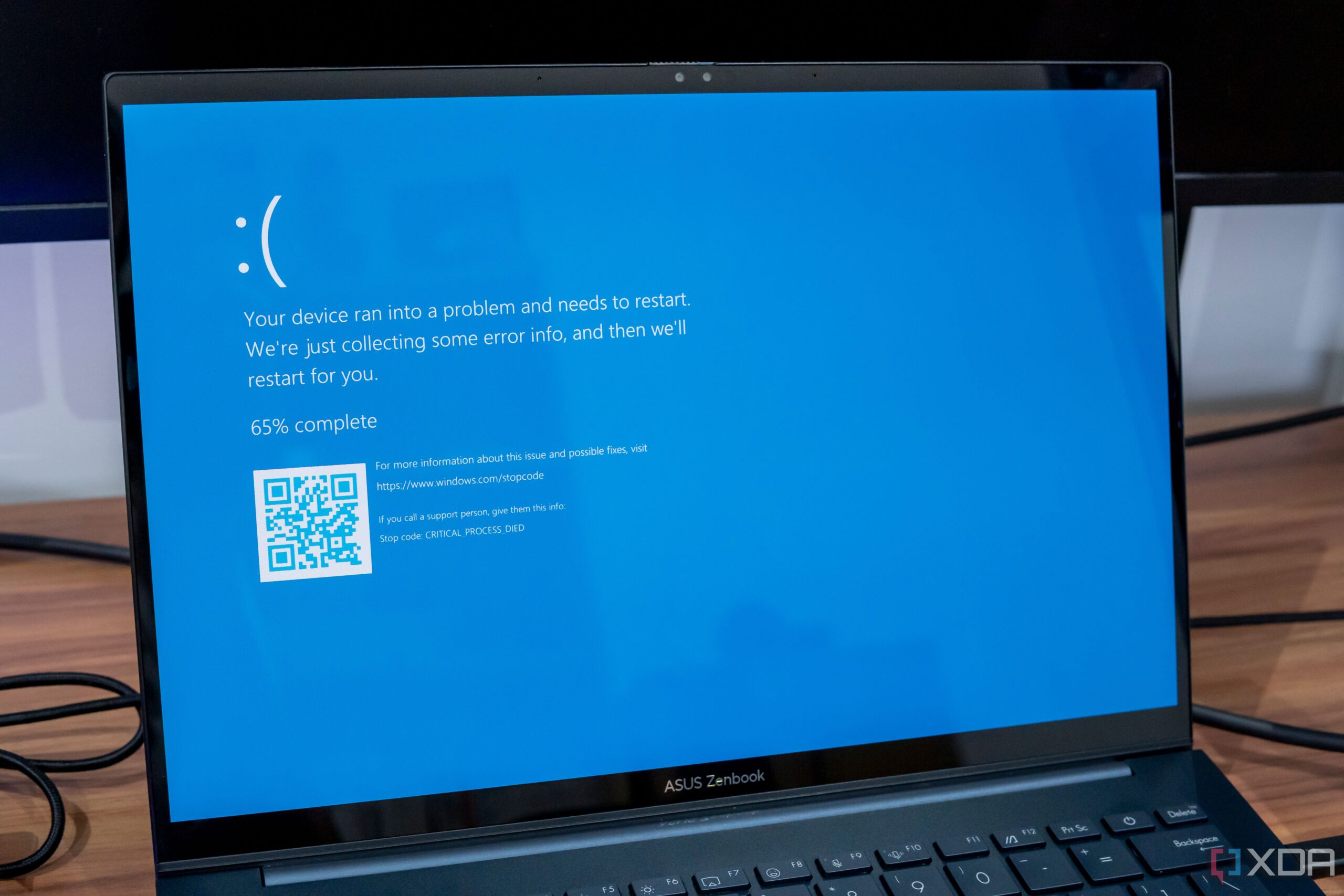
UPDATE: Microsoft is confronting a significant crisis with Windows 11, as critical components of the operating system are failing to function properly. The company has confirmed that major features, including the Start Menu, Taskbar, File Explorer, and Settings app, are experiencing severe bugs that have plagued users for months.
Just recently, Microsoft acknowledged in a support bulletin that these issues stem from a problematic software component introduced in a July 2025 update. Users have reported persistent failures, including crashes of essential processes like Explorer.exe and the inability to open the Start menu.
The fallout has left countless users frustrated, as they grapple with non-functional features that are integral to their daily computing tasks. Microsoft has offered temporary workarounds, but the core user experience remains compromised.
This troubling situation comes as Microsoft attempts to pivot towards an AI-driven future. CEO Satya Nadella announced that up to 30% of the code being produced at Microsoft is now written by AI, raising concerns about the quality and reliability of updates. Many users are questioning whether this shift is contributing to the increasing instability of Windows 11.
The erosion of user trust is evident. Following the stringent hardware requirements imposed at launch, Microsoft has seen approximately 1 billion PCs still running Windows 10, despite the operating system reaching its end-of-life in October 2025. This has created a growing sentiment that users are better off avoiding the troubled upgrade.
As users clamor for a reliable operating system, Microsoft faces a critical decision: continue pushing AI features or address the core functionality that has become increasingly fragile. The backlash against aggressive feature integration, such as the persistent Copilot button in the taskbar, highlights a disconnect between user needs and Microsoft’s vision for the future.
Microsoft now stands at a crossroads. Users demand an operating system that simply works. The company must consider a fundamental shift in priorities—possibly implementing a feature freeze on new AI integrations until the current issues are resolved.
With time running short, Microsoft must act decisively to restore user confidence. The clock is ticking, and the growing number of users exploring alternative operating systems could pose a serious threat to Microsoft’s market share if these problems persist. As the situation develops, users and tech analysts alike are watching closely to see if Microsoft can turn this crisis around.

Leak Reveals Next-Gen Xbox Magnus as Premium Steam Machine

Trump Issues Ultimatum to Maduro; Venezuela Closes Airspace

Microsoft Faces Urgent Windows 11 Crisis Amid Core Failures

Engineering Legend Professor Ted de Winter Passes at 93

The Game Reacts to Celeste Rivas’ Death, Calls for Justice

Global Psoriasis Rates Climb Steadily, Especially in Wealthy Areas

$500,000 Grant Fuels Development of Children’s Imagination Station

OMERS Administration Corp Increases Stake in Qualcomm by 2.4%

ISOLDE Celebrates a Decade of Advances in Nuclear Research

Inventor Achieves Breakthrough with 2 Billion FPS Laser Video

Community Unites for 7th Annual Into the Light Walk for Mental Health

Charlie Sheen’s New Romance: ‘Glowing’ with Younger Partner

Dua Lipa Aces GCSE Spanish, Sparks Super Bowl Buzz with Fans

Mother Fights to Reunite with Children After Kidnapping in New Drama

Former Mozilla CMO Launches AI-Driven Cannabis Cocktail Brand Fast

Tyler Technologies Set to Reveal Q3 Earnings on October 22

Curium Group, PeptiDream, and PDRadiopharma Launch Key Cancer Trial

Israel Reopens Rafah Crossing After Hostage Remains Returned
-
 Science1 month ago
Inventor Achieves Breakthrough with 2 Billion FPS Laser Video
-
 Health2 months ago
Community Unites for 7th Annual Into the Light Walk for Mental Health
-
 Top Stories2 months ago
Charlie Sheen’s New Romance: ‘Glowing’ with Younger Partner
-
 Entertainment2 months ago
Dua Lipa Aces GCSE Spanish, Sparks Super Bowl Buzz with Fans
-
 Entertainment2 months ago
Mother Fights to Reunite with Children After Kidnapping in New Drama
-
 Top Stories2 months ago
Former Mozilla CMO Launches AI-Driven Cannabis Cocktail Brand Fast
-
 Business2 months ago
Tyler Technologies Set to Reveal Q3 Earnings on October 22
-
 Health2 months ago
Curium Group, PeptiDream, and PDRadiopharma Launch Key Cancer Trial
-
 World2 months ago
Israel Reopens Rafah Crossing After Hostage Remains Returned
-

 Health2 months ago
North Carolina’s Biotech Boom: Billions in New Investments
-

 World2 months ago
R&B Icon D’Angelo Dies at 51, Leaving Lasting Legacy
-

 Entertainment2 months ago
Red Sox’s Bregman to Become Free Agent; Tigers Commit to Skubal