
Science
NASA Study Unveils Surprising Findings About Black Holes

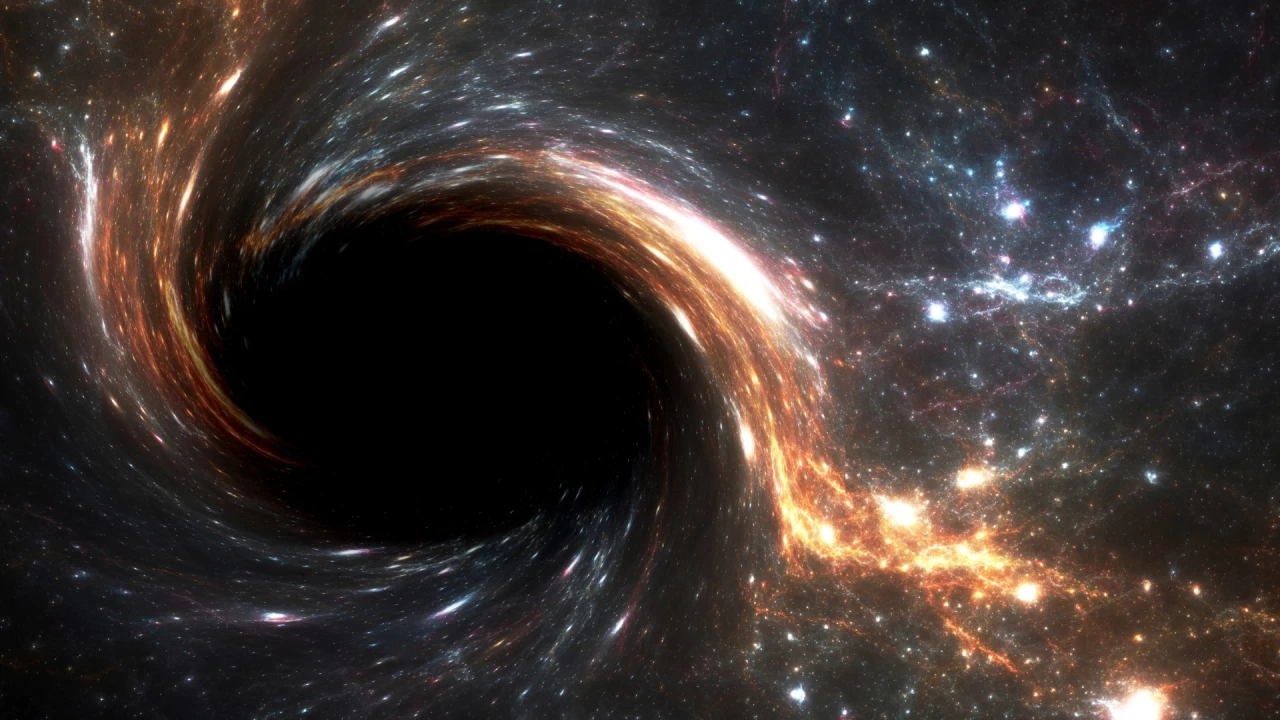
A recent study by NASA has revealed unexpected findings regarding black holes, leading to renewed intrigue and debate among scientists. The research, published in March 2024, challenges long-held assumptions about the nature and behavior of these mysterious cosmic entities.
The study utilized data from the Event Horizon Telescope, which captured the first images of a black hole in 2019. Researchers analyzed observations from various locations, including the Atacama Desert in Chile and the South Pole, to gain insights into the gravitational dynamics surrounding these massive objects. The results suggest that black holes may possess more complex structures than previously understood, which could have significant implications for our knowledge of the universe.
One of the critical findings involves the way black holes interact with their surrounding environments. Instead of simply consuming matter, the study indicates that black holes may also eject material at high velocities. This phenomenon could explain some of the energetic emissions detected in the vicinity of these objects. Dr. Sophia Ramirez, a lead researcher on the project, stated, “
The impact of black holes on their surroundings is more dynamic than we ever thought. This opens up new avenues for research and understanding the universe.
”
Furthermore, the study highlights the role of black holes in cosmic evolution. Their gravitational pull influences the formation and movement of galaxies, affecting star formation processes across vast distances. The implications of this could reshape our understanding of the lifecycle of galaxies and the overall structure of the universe.
The research also poses new questions about the fundamental physics governing black holes. Current models may not adequately explain the complexities observed, prompting scientists to reconsider existing theories. The findings encourage a collaborative approach, as researchers from various fields, including astrophysics and theoretical physics, discuss potential adjustments to current models.
As scientists continue to analyze the implications of this study, the quest to understand black holes remains at the forefront of modern astrophysics. The ongoing dialogue within the scientific community underscores the nature of scientific inquiry—constantly evolving as new data emerges.
In summary, the latest study from NASA not only deepens the mystery surrounding black holes but also invites a reexamination of our current understanding of these enigmatic entities. As research progresses, the universe’s most elusive phenomena continue to captivate scientists and the public alike, promising further revelations in the future.

Uber Driver Shot in Head Released from Hospital, Investigation Ongoing

UNT Prepares for Title Game Amid Eric Morris’ Oklahoma State Move

Trump Jr. Slams NYT Over Migrant Report, Sparks Outrage Online

NASA Study Unveils Surprising Findings About Black Holes

Cardiol Therapeutics Shares Drop 13.9% Amid Increased Trading Volume

U.S. Space Force Trainees Unveil New Dress Uniform at Graduation

Sego Resources Stock Surges 50%: Is This the Right Time to Invest?

Travis Johnson, Influential El Paso Leader, Dies at 89

White House Releases Donald Trump’s MRI Results, Health Declared Normal

Inventor Achieves Breakthrough with 2 Billion FPS Laser Video

Community Unites for 7th Annual Into the Light Walk for Mental Health

Charlie Sheen’s New Romance: ‘Glowing’ with Younger Partner

Dua Lipa Aces GCSE Spanish, Sparks Super Bowl Buzz with Fans

Mother Fights to Reunite with Children After Kidnapping in New Drama

Curium Group, PeptiDream, and PDRadiopharma Launch Key Cancer Trial

Former Mozilla CMO Launches AI-Driven Cannabis Cocktail Brand Fast

Tyler Technologies Set to Reveal Q3 Earnings on October 22

North Carolina’s Biotech Boom: Billions in New Investments
-
 Science1 month ago
Inventor Achieves Breakthrough with 2 Billion FPS Laser Video
-
 Health2 months ago
Community Unites for 7th Annual Into the Light Walk for Mental Health
-
 Top Stories2 months ago
Charlie Sheen’s New Romance: ‘Glowing’ with Younger Partner
-
 Entertainment2 months ago
Dua Lipa Aces GCSE Spanish, Sparks Super Bowl Buzz with Fans
-
 Entertainment2 months ago
Mother Fights to Reunite with Children After Kidnapping in New Drama
-
 Health2 months ago
Curium Group, PeptiDream, and PDRadiopharma Launch Key Cancer Trial
-
 Top Stories2 months ago
Former Mozilla CMO Launches AI-Driven Cannabis Cocktail Brand Fast
-
 Business2 months ago
Tyler Technologies Set to Reveal Q3 Earnings on October 22
-
 Health2 months ago
North Carolina’s Biotech Boom: Billions in New Investments
-

 World2 months ago
Israel Reopens Rafah Crossing After Hostage Remains Returned
-

 Entertainment2 months ago
Red Sox’s Bregman to Become Free Agent; Tigers Commit to Skubal
-

 World2 months ago
R&B Icon D’Angelo Dies at 51, Leaving Lasting Legacy