
Health
CEO Shares Five Tips to Become a Morning Person Without Alarms

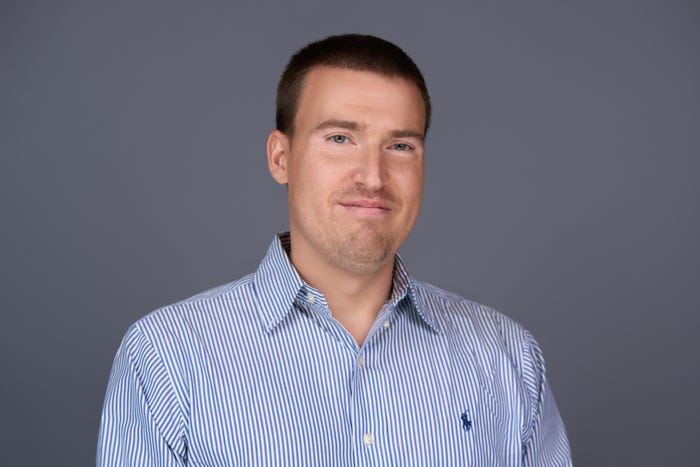
Branislav Nikolic, the CEO of AYO, a company specializing in light therapy wearables, has mastered the art of waking up without an alarm clock. His success stems from a deep understanding of the body’s internal clock, known as the circadian rhythm, which influences energy levels and overall health. Nikolic’s approach, which has evolved over a decade, offers a roadmap for anyone wishing to transition into a morning person and enhance daily vitality.
Understanding the significance of light exposure, Nikolic emphasizes that getting at least 30 minutes of natural light daily can significantly impact your energy levels. During his time as a graduate student in the often-cloudy Netherlands, he experienced challenges with low energy and waking up. To combat this, he utilized light therapy devices, which helped him adapt to the lack of sunlight. He notes that simple changes, such as opening curtains or enjoying a morning walk, can effectively boost one’s mood and energy without requiring extensive time outdoors.
Recognizing Your Chronotype
Another key aspect Nikolic highlights is understanding one’s chronotype—the natural tendency for an individual to feel more active at certain times of the day. By aligning daily activities with this internal clock, individuals can mitigate feelings of fatigue during critical hours. “It is really about having your circadian rhythm and your lifestyle in sync,” he explains. For night owls who must work early, exposure to natural sunlight in the morning can help reset their internal clocks.
Establishing Consistent Routines
Consistency is paramount in developing a healthy circadian rhythm. Nikolic advises against using screens in the hours leading up to bedtime, as blue light can hinder the body’s natural winding down process. He recommends creating a distinctly dimmer environment an hour or two before sleep to signal to the body that it is time to rest.
Additionally, late-night snacking can disrupt sleep quality. Nikolic suggests avoiding food intake in the two hours before bedtime to facilitate better sleep and metabolic health. Research supports this, indicating that late meals can interfere with the body’s preparation for rest, including the release of melatonin, the hormone responsible for sleep regulation.
To facilitate a gradual transition away from alarm clocks, Nikolic recommends using weekends to gauge one’s natural wake-up time. He encourages individuals to allow their bodies to wake up naturally on days without early obligations, while still maintaining consistent routines throughout the weekend.
By implementing these strategies, Nikolic believes that anyone can train themselves to rise with the sun and embrace a more energized start to their day. As he succinctly puts it, “Ditch the alarm clock and let your body wake up naturally.” His insights reflect a broader understanding of how circadian health can lead to a happier, healthier life, potentially enhancing longevity and reducing the risk of chronic illnesses.

Tech Giants Face Urgent Scrutiny Over Trump Ballroom Donations

Alex Jones Claims Military Coup Against Trump is Underway

California Issues Warning After Discovery of Contaminated Wild Pig Meat

Chick-fil-A to Shift 400 Locations to Owner-Operator Model

Cincinnati’s Feast of Carols Celebrates Holiday Spirit with Music

CEO Shares Five Tips to Become a Morning Person Without Alarms

Iconic Stahl House Listed for $25 Million, Offers Exclusive Tour

Chick-fil-A to Shift 400 Locations to Owner-Operator Model NOW

Church’s Controversial Nativity Scene Sparks Outrage Over ICE Message

Inventor Achieves Breakthrough with 2 Billion FPS Laser Video

Community Unites for 7th Annual Into the Light Walk for Mental Health

Charlie Sheen’s New Romance: ‘Glowing’ with Younger Partner

Dua Lipa Aces GCSE Spanish, Sparks Super Bowl Buzz with Fans

Mother Fights to Reunite with Children After Kidnapping in New Drama

Curium Group, PeptiDream, and PDRadiopharma Launch Key Cancer Trial

Israel Reopens Rafah Crossing After Hostage Remains Returned

Former Mozilla CMO Launches AI-Driven Cannabis Cocktail Brand Fast

Tyler Technologies Set to Reveal Q3 Earnings on October 22
-
 Science2 months ago
Inventor Achieves Breakthrough with 2 Billion FPS Laser Video
-
 Health2 months ago
Community Unites for 7th Annual Into the Light Walk for Mental Health
-
 Top Stories2 months ago
Charlie Sheen’s New Romance: ‘Glowing’ with Younger Partner
-
 Entertainment2 months ago
Dua Lipa Aces GCSE Spanish, Sparks Super Bowl Buzz with Fans
-
 Entertainment2 months ago
Mother Fights to Reunite with Children After Kidnapping in New Drama
-
 Health2 months ago
Curium Group, PeptiDream, and PDRadiopharma Launch Key Cancer Trial
-
 World2 months ago
Israel Reopens Rafah Crossing After Hostage Remains Returned
-
 Top Stories2 months ago
Former Mozilla CMO Launches AI-Driven Cannabis Cocktail Brand Fast
-
 Business2 months ago
Tyler Technologies Set to Reveal Q3 Earnings on October 22
-

 Health2 months ago
North Carolina’s Biotech Boom: Billions in New Investments
-

 World2 months ago
R&B Icon D’Angelo Dies at 51, Leaving Lasting Legacy
-

 Entertainment2 months ago
Red Sox’s Bregman to Become Free Agent; Tigers Commit to Skubal