
Science
NASA Releases Latest Findings on Space Life Science Research

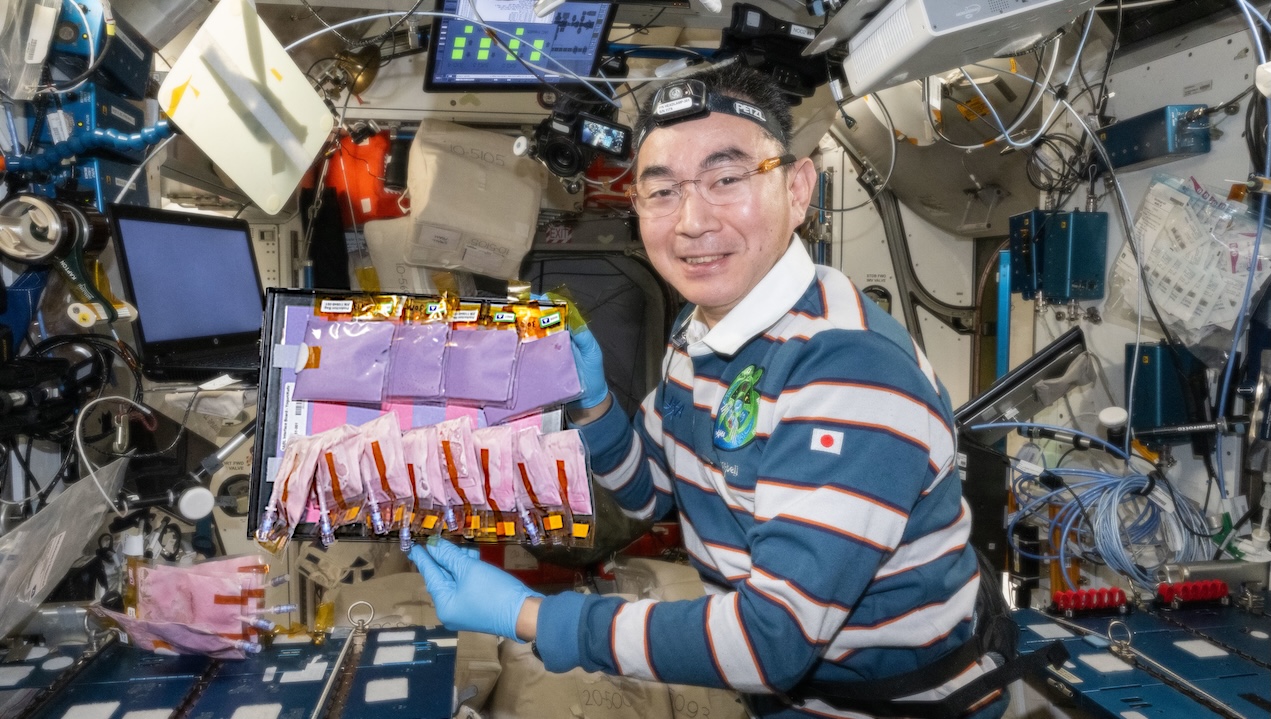
NASA’s latest report, released on November 28, 2025, highlights significant advancements in space life science research. The findings, now available in PubMed, focus on the effects of microgravity on biological systems, offering crucial insights for future space missions. These studies are essential for understanding how living organisms, including humans, adapt to the unique challenges of space environments.
The report delves into various aspects of space biology and medicine, emphasizing the importance of ongoing research aboard the International Space Station (ISS). As humanity prepares for longer missions to destinations such as Mars, understanding the physiological and psychological impacts of microgravity will be vital.
Key Findings from Recent Research
Among the notable discoveries outlined in the report are the effects of microgravity on cellular function and growth. Researchers have observed that certain cellular processes are altered when exposed to the conditions of space. This could have implications not only for astronauts’ health but also for potential biotechnological applications on Earth.
For example, studies have shown that microgravity can influence gene expression in various organisms. Understanding these changes may lead to new insights in fields such as medicine and agriculture. The research collaboration between NASA and various academic institutions has been instrumental in uncovering these findings.
Future Implications for Space Exploration
As NASA continues to push the boundaries of human exploration, the insights gained from these studies will inform the agency’s approach to crewed missions beyond low Earth orbit. Long-term exposure to microgravity poses risks that must be addressed to ensure the safety and well-being of astronauts during extended missions.
With plans for lunar missions and potential manned expeditions to Mars, the research is particularly timely. The findings will aid in developing countermeasures to mitigate health risks associated with prolonged weightlessness, such as muscle atrophy and bone density loss.
In summary, NASA’s latest report on space life science research underscores the importance of understanding the impact of microgravity on living organisms. By continuing to explore these critical areas, NASA aims to pave the way for the next generation of space travel, ensuring that human explorers can thrive in the challenging conditions of outer space.

**New Study Reveals Chilling Effects of Radical Internet Addiction Cure**

Urgent Holiday Shopping Alert: Pirate O’s Gourmet Market Unveils Gift Treasures

Luna Grill Set to Launch New Location in Chula Vista

Defiance Gold Enhanced Options Income ETF Declares $0.16 Dividend

NASA Releases Latest Findings on Space Life Science Research

Samsara Adjusts FY 2026 Earnings Forecast Amid Strong Q4 Performance

Samsara Boosts Q4 2026 Earnings Guidance, Stock Rises

Urgent Update: Your Mesh Wi-Fi Needs Wired Backhaul Now!

Alex Hall Reacts to Tyler Stanaland’s Shocking Elopement

Inventor Achieves Breakthrough with 2 Billion FPS Laser Video

Community Unites for 7th Annual Into the Light Walk for Mental Health

Charlie Sheen’s New Romance: ‘Glowing’ with Younger Partner

Dua Lipa Aces GCSE Spanish, Sparks Super Bowl Buzz with Fans

Curium Group, PeptiDream, and PDRadiopharma Launch Key Cancer Trial

Mother Fights to Reunite with Children After Kidnapping in New Drama

Israel Reopens Rafah Crossing After Hostage Remains Returned

Former Mozilla CMO Launches AI-Driven Cannabis Cocktail Brand Fast

Tyler Technologies Set to Reveal Q3 Earnings on October 22
-
 Science2 months ago
Inventor Achieves Breakthrough with 2 Billion FPS Laser Video
-
 Health2 months ago
Community Unites for 7th Annual Into the Light Walk for Mental Health
-
 Top Stories2 months ago
Charlie Sheen’s New Romance: ‘Glowing’ with Younger Partner
-
 Entertainment2 months ago
Dua Lipa Aces GCSE Spanish, Sparks Super Bowl Buzz with Fans
-
 Health2 months ago
Curium Group, PeptiDream, and PDRadiopharma Launch Key Cancer Trial
-
 Entertainment2 months ago
Mother Fights to Reunite with Children After Kidnapping in New Drama
-
 World2 months ago
Israel Reopens Rafah Crossing After Hostage Remains Returned
-
 Top Stories2 months ago
Former Mozilla CMO Launches AI-Driven Cannabis Cocktail Brand Fast
-
 Business2 months ago
Tyler Technologies Set to Reveal Q3 Earnings on October 22
-

 Health2 months ago
North Carolina’s Biotech Boom: Billions in New Investments
-

 World2 months ago
R&B Icon D’Angelo Dies at 51, Leaving Lasting Legacy
-

 Entertainment2 months ago
Red Sox’s Bregman to Become Free Agent; Tigers Commit to Skubal