
Health
Uncovering the Hidden Impact of Childhood Trauma on Health

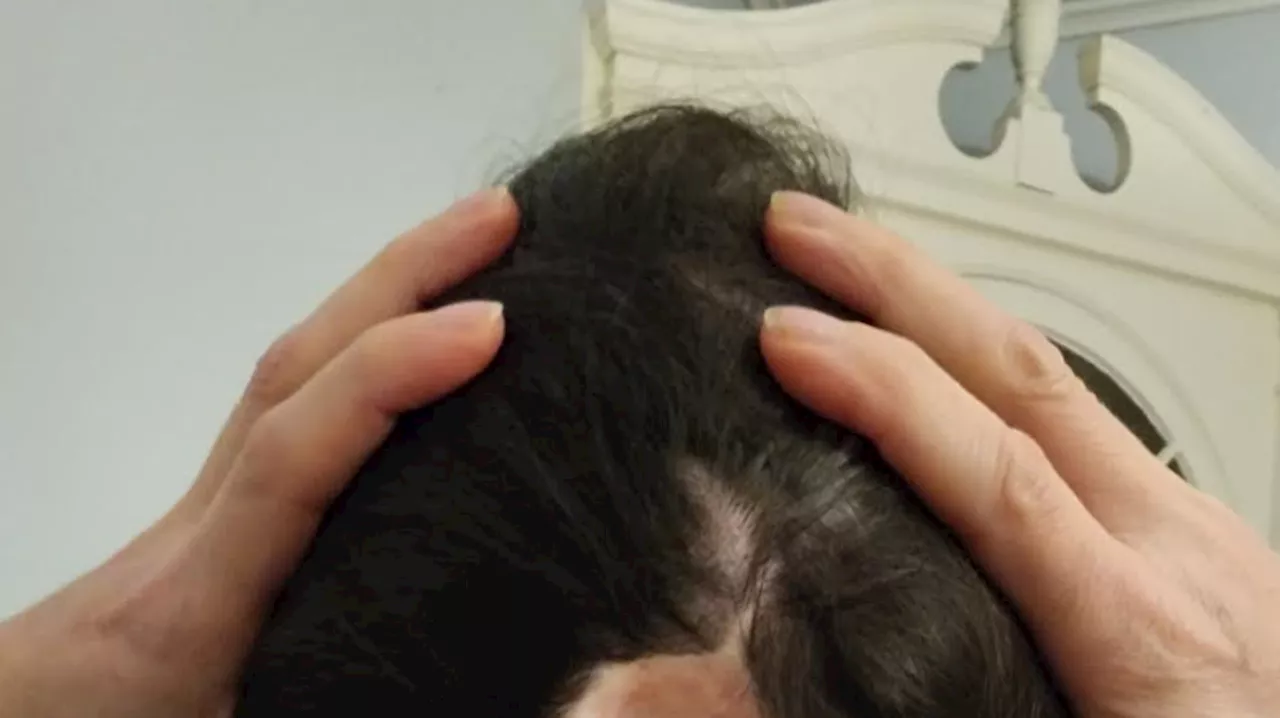
Chronic health issues can sometimes trace their roots back to experiences that occurred long ago. Jennifer Young, a long-term melanoma survivor, recently shared her journey of grappling with chronic neck pain, revealing a potential link to a childhood surgery. This personal account highlights the complex relationship between trauma and physical ailments, shedding light on how past medical procedures can contribute to present-day health challenges.
At 38, Young received a diagnosis of degenerative disc disease in her cervical spine, a condition so severe that her neurologist remarked it resembled the wear and tear typically seen in someone who had spent years operating heavy machinery. As a suburban mother and college professor, she found it difficult to identify specific activities—like carrying her children or lugging her office supplies—that could have led to this condition.
During an acupuncture session, her practitioner, Jade, probed deeper into Young’s medical history. When Young mentioned her previous surgery to remove a malignant tumor from the base of her skull, Jade’s interest piqued. Young recounted that the surgeon had not only excised the tumor but had also taken a part of her occipital bone, a fact she only discovered years later.
This revelation prompted Young to consider the possibility that her longstanding neck pain could be linked to her past. “Is it possible that I have simultaneous issues causing my pain and discomfort?” she asked. Jade responded with a thorough examination, assessing the physical trauma that Young had endured.
As Jade worked along Young’s neck, she articulated a profound insight: “It isn’t until we uncover old trauma like this and begin to treat it that we can truly heal.” These words resonated deeply with Young, prompting reflections not just on her physical state but also on emotional scars that lingered from her youth.
Research indicates that a significant portion of the adult population has faced trauma. In the United States, for instance, approximately 70% of adults—around 235.1 million people—report experiencing some form of traumatic event. While some individuals may not remember these experiences, many actively seek to understand their impact. Yet, the question remains: can this understanding lead to genuine healing?
Despite efforts to process trauma, suppressed emotions can manifest physically, presenting as tension, fatigue, or illness. International body alignment expert and wellness educator, known as The Body Whisperer, emphasizes that “your body expresses what your mind suppresses.” This suggests that unresolved emotional pain can resurface unexpectedly, often triggered by specific situations.
Reflecting on her life as a mother to four children, Young recognized parallels between her past and present. The challenges she faced as a young adult navigating a cancer diagnosis were mirrored in her children’s struggles as they approached adulthood. This realization prompted a rush of memories as Jade performed acupuncture on her neck, leading Young to confront her unacknowledged emotional trauma.
Young’s journey highlights the importance of acknowledging both physical and emotional scars. “It seems that the missing bone from the back of my head was one likely cause of upper body pain for all of these years,” she noted. This newfound awareness underscored the belief that true healing requires acceptance of every aspect of one’s experience, including both visible and invisible scars.
In the months following her acupuncture session, Young began to explore her past more intentionally. She engaged in reflective writing and opened up discussions about her experiences, ultimately submitting a survivor profile to a melanoma community on social media. This included a photograph of her surgical scar, an act that she initially hesitated to share. However, the positive responses she received connected her to others with similar experiences, creating a sense of community and understanding.
Jennifer Young’s story serves as a testament to the enduring impact of trauma and the importance of holistic healing. She emphasizes that healing involves acknowledging every part of oneself, allowing for a richer and more authentic life. Today, she continues to work on a memoir that delves into her journey with love, illness, and the quest to reclaim her identity.
Young’s experience underscores a crucial message: the scars we carry, whether physical or emotional, are integral to our stories. Healing does not come from hiding these scars but from allowing them to be seen and understood.

Urgent: Woman Killed in USPS Truck Collision in Des Plaines

Ocean City Council Approves $150 Million Hotel Amid Urgency

Piedmont Hills Falls 38-10 to Balboa in NorCal Championship

Urgent Alert: 6 PC Upgrade Mistakes That Can Ruin Performance

Conservatives Mock Pete Hegseth’s Trump-Reagan Comparison

Franchise Star Returns: Major Role in “Five Nights at Freddy’s” Sequel!

MD Anderson’s 77A Antibody Offers New Hope Against Cancers

Wyoming Defeats Dartmouth 93-80 in High-Scoring Basketball Clash

Hawaiian Airlines Unveils Fleet Changes Ahead of Alaska Merger

Inventor Achieves Breakthrough with 2 Billion FPS Laser Video

Community Unites for 7th Annual Into the Light Walk for Mental Health

Charlie Sheen’s New Romance: ‘Glowing’ with Younger Partner

Dua Lipa Aces GCSE Spanish, Sparks Super Bowl Buzz with Fans

Curium Group, PeptiDream, and PDRadiopharma Launch Key Cancer Trial

Mother Fights to Reunite with Children After Kidnapping in New Drama

Former Mozilla CMO Launches AI-Driven Cannabis Cocktail Brand Fast

Israel Reopens Rafah Crossing After Hostage Remains Returned

Tyler Technologies Set to Reveal Q3 Earnings on October 22
-
 Science2 months ago
Inventor Achieves Breakthrough with 2 Billion FPS Laser Video
-
 Health2 months ago
Community Unites for 7th Annual Into the Light Walk for Mental Health
-
 Top Stories2 months ago
Charlie Sheen’s New Romance: ‘Glowing’ with Younger Partner
-
 Entertainment2 months ago
Dua Lipa Aces GCSE Spanish, Sparks Super Bowl Buzz with Fans
-
 Health2 months ago
Curium Group, PeptiDream, and PDRadiopharma Launch Key Cancer Trial
-
 Entertainment2 months ago
Mother Fights to Reunite with Children After Kidnapping in New Drama
-
 Top Stories2 months ago
Former Mozilla CMO Launches AI-Driven Cannabis Cocktail Brand Fast
-
 World2 months ago
Israel Reopens Rafah Crossing After Hostage Remains Returned
-
 Business2 months ago
Tyler Technologies Set to Reveal Q3 Earnings on October 22
-

 World2 months ago
R&B Icon D’Angelo Dies at 51, Leaving Lasting Legacy
-

 Health2 months ago
North Carolina’s Biotech Boom: Billions in New Investments
-

 Entertainment2 months ago
Red Sox’s Bregman to Become Free Agent; Tigers Commit to Skubal