
Science
NIH Cuts MOSAIC Funding, Leaving Young Scientists in Crisis

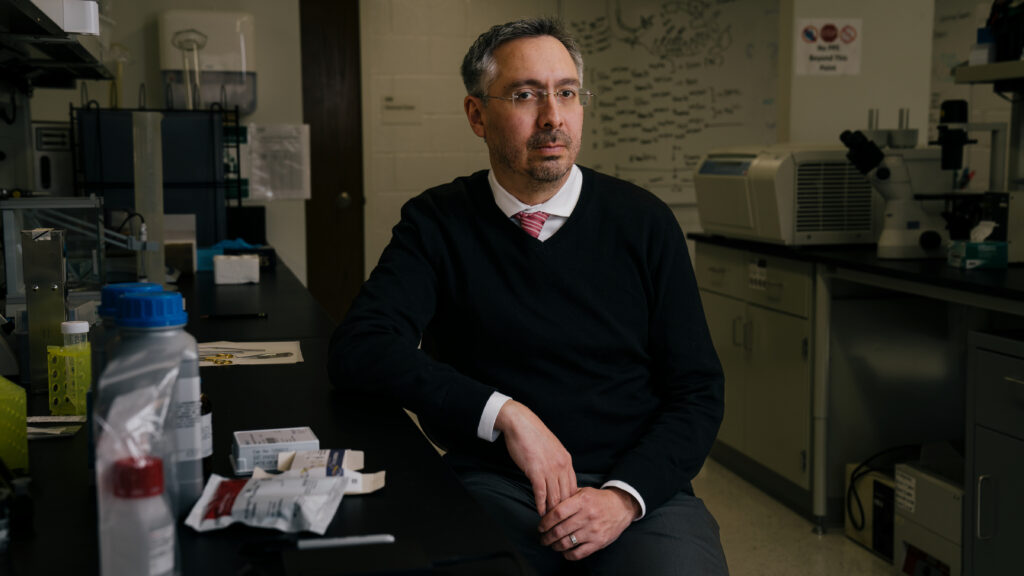
The National Institutes of Health (NIH) has terminated the MOSAIC program, which provided crucial funding to early-career scientists, leaving hundreds of researchers scrambling for resources to establish their own laboratories. The program, officially known as Maximizing Opportunities for Scientific and Academic Independent Careers, aimed to support scholars transitioning from postdoctoral positions to independent faculty roles. This decision, announced in early 2024, is part of a broader shift in NIH funding priorities under the Trump administration, which has been criticized for reducing support for diversity and inclusion initiatives.
Jay Bhattacharya, NIH Director, has emphasized the importance of training future biomedical scientists. The MOSAIC program was designed to address the significant loss of underrepresented individuals in academia during the critical transition phase of their careers. The initiative targeted aspiring researchers from diverse backgrounds, including those from rural areas and low-income families, to help diversify the scientific workforce.
Despite these intentions, the program was seen as inconsistent with President Trump’s directive to eliminate diversity, equity, and inclusion (DEI) initiatives. As a result, over 104 researchers had their MOSAIC funding revoked. While some of these grants have been temporarily restored due to a court order, many others are left in limbo, further complicating their career trajectories.
The impact of this funding cut has been particularly acute for early-career scientists like Luis Rodriguez, who began his lab at George Washington University this year. Rodriguez had anticipated a $160,000 MOSAIC grant to support his research on lung diseases. Now, he faces a diminished capacity to hire staff and purchase essential equipment, which could hinder the progress of his work.
The analysis by STAT shows that NIH awarded 172 fewer transition grants to postdoctoral researchers in the nine months leading up to the government shutdown compared to the previous year—a decline of 10%. Overall, the agency funded 896 fewer early-career grants of all types, marking a concerning trend for the future of scientific research in the United States.
On the subject of the funding cuts, the NIH stated that it is “shifting its portfolio to maximize the impact of federal taxpayer dollars.” They aim to support “gold-standard science rather than politicized DEI ideology.” Yet, many experts warn that the reduction in support for early-career researchers could jeopardize the country’s scientific workforce pipeline.
Tara Schwetz, former NIH deputy director, expressed her concern over how these cuts might affect aspiring scientists. She noted that the early stages of a research career are pivotal for innovation and success. Schwetz recalled the emotional toll of having to terminate grants, particularly those aimed at early-career researchers, stating, “These are early-career people. This might be their one source of financial support.”
The MOSAIC program was a response to two significant challenges: the lack of diversity among NIH-funded researchers and the precarious financial situation of postdoctoral researchers. It provided funding in two phases: the first phase offered up to $125,000 annually for two years of postdoctoral research, while the second phase supported three years as a tenure-track professor, with up to $249,000 per year.
Michael Sesma, who played a key role in establishing the program, recalled his early career experiences as one of the few researchers of color. He emphasized the importance of financial support for marginalized researchers, stating, “We tried to put the money where it would do the most good and help the most people.” The program had been successful in facilitating transitions to faculty positions for many researchers, yet its future remains uncertain.
Rodriguez, now dealing with the fallout of the funding cuts, worries that his ability to produce significant research will be compromised. He has had to scale back his hiring plans and postpone critical equipment purchases. “I definitely worry more and have more stress,” he said, reflecting on the challenges faced by many in his position.
The termination of the MOSAIC program has sparked fears of long-term consequences for researchers like Sarah Vick, a postdoctoral researcher who was also affected by the cuts. Vick’s research on immune responses related to HIV aimed to contribute to vaccine development, but she now finds herself competing for limited faculty positions without the backing of NIH funding.
The cancellation of such programs raises broader concerns about the future of scientific research in the United States. Scholars like Amelia Cuarenta have echoed these sentiments, highlighting the need for equitable support in academia. She stated, “It is disheartening that there were so many of us that were ushered into this program that were eligible for other ones.”
As the scientific community navigates these changes, many early-career researchers remain determined to continue their work despite the challenges. The MOSAIC program’s legacy may serve as a poignant reminder of the importance of diversity in science and the potential consequences of funding decisions on the future of research in the country.

Amazon Slashes Columbia Fleece Price to $30—60% Off NOW!

Audio Revolution: Fiio BTR11 Bluetooth Receiver Transforms Sound

Bitter Cold Hits Northeast; Wind Chills Plunge Below Zero

United Airlines Crash at Midway: 45 Dead, Community Remembers

Dua Lipa Celebrates Tour Finale in Daring Minidress

Warby Parker Analysts Set $24.53 Price Target Amid Mixed Ratings

NIH Cuts MOSAIC Funding, Leaving Young Scientists in Crisis

Brant Point Investment Management Increases Stake in SouthState Bank

Japan’s Prime Minister Takaichi Expands Spending Amid Rate Hike Talks

Inventor Achieves Breakthrough with 2 Billion FPS Laser Video

Community Unites for 7th Annual Into the Light Walk for Mental Health

Charlie Sheen’s New Romance: ‘Glowing’ with Younger Partner

Dua Lipa Aces GCSE Spanish, Sparks Super Bowl Buzz with Fans

Curium Group, PeptiDream, and PDRadiopharma Launch Key Cancer Trial

Former Mozilla CMO Launches AI-Driven Cannabis Cocktail Brand Fast

Mother Fights to Reunite with Children After Kidnapping in New Drama

Israel Reopens Rafah Crossing After Hostage Remains Returned

Tyler Technologies Set to Reveal Q3 Earnings on October 22
-
 Science2 months ago
Inventor Achieves Breakthrough with 2 Billion FPS Laser Video
-
 Health2 months ago
Community Unites for 7th Annual Into the Light Walk for Mental Health
-
 Top Stories2 months ago
Charlie Sheen’s New Romance: ‘Glowing’ with Younger Partner
-
 Entertainment2 months ago
Dua Lipa Aces GCSE Spanish, Sparks Super Bowl Buzz with Fans
-
 Health2 months ago
Curium Group, PeptiDream, and PDRadiopharma Launch Key Cancer Trial
-
 Top Stories2 months ago
Former Mozilla CMO Launches AI-Driven Cannabis Cocktail Brand Fast
-
 Entertainment2 months ago
Mother Fights to Reunite with Children After Kidnapping in New Drama
-
 World2 months ago
Israel Reopens Rafah Crossing After Hostage Remains Returned
-
 Business2 months ago
Tyler Technologies Set to Reveal Q3 Earnings on October 22
-

 World2 months ago
R&B Icon D’Angelo Dies at 51, Leaving Lasting Legacy
-

 Health2 months ago
North Carolina’s Biotech Boom: Billions in New Investments
-

 Health2 months ago
YouTube Launches New Mental Health Tools for Teen Users