
Entertainment
Discover 10 Classic Horror Films That Define the Genre

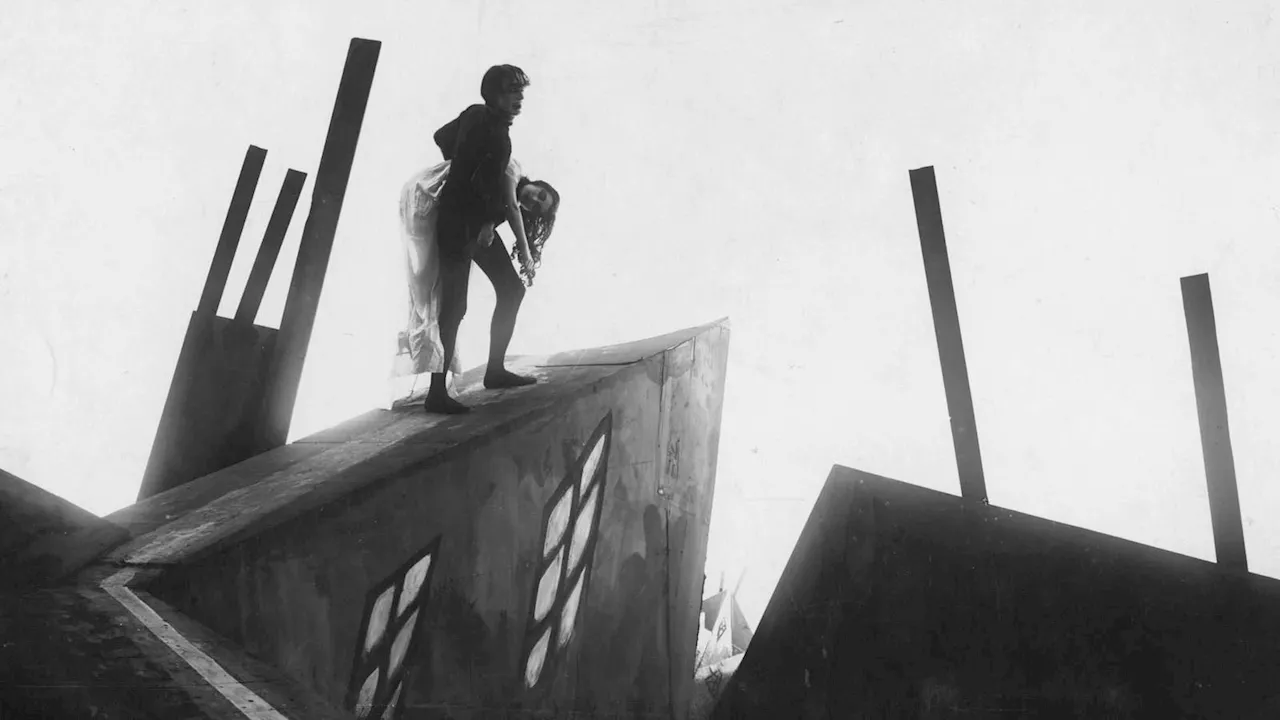
For those who have yet to embrace the horror genre, a selection of classic films serves as an ideal introduction. These movies not only laid the groundwork for contemporary horror but also showcased its artistic, emotional, and entertaining dimensions. Despite often being overlooked by mainstream media, these classics illustrate the genre’s depth and variety. They have the power to transform casual viewers into dedicated fans through their craftsmanship and storytelling.
Psycho: A Masterpiece of Suspense
Psycho, directed by Alfred Hitchcock, is not just a seminal horror film; it is frequently regarded as one of the greatest movies ever made. Instead of relying on overt scares, Hitchcock builds tension through atmosphere and suggestion, creating an inescapable sense of dread. The film’s infamous mid-movie twist redefined narrative conventions, removing its initial protagonist and altering audience expectations dramatically. The haunting score by Bernard Herrmann has become synonymous with the film, further solidifying its status as a cultural landmark.
The Cabinet of Dr. Caligari: Pioneering Horror
Considered the first feature-length horror film, The Cabinet of Dr. Caligari, directed by Robert Wiene, set a high standard for visual storytelling. Its expressionist style, featuring painted sets and distorted perspectives, creates a surreal, nightmarish atmosphere. The film introduced the twist ending to horror narratives, a device still prevalent today. Its complex structure and psychological depth have led to ongoing analysis, revealing new interpretations with each viewing, making it an essential piece of cinematic history.
The Abominable Dr. Phibes: Camp and Creativity
In a different vein, The Abominable Dr. Phibes stands out as a campy horror film that embraces its theatricality. Featuring a captivating performance by Vincent Price, the film blends humor with horror, resulting in a playful yet menacing experience. The retrofuturistic art deco design enhances the film’s visual appeal, transforming each murder sequence into a twisted spectacle. Rather than focusing solely on terror, it celebrates style and creativity, reminding audiences that horror can be both flamboyant and entertaining.
The Invisible Man: Psychological Horror
James Whale’s adaptation of The Invisible Man showcases the balance of innovation and character-driven storytelling in early horror cinema. The film’s groundbreaking special effects, particularly the illusion of invisibility, remain impressive. Claude Rains delivers a nuanced performance, using only his voice for much of the film, portraying a character whose descent into madness is both terrifying and compelling. Whale’s direction emphasizes themes of paranoia and the loss of control, crafting a deeply intimate horror experience.
Creature From the Black Lagoon: Depth Beneath the Surface
Often dismissed as a typical 1950s monster movie, Creature From the Black Lagoon offers much more than expected. Its underwater cinematography captures the Creature with unexpected grace, imbuing the film with a dreamlike quality. The Creature is portrayed with empathy, presenting a tragic figure rather than a mere monster. This emotional depth distinguishes the film from its contemporaries, blending suspense with elements of adventure and wonder.
Hellraiser: The Complexity of Desire
While Hellraiser is frequently remembered for its visceral imagery, the film offers a profound narrative about desire and betrayal. The emotional core centered on characters Frank and Julia drives the horror, with the Cenobites serving as chilling, yet restrained, figures. Doug Bradley’s portrayal of Pinhead introduces an intelligent and authoritative presence, elevating the film’s impact. Its focus on atmosphere and tension demonstrates that effective horror can stem from strong ideas executed with confidence.
Bride of Frankenstein: A Bold Sequel
Bride of Frankenstein is a rare sequel that not only matches but surpasses its predecessor. Directed by James Whale, it combines humor, visual flair, and deep satire, making it a unique cinematic experience. The film’s self-awareness and emotional complexity allow it to resonate with contemporary audiences, while its characters have become enduring icons within LGBTQ culture. Boris Karloff’s performance as the monster adds layers of tragedy and empathy, further enriching the film’s narrative.
The Omen: Redefining Prestige Horror
Released in 1976, The Omen marked a pivotal moment for horror, demonstrating that the genre could achieve prestige status. With a substantial budget and a top-tier cast, the film presented its chilling story with a sense of seriousness that elevated its impact. The narrative unfolds with a sense of inevitable dread, using suggestion and coincidence to craft a deeply disturbing atmosphere. Jerry Goldsmith’s Oscar-winning score amplifies the film’s tension, solidifying its place as a critical and commercial success.
The Exorcist: A Cultural Touchstone
Finally, The Exorcist transcended the horror genre to become a cinematic landmark. Its nomination for Best Picture at the Academy Awards signaled a significant shift in how horror was perceived by audiences and critics alike. The film’s meticulous craftsmanship, from performances to sound design, grounds its supernatural horror in themes of grief and faith. The claustrophobic setting amplifies its impact, making its shocking moments all the more profound. The Exorcist has left an indelible mark on popular culture, proving that expertly crafted horror can achieve both artistic and commercial success.
These ten classic films not only exemplify the best of the horror genre but also showcase its ability to evoke strong emotions, challenge conventions, and inspire future filmmakers. Whether through psychological depth, visual innovation, or compelling narratives, each film has contributed to the enduring legacy of horror cinema.

Funko’s Price Target Increased to $4.00 as Analysts React

Humboldt Celebrates as ‘One Battle After Another’ Claims Best Picture

GSK Faces Backlash Over Asthma Inhaler Scrapping, Children Suffer

Adorable Sandhill Crane Colt Hugs Mom in The Villages

USA Unveils Star-Spangled Jerseys Ahead of March Friendlies

Newport Plans Colorful Lighting for Fourth Street Bridge

Sandia Scientists Honored for Innovative Career Journeys

Urgent: Charles M. Payment Passes Away at 78, Memorial Details Inside

NFL Free Agency: Key Moves and Player Signings in Week One

Researchers Launch $1.25M Project for Real-Time Hazard Monitoring in Hawaiʻi

Send It South Revives Culture and Community at The Momentary

UK Government Borrowing Hits £20.2 Billion in September Surge

Flipkart Republic Day Sale: iPhone 16 Plus Price Slashed by ₹23,900

Adecco SA Secures Mixed Ratings from Analysts Amid Earnings Update

Researchers Achieve Record 15.1 mA/cm² Hydrogen Production Efficiency

Globant Reveals Key Tech Forces Shaping Business in 2026

Inventor Achieves Breakthrough with 2 Billion FPS Laser Video

Dua Lipa Aces GCSE Spanish, Sparks Super Bowl Buzz with Fans
-
 Science8 months ago
Researchers Launch $1.25M Project for Real-Time Hazard Monitoring in Hawaiʻi
-
 Entertainment7 months ago
Send It South Revives Culture and Community at The Momentary
-
 World10 months ago
UK Government Borrowing Hits £20.2 Billion in September Surge
-
 Business6 months ago
Flipkart Republic Day Sale: iPhone 16 Plus Price Slashed by ₹23,900
-
 Sports8 months ago
Adecco SA Secures Mixed Ratings from Analysts Amid Earnings Update
-
 Top Stories5 months ago
Researchers Achieve Record 15.1 mA/cm² Hydrogen Production Efficiency
-
 Business8 months ago
Globant Reveals Key Tech Forces Shaping Business in 2026
-
 Science10 months ago
Inventor Achieves Breakthrough with 2 Billion FPS Laser Video
-
 Entertainment10 months ago
Dua Lipa Aces GCSE Spanish, Sparks Super Bowl Buzz with Fans
-

 Top Stories10 months ago
Charlie Sheen’s New Romance: ‘Glowing’ with Younger Partner
-

 Top Stories8 months ago
JSerra Names Hardy Nickerson as First Black Football Coach
-

 Health10 months ago
Community Unites for 7th Annual Into the Light Walk for Mental Health