
Science
Trump’s Unilateral Blockade of Venezuela Raises Constitutional Concerns

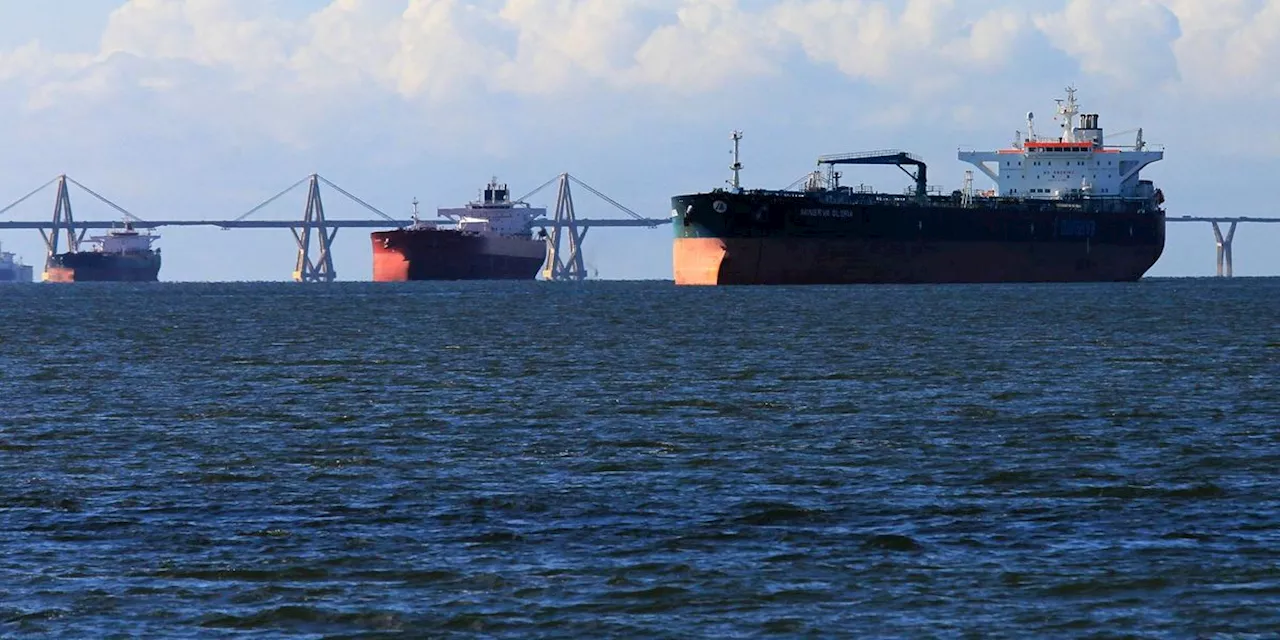
On December 16, 2025, former President Donald Trump announced a “total and complete blockade” of Venezuelan oil tankers, marking a significant escalation in U.S. foreign policy. This proclamation, shared through his personal media platform, claimed that Venezuela was “completely surrounded by the largest Armada ever assembled in the History of South America.” Trump stated that the blockade would continue until all Venezuelan “oil, land, and other assets” were returned to the United States. This sweeping declaration raises serious constitutional questions regarding the limits of executive authority.
The blockade, which has been implemented without congressional approval, poses a direct challenge to the War Powers Resolution of 1973. This legislation was designed to prevent unilateral military actions by the President without legislative consent, particularly actions that could lead to armed conflict. While previous administrations have relied on sanctions and diplomatic pressure to address foreign disputes, Trump’s approach substitutes legal processes with military coercion.
The Constitutional Implications of the Blockade
Under Article I of the U.S. Constitution, the power to declare war rests solely with Congress. Although Article II grants the President the role of Commander-in-Chief, it does not allow for sustained military operations without legislative authorization. The blockade constitutes a use of force under both domestic and international law, as it involves the assertion of control over international waters and the disruption of maritime commerce.
According to legal experts, the blockade is not just a foreign policy decision; it represents a constitutional violation. The indefinite nature of the blockade, coupled with Trump’s demands for the return of Venezuelan assets, pushes the boundaries of executive power. This action not only circumvents established legal norms but also disrupts historical precedents for resolving disputes through negotiation and arbitration.
Challenging the Justifications for the Blockade
Trump’s rationale that Venezuela “stole” American oil lacks historical and legal support. Venezuela’s oil industry was nationalized in 1976, leading to the establishment of the state-owned company Petróleos de Venezuela, S.A.. American companies, including ExxonMobil and ConocoPhillips, operated under negotiated agreements until the Venezuelan government asserted control in the early 2000s. These decisions were within Venezuela’s rights under international law and should have been addressed through arbitration rather than military force.
Historically, the U.S. has engaged in diplomatic avenues, sanctions, and licensing restrictions to address similar resource disputes in Latin America. The shift to a military blockade represents an unprecedented escalation, fundamentally altering the norms of international relations.
The distinction between sanctions and military action is crucial. Sanctions, as enforced by the Office of Foreign Assets Control, regulate economic conduct but do not permit armed interventions against foreign-flagged vessels on the high seas. The systematic implementation of a naval blockade signifies a dangerous escalation that threatens not only Venezuelan sovereignty but also the principles of international law.
The Path Forward: Restoring Legal Norms
There remains an opportunity for the U.S. to reverse its course. Congress must reassert its constitutional authority, potentially through resolutions like House Concurrent Resolution 64, to enforce the War Powers Resolution and prohibit unauthorized military actions. The executive branch should return to lawful enforcement mechanisms, relying on civil forfeiture and international arbitration instead of coercive tactics.
Diplomatic engagement needs to be prioritized as the primary approach to resolving resource disputes with Venezuela. Addressing these issues through negotiation and international claims processes is essential for restoring respect for legal frameworks and maintaining international order.
The blockade, viewed by some as a demonstration of strength, ultimately threatens the foundational principles of constitutional governance in the United States. If the executive branch can impose a blockade without legislative approval, it risks undermining the separation of powers and eroding the rule of law. The balance of power must be maintained, and the public must demand adherence to constitutional boundaries to safeguard against authoritarianism.

Urgent: High School Sports Scores and Matchups for Dec. 20

Powerball Jackpot Hits $1.5 Billion: Winning Numbers Tonight!

Epstein Survivor Slams Trump Admin for ‘Indefensible’ Error

Draymond Green Ejected in Urgent Clash Against Suns

Packers QB Jordan Love Injured After Head Hit, Evaluated for Concussion

Developers Shift to Podman for Enhanced Container Management

Ohio Doctor Charged with Forcing Abortion Pill on Girlfriend

UPS Essential for Your Home Server: Protect Data Now!

U.S. Seizes Oil Tanker Near Venezuela in Major Escalation

Inventor Achieves Breakthrough with 2 Billion FPS Laser Video

Charlie Sheen’s New Romance: ‘Glowing’ with Younger Partner

Community Unites for 7th Annual Into the Light Walk for Mental Health

Dua Lipa Aces GCSE Spanish, Sparks Super Bowl Buzz with Fans

Curium Group, PeptiDream, and PDRadiopharma Launch Key Cancer Trial

Former Mozilla CMO Launches AI-Driven Cannabis Cocktail Brand Fast

Mother Fights to Reunite with Children After Kidnapping in New Drama

R&B Icon D’Angelo Dies at 51, Leaving Lasting Legacy

Israel Reopens Rafah Crossing After Hostage Remains Returned
-
 Science2 months ago
Inventor Achieves Breakthrough with 2 Billion FPS Laser Video
-
 Top Stories2 months ago
Charlie Sheen’s New Romance: ‘Glowing’ with Younger Partner
-
 Health2 months ago
Community Unites for 7th Annual Into the Light Walk for Mental Health
-
 Entertainment2 months ago
Dua Lipa Aces GCSE Spanish, Sparks Super Bowl Buzz with Fans
-
 Health2 months ago
Curium Group, PeptiDream, and PDRadiopharma Launch Key Cancer Trial
-
 Top Stories2 months ago
Former Mozilla CMO Launches AI-Driven Cannabis Cocktail Brand Fast
-
 Entertainment2 months ago
Mother Fights to Reunite with Children After Kidnapping in New Drama
-
 World2 months ago
R&B Icon D’Angelo Dies at 51, Leaving Lasting Legacy
-
 World2 months ago
Israel Reopens Rafah Crossing After Hostage Remains Returned
-

 Business2 months ago
Tyler Technologies Set to Reveal Q3 Earnings on October 22
-

 Health2 months ago
YouTube Launches New Mental Health Tools for Teen Users
-

 Entertainment2 months ago
Red Sox’s Bregman to Become Free Agent; Tigers Commit to Skubal