
Top Stories
Tesla’s Robotaxi Fleet Surges to 1,655 in California Amid Demand

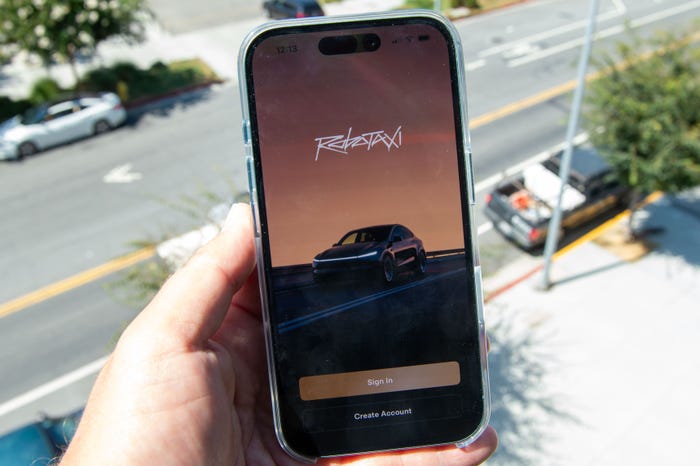
UPDATE: Tesla’s ambitious “Robotaxi” program in California is surging, with the company registering a remarkable 1,655 vehicles in just a few months. This rapid expansion comes as the California Public Utilities Commission (CPUC) confirmed the latest figures, showing a significant increase from just 28 cars and 128 drivers at the service’s launch in August 2023.
The urgency surrounding Tesla’s growth is palpable as demand for ride-hailing services skyrockets. Tesla’s spokesperson revealed that the number of drivers has also risen to 798, although it’s important to note that these figures reflect approved registrations, not the actual fleet in operation. As the program evolves, the actual number could be even higher, given that Tesla is not required to update the state on new driver registrations.
In comparison, Waymo, the Alphabet-backed autonomous vehicle company, operates over 1,000 vehicles within its autonomous fleet in the Bay Area, while holding a total of 1,955 vehicles registered in California. Meanwhile, Zoox has 229 registered vehicles and has begun operations in San Francisco. These competing firms are all vying for market share in an increasingly crowded landscape.
Despite this rapid growth, Tesla’s Robotaxi program is not officially classified as an autonomous vehicle service under California’s stringent regulations. The company has opted not to apply for a driverless testing permit, limiting its operations to a ride-hailing service utilizing its Full Self-Driving (FSD) technology. This limitation means that while users can hail rides, they will not have the benefit of fully autonomous rides as seen with Waymo and Zoox.
Since launching the Robotaxi app to the public in September, users have expressed frustration with long wait times. Reports indicate that some riders have faced waits of up to 40 minutes. Business Insider’s Alistair Barr noted that he has occasionally struggled to secure a ride during peak times due to limited vehicle availability, although he mentioned wait times drop to around 10 minutes during off-peak hours.
To tackle these challenges, Tesla is ramping up its staffing efforts by offering hourly employees additional pay to operate the Robotaxi network. This push is crucial as the company strives to meet growing demand while enhancing service efficiency.
In a broader context, Tesla’s efforts in California reflect a growing trend in the automotive industry toward ride-hailing and autonomous vehicle services. Elon Musk has also indicated plans for a fleet of around 500 vehicles in Austin, Texas, by the end of the year, although specifics on vehicle numbers remain unclear as Tesla is not mandated to report this information in the state.
As Tesla continues to expand its Robotaxi program, the implications for urban transportation are significant, potentially reshaping how people navigate city environments. With the continuing evolution of this service, stakeholders and users alike are left wondering how swiftly Tesla can scale its operations to meet rising demands.
Watch this space for the latest developments on Tesla’s Robotaxi service as it navigates the challenges and opportunities ahead.

Griffith Man Faces Decades in Prison After Violent Burglary

U.S. Capital Wealth Advisors Increases Exxon Mobil Stake by 3.3%

NASA Enhances Robot Navigation in Space Using Digital Twins

Oregon Ducks Dominate James Madison in College Football Playoff Opener

Delta and United Reduce Boeing 757-300 Operations This December

WF Holding Limited Shares Plunge 7.9% Amid Analyst Downgrade

Shortest Day of the Year: December 21 Brings Hope for Light

Trump Voters in Michigan Revolt as Prices Surge, Food Pantries Strain

Hayward’s Roads Surge to New Heights: PCI Score Hits 78

Inventor Achieves Breakthrough with 2 Billion FPS Laser Video

Community Unites for 7th Annual Into the Light Walk for Mental Health

Charlie Sheen’s New Romance: ‘Glowing’ with Younger Partner

Dua Lipa Aces GCSE Spanish, Sparks Super Bowl Buzz with Fans

Curium Group, PeptiDream, and PDRadiopharma Launch Key Cancer Trial

Former Mozilla CMO Launches AI-Driven Cannabis Cocktail Brand Fast

Mother Fights to Reunite with Children After Kidnapping in New Drama

R&B Icon D’Angelo Dies at 51, Leaving Lasting Legacy

Israel Reopens Rafah Crossing After Hostage Remains Returned
-
 Science2 months ago
Inventor Achieves Breakthrough with 2 Billion FPS Laser Video
-
 Health2 months ago
Community Unites for 7th Annual Into the Light Walk for Mental Health
-
 Top Stories2 months ago
Charlie Sheen’s New Romance: ‘Glowing’ with Younger Partner
-
 Entertainment2 months ago
Dua Lipa Aces GCSE Spanish, Sparks Super Bowl Buzz with Fans
-
 Health2 months ago
Curium Group, PeptiDream, and PDRadiopharma Launch Key Cancer Trial
-
 Top Stories2 months ago
Former Mozilla CMO Launches AI-Driven Cannabis Cocktail Brand Fast
-
 Entertainment2 months ago
Mother Fights to Reunite with Children After Kidnapping in New Drama
-
 World2 months ago
R&B Icon D’Angelo Dies at 51, Leaving Lasting Legacy
-
 World2 months ago
Israel Reopens Rafah Crossing After Hostage Remains Returned
-

 Business2 months ago
Tyler Technologies Set to Reveal Q3 Earnings on October 22
-

 Health2 months ago
YouTube Launches New Mental Health Tools for Teen Users
-

 Entertainment2 months ago
Red Sox’s Bregman to Become Free Agent; Tigers Commit to Skubal