
Science
Max Space Plans Ambitious Launch of Single-Module Space Station

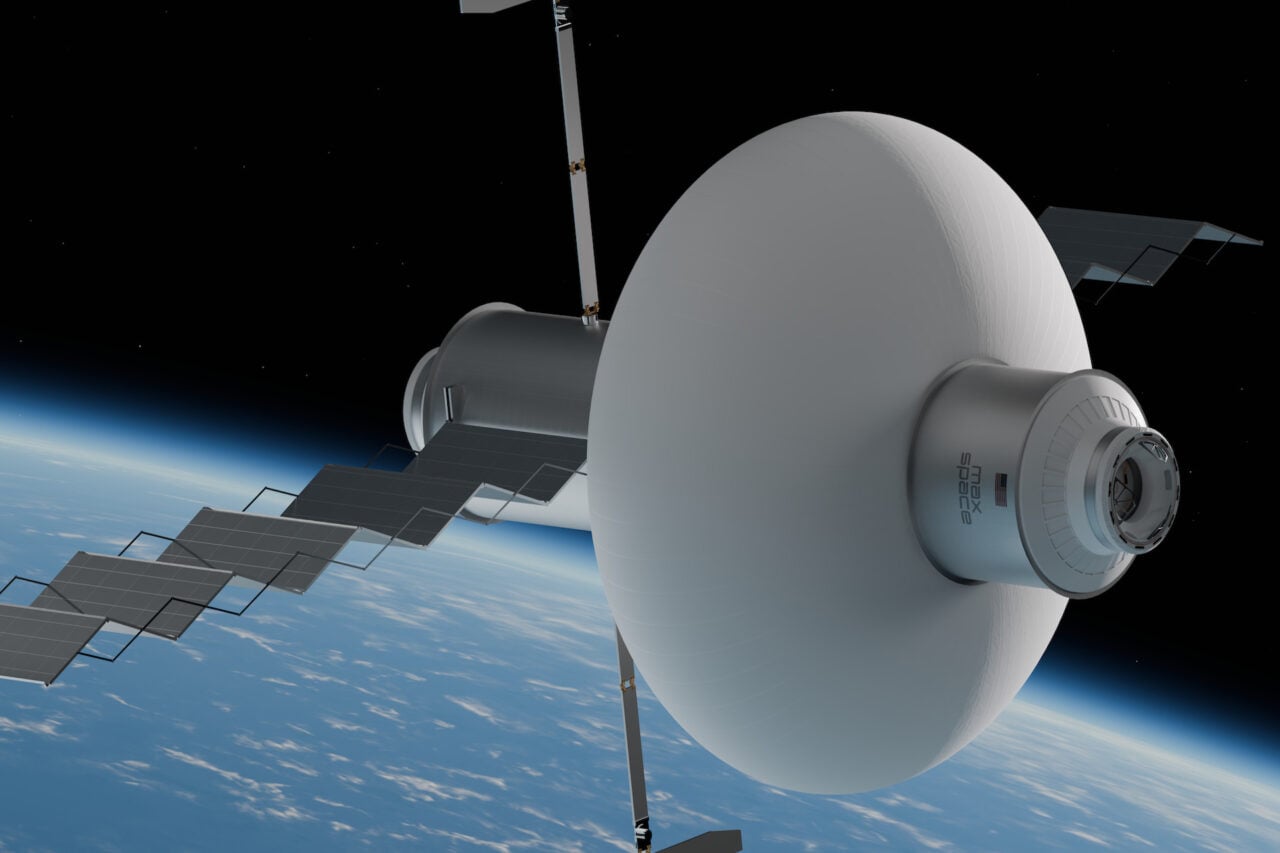
A Florida startup, Max Space, has unveiled plans to launch a prototype of its commercial space station, named Thunderbird, by 2027. This innovative project aims to test a unique expandable habitat technology that could significantly streamline the process of constructing orbital laboratories. Instead of requiring multiple missions to assemble various modules, the entire Thunderbird station can be launched in one go aboard a SpaceX Falcon 9 rocket.
The prototype, known as Mission Evolution, is scheduled to be part of a SpaceX ride-share mission in early 2027. This mission will serve to evaluate the space station’s orbital debris protection and its environmental control and life support systems, marking a significant step in commercial space exploration.
Revolutionizing Space Habitation
Founded in 2023, Max Space initially focused on providing its expandable module technology to assist other companies in building their own space stations. However, the company’s direction shifted following NASA’s updated strategy for its Commercial Low Earth Orbit Destinations (CLD) program. With the International Space Station expected to be retired by 2030, NASA is now prioritizing commercial alternatives and is offering smaller, more affordable multiple-funded Space Act Agreements for the development and demonstration of commercial space stations.
Saleem Miyan, Chief Executive of Max Space, highlighted this change in approach, stating, “It was pretty clear that was an opportunity for us to put a proposal forward to show how these modules can really be used for human habitation.”
The Thunderbird station distinguishes itself from other commercial habitats through its expandable structure, which is different from traditional inflatable modules. The design incorporates soft elements for the interior, allowing for an adjustable layout that can be reconfigured by the crew. This flexibility enables astronauts to modify living spaces for various purposes, such as conducting experiments in low Earth orbit.
Future Plans and Applications
Thunderbird is designed to accommodate four astronauts at all times and offers a morphic interior structure that can be adapted for different activities on board. The commercial space station has multiple potential applications, including research and orbital manufacturing of pharmaceuticals and other materials.
Max Space aims to have Thunderbird operational in orbit by 2029, with further ambitions to configure the station for use as a habitat for astronauts traveling to the Moon and Mars. This endeavor marks a significant advancement in the development of commercial space infrastructure, potentially paving the way for new opportunities in space exploration and habitation.
As the landscape of space travel continues to evolve, initiatives like Max Space’s Thunderbird provide a glimpse into the future of human presence beyond Earth, emphasizing the importance of innovation in the field of aerospace technology.

Barnes & Noble to Launch 60 New Stores Across the U.S. in 2026

Social Media Sparks Rapture Predictions for September 2023

How Renaissance Amputation Techniques Shaped Modern Medicine

BYU’s 1984 Holiday Bowl Triumph Redefined College Football

Israel Approves 19 New Settlements in West Bank, Raising Tensions

Invesco Dorsey Wright Technology ETF Surges Past 50-Day Average

Munetaka Murakami Signs Urgent $34M Deal with Chicago White Sox

Urgent Update: Jet-Setting Superstar Spotted at LAX Ahead of Major Event

56-Year-Old Woman Moves to France, Finds New Life Amid Challenges

Inventor Achieves Breakthrough with 2 Billion FPS Laser Video

Charlie Sheen’s New Romance: ‘Glowing’ with Younger Partner

Community Unites for 7th Annual Into the Light Walk for Mental Health

Dua Lipa Aces GCSE Spanish, Sparks Super Bowl Buzz with Fans

Curium Group, PeptiDream, and PDRadiopharma Launch Key Cancer Trial

Former Mozilla CMO Launches AI-Driven Cannabis Cocktail Brand Fast

Mother Fights to Reunite with Children After Kidnapping in New Drama

R&B Icon D’Angelo Dies at 51, Leaving Lasting Legacy

Israel Reopens Rafah Crossing After Hostage Remains Returned
-
 Science2 months ago
Inventor Achieves Breakthrough with 2 Billion FPS Laser Video
-
 Top Stories2 months ago
Charlie Sheen’s New Romance: ‘Glowing’ with Younger Partner
-
 Health2 months ago
Community Unites for 7th Annual Into the Light Walk for Mental Health
-
 Entertainment2 months ago
Dua Lipa Aces GCSE Spanish, Sparks Super Bowl Buzz with Fans
-
 Health2 months ago
Curium Group, PeptiDream, and PDRadiopharma Launch Key Cancer Trial
-
 Top Stories2 months ago
Former Mozilla CMO Launches AI-Driven Cannabis Cocktail Brand Fast
-
 Entertainment2 months ago
Mother Fights to Reunite with Children After Kidnapping in New Drama
-
 World2 months ago
R&B Icon D’Angelo Dies at 51, Leaving Lasting Legacy
-
 World2 months ago
Israel Reopens Rafah Crossing After Hostage Remains Returned
-

 Business2 months ago
Tyler Technologies Set to Reveal Q3 Earnings on October 22
-

 Health2 months ago
YouTube Launches New Mental Health Tools for Teen Users
-

 Entertainment2 months ago
Red Sox’s Bregman to Become Free Agent; Tigers Commit to Skubal