
Health
Saudi FDA Implements Innovative Strategies for Food Safety

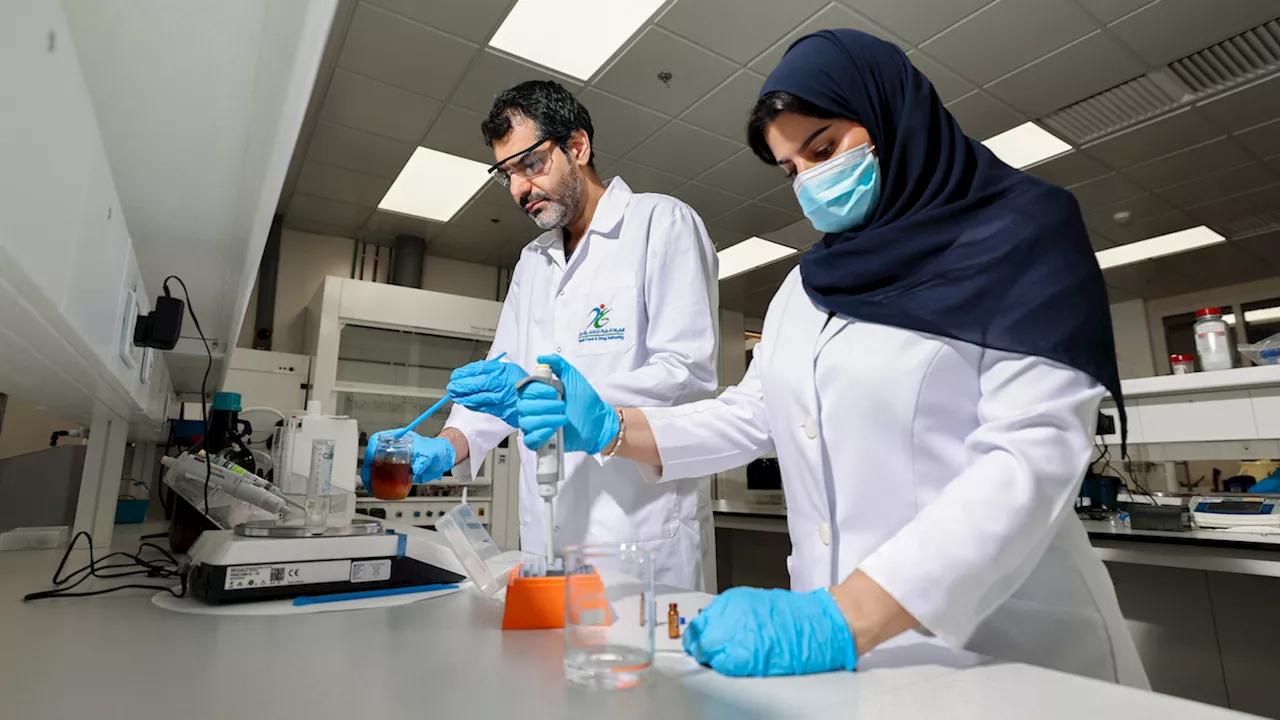
The Saudi Food & Drug Authority (SFDA) is taking significant strides in enhancing food safety standards both regionally and globally. This initiative aligns with Saudi Arabia’s Vision 2030 program, which aims to transform the nation into a hub of cultural and scientific advancement. By leveraging advanced technologies, including artificial intelligence, the SFDA is positioning itself as a leader in food safety and public health.
His Excellency Dr. Hisham Saad Aljadhey, CEO of the SFDA, emphasized the authority’s commitment to evidence-based regulations. “As an evidence-based authority, all our regulations are grounded in scientific data, which informs our decision-making processes,” he stated. He further noted that the incorporation of emerging technologies fosters a collaborative environment that promotes research and innovation.
One of the SFDA’s primary focuses is the prevention of food fraud, which poses risks to consumer safety and the integrity of the food supply chain. This initiative began with traditional chemical analysis to assess food quality. In 2021, the SFDA established specialized laboratories that utilize a multimethod approach to enhance the detection of food authenticity. This approach allows scientists to more effectively evaluate the integrity of various products, including honey, milk, olive oil, coffee, and tea.
Honey holds particular significance in Saudi culture and health, with individuals consuming an average of 320 grams per year—double the global rate. The SFDA has developed unique fingerprints for Saudi honey by collecting samples from verified sources. This process combines traditional analysis with chemical and physical data, such as metabolite profiles and pH levels, creating a robust reference to safeguard domestic honey against fraudulent practices.
The multimethod approach extends beyond honey. The SFDA is now employing advanced techniques such as Fourier-transform infrared spectroscopy, nuclear magnetic resonance, and isotope ratio analysis to enhance the detection of adulteration in staple foods like milk and olive oil. By integrating such sophisticated methods, the authority aims to ensure greater precision and reliability in food safety measures.
The SFDA’s impact is not confined to Saudi Arabia. After optimizing its internal processes, the authority is sharing its multimethod approach with neighboring countries and beyond. This effort is expected to standardize food-testing methods and improve trade operations throughout the Middle East, Africa, and Europe.
Artificial intelligence plays a crucial role in these advancements. The SFDA is developing a comprehensive data set to support its new AI laboratory, which will streamline operations and enhance decision-making regarding food safety. The introduction of the Digital Employee tool, driven by AI, automates the analysis of large data volumes, enabling swift responses to potential threats.
These initiatives represent a vital aspect of Saudi Arabia’s Vision 2030 program, reflecting the country’s commitment to becoming a global leader in science and technology. The SFDA’s innovative strategies are not only improving food safety standards domestically but are also setting a benchmark for international practices.

Winter Weather Advisory Issued for South Central PA: Up to 3 Inches of Snow

ECB’s de Guindos Confirms Current Interest Rates Will Remain Steady

Fatal Motorcycle Crash Closes I-80 in Berkeley, Major Delays Expected

University of Arizona Identifies Immune Cell Linked to Fibrosis

Alex Singleton Shines in Comeback Game After Cancer Diagnosis

Four Arrested in Australia for Sharing Disturbing Child Abuse Material

Ethereum Could Be on the Brink of a Supercycle Despite Price Dip

George Clooney Reflects on Losing Iconic Role to Brad Pitt

Experts Reframe Lung Cancer as a Treatable Condition, Not a Stigma

Inventor Achieves Breakthrough with 2 Billion FPS Laser Video

Community Unites for 7th Annual Into the Light Walk for Mental Health

Charlie Sheen’s New Romance: ‘Glowing’ with Younger Partner

Dua Lipa Aces GCSE Spanish, Sparks Super Bowl Buzz with Fans

Mother Fights to Reunite with Children After Kidnapping in New Drama

Former Mozilla CMO Launches AI-Driven Cannabis Cocktail Brand Fast

Curium Group, PeptiDream, and PDRadiopharma Launch Key Cancer Trial

Tyler Technologies Set to Reveal Q3 Earnings on October 22

Israel Reopens Rafah Crossing After Hostage Remains Returned
-
 Science1 month ago
Inventor Achieves Breakthrough with 2 Billion FPS Laser Video
-
 Health2 months ago
Community Unites for 7th Annual Into the Light Walk for Mental Health
-
 Top Stories2 months ago
Charlie Sheen’s New Romance: ‘Glowing’ with Younger Partner
-
 Entertainment2 months ago
Dua Lipa Aces GCSE Spanish, Sparks Super Bowl Buzz with Fans
-
 Entertainment2 months ago
Mother Fights to Reunite with Children After Kidnapping in New Drama
-
 Top Stories1 month ago
Former Mozilla CMO Launches AI-Driven Cannabis Cocktail Brand Fast
-
 Health2 months ago
Curium Group, PeptiDream, and PDRadiopharma Launch Key Cancer Trial
-
 Business2 months ago
Tyler Technologies Set to Reveal Q3 Earnings on October 22
-
 World2 months ago
Israel Reopens Rafah Crossing After Hostage Remains Returned
-

 World2 months ago
R&B Icon D’Angelo Dies at 51, Leaving Lasting Legacy
-

 Health2 months ago
North Carolina’s Biotech Boom: Billions in New Investments
-

 Entertainment2 months ago
Red Sox’s Bregman to Become Free Agent; Tigers Commit to Skubal