
World
Ukraine Faces Tough Choices Under U.S. Peace Proposal Deadline

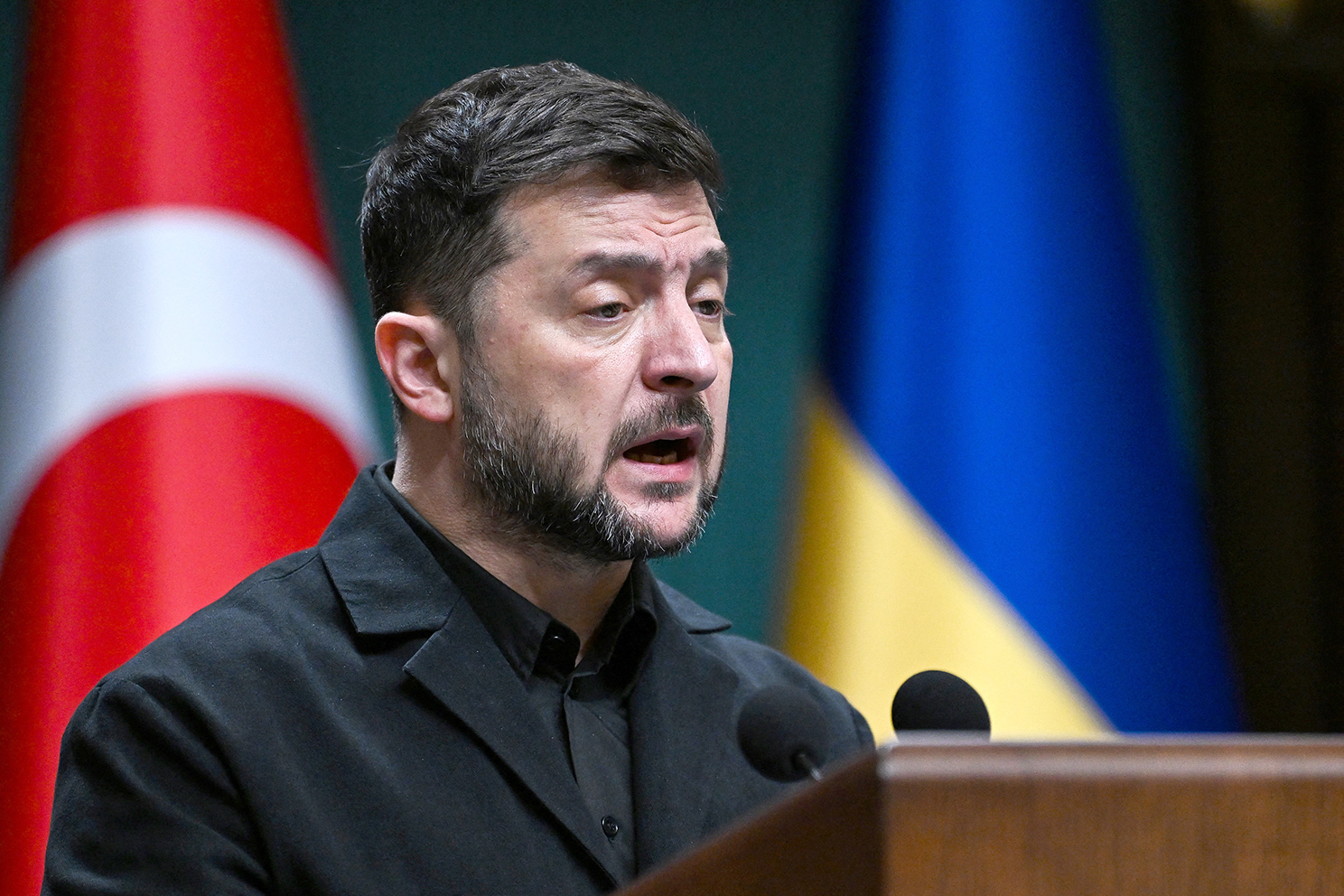
Ukraine is at a critical juncture in its ongoing conflict with Russia, as President Volodymyr Zelenskyy faces a U.S. ultimatum regarding a proposed 28-point peace plan. This plan, announced by U.S. President Donald Trump, demands a response from Ukraine by March 15, 2024, and includes several concessions to Russia that have raised significant concerns among Ukrainian leadership.
The U.S. proposal incorporates many of Russian President Vladimir Putin’s longstanding demands, such as territorial concessions from Ukraine and limitations on its military size. Additionally, it appears to obstruct Ukraine’s aspirations for NATO membership, a point that Zelenskyy has consistently rejected. In a public address, Zelenskyy emphasized the gravity of the situation, stating, “Ukraine may now face a very difficult choice, either losing its dignity or the risk of losing a key partner.”
In discussions with U.S. officials, including Vice President JD Vance and Army Secretary Dan Driscoll, Zelenskyy acknowledged the complexity of the negotiations. He described the moment as “truly one of the most difficult moments in our history,” while expressing readiness to engage in constructive dialogue.
Trump, in a radio interview, indicated that while the deadline for a response is set for Thursday, there may be flexibility if progress is evident. He stated, “If things are working well, you tend to extend the deadlines.” The U.S. leader seems to be balancing a hardline approach with a willingness to negotiate further.
European leaders have also engaged in discussions with Zelenskyy, reaffirming their unwavering support. German Chancellor Friedrich Merz, French President Emmanuel Macron, and British Prime Minister Keir Starmer have all assured Zelenskyy of their commitment to Ukraine’s sovereignty. They welcomed the U.S. efforts to broker peace but stressed that any agreement must prioritize Ukraine’s security and territorial integrity.
Starmer highlighted the fundamental principle that Ukraine must have the right to determine its future independently. The European response to the U.S. plan has been carefully measured, with leaders expressing concern about the implications of potential concessions to Russia.
The ongoing conflict poses an existential threat to Europe, underscoring the importance of a properly negotiated resolution. Kaja Kallas, the EU’s foreign policy chief, articulated this perspective, stating, “Russia’s war against Ukraine is an existential threat to Europe. We all want this war to end. But how it ends matters.” She emphasized that any concessions to Russia would be unacceptable.
Ukrainian officials are currently reviewing the U.S. proposals, with Zelenskyy indicating he anticipates further discussions with Trump in the coming days. Meanwhile, the Kremlin has responded cautiously, with spokesman Dmitry Peskov noting that no official proposal has yet been received from the U.S.
As diplomatic efforts continue, the situation remains tense. In the background, Russia’s military actions persist, with reports indicating a recent attack in Zaporizhzhia that resulted in five fatalities and multiple injuries. This ongoing violence complicates the already challenging negotiations and adds urgency to the quest for peace.
Zelenskyy has called for unity among Ukrainians, urging them to avoid internal conflict, particularly in light of recent corruption scandals that have drawn criticism of his government. He described the upcoming peace talks as “very difficult,” but expressed hope for a resolution that respects Ukraine’s sovereignty and security.
The coming days are critical for Ukraine as it navigates the complexities of international diplomacy while managing domestic challenges. The choices made in response to the U.S. peace proposal will have profound implications for the nation’s future and its standing on the global stage.

Federal Appeals Court Disqualifies Alina Habba as U.S. Attorney

Upgrade Your Home Lab NOW: All-SSD NAS Revolutionizes Storage

Carolina Herrera Unveils Vibrant Resort 2026 Collection in New York

Bra Fitting in Melbourne Sparks Reflections on Connection

Celebrities Showcase Cartier’s Panthère: A Timeless Fashion Icon

Virtus Advisers Acquires Boston Scientific Shares Worth $157,000

Octave Bioscience Partners with Quest Diagnostics to Enhance MS Testing Access

Sepio Capital Reduces Stake in Costco by 6.8% Amid Investor Activity

Jim Chanos Warns Nvidia’s Debt Could Trigger Defaults Now

Inventor Achieves Breakthrough with 2 Billion FPS Laser Video

Community Unites for 7th Annual Into the Light Walk for Mental Health

Charlie Sheen’s New Romance: ‘Glowing’ with Younger Partner

Dua Lipa Aces GCSE Spanish, Sparks Super Bowl Buzz with Fans

Mother Fights to Reunite with Children After Kidnapping in New Drama

Former Mozilla CMO Launches AI-Driven Cannabis Cocktail Brand Fast

Tyler Technologies Set to Reveal Q3 Earnings on October 22

Curium Group, PeptiDream, and PDRadiopharma Launch Key Cancer Trial

Israel Reopens Rafah Crossing After Hostage Remains Returned
-
 Science1 month ago
Inventor Achieves Breakthrough with 2 Billion FPS Laser Video
-
 Health2 months ago
Community Unites for 7th Annual Into the Light Walk for Mental Health
-
 Top Stories2 months ago
Charlie Sheen’s New Romance: ‘Glowing’ with Younger Partner
-
 Entertainment2 months ago
Dua Lipa Aces GCSE Spanish, Sparks Super Bowl Buzz with Fans
-
 Entertainment2 months ago
Mother Fights to Reunite with Children After Kidnapping in New Drama
-
 Top Stories1 month ago
Former Mozilla CMO Launches AI-Driven Cannabis Cocktail Brand Fast
-
 Business2 months ago
Tyler Technologies Set to Reveal Q3 Earnings on October 22
-
 Health2 months ago
Curium Group, PeptiDream, and PDRadiopharma Launch Key Cancer Trial
-
 World2 months ago
Israel Reopens Rafah Crossing After Hostage Remains Returned
-

 World2 months ago
R&B Icon D’Angelo Dies at 51, Leaving Lasting Legacy
-

 Health2 months ago
North Carolina’s Biotech Boom: Billions in New Investments
-
 Entertainment2 months ago
Red Sox’s Bregman to Become Free Agent; Tigers Commit to Skubal