
Science
Emerging Technologies Revolutionize the Future of Surgery

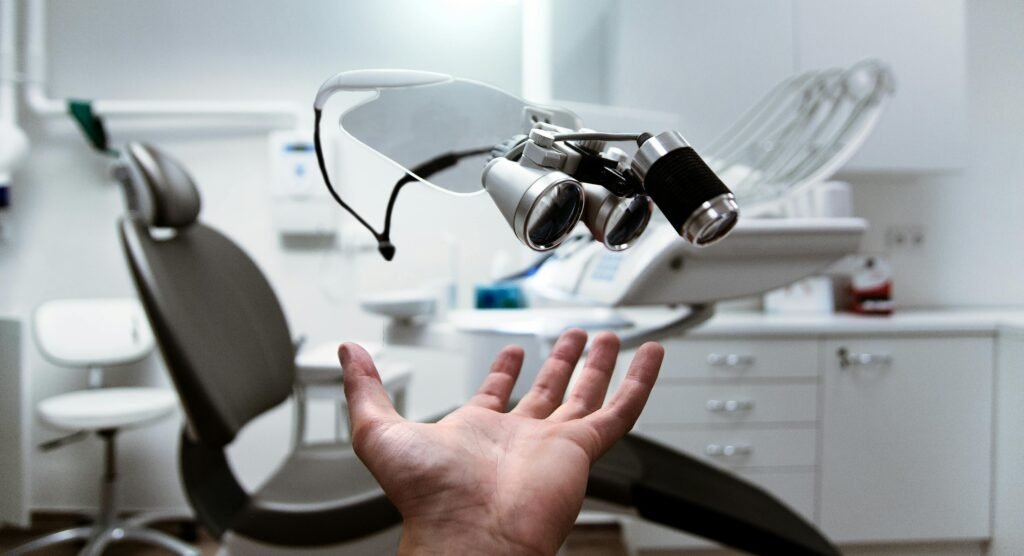
The field of surgery is undergoing a remarkable transformation due to emerging technologies, particularly through the adoption of 3D printing and robotics. These advanced methods are not only enhancing precision and customization but also significantly improving patient outcomes. As these innovations develop, they stand to reshape the broader landscape of healthcare.
3D Printing’s Role in Surgical Evolution
3D printing has emerged as a game-changing technology in the surgical arena. By enabling the creation of intricate devices tailored to individual patient needs, it is pushing the boundaries of traditional surgical practices. The core process involves layering materials to construct three-dimensional objects from digital models, which proves invaluable in designing and manufacturing surgical tools.
The use of biocompatible materials ensures that these devices are safe for medical applications, providing both functionality and reliability. Techniques such as Stereolithography (SLA) and Selective Laser Sintering (SLS) allow for the production of complex geometries that conventional manufacturing methods struggle to achieve. This advancement accelerates the development process while enhancing the quality and precision of surgical instruments.
With the integration of 3D printing in surgical planning, surgeons can now create anatomically accurate models of patient-specific organs. This capability allows them to rehearse complex procedures prior to surgery, leading to reduced surgical times and minimized complications. Medical institutions around the world are increasingly adopting this practice, recognizing the value of tactile feedback and spatial understanding that physical models provide.
Cost-Effectiveness and Accessibility of Surgical Technologies
The integration of emerging technologies in surgical equipment manufacturing brings significant cost advantages. Traditional manufacturing methods often involve high setup costs and extensive production times. In contrast, technologies like 3D printing eliminate the need for molds or specialized tooling, making the production of intricate or low-volume parts more economically feasible.
This economic benefit extends beyond manufacturers. By lowering production costs, advanced surgical technologies become more accessible, ensuring broader availability of innovative treatments and tools across various healthcare settings. Companies such as HAAPD.com are pivotal in this transformation, focusing on surgical device design and guiding products from concept to commercialization with an emphasis on innovation and collaboration.
Customization and precision are critical components of surgical device manufacturing. Unlike mass-produced equipment, customized devices provide a better fit and improved performance for individual patients. For instance, prosthetic limbs can be specifically designed to match a patient’s anatomy, significantly enhancing comfort and usability. The precision offered by these technologies ensures that every component meets the stringent requirements necessary for surgical applications.
Emerging technologies have also accelerated the concept of rapid prototyping, enabling quicker development cycles for new surgical equipment. This capability allows for more frequent production and testing of prototypes, leading to faster iterations and improvements. Consequently, innovations can reach the market more rapidly than through conventional manufacturing techniques. This speed not only benefits healthcare providers but also positions companies as leaders in medical advancement.
In summary, the integration of emerging technologies such as 3D printing and robotics is fundamentally transforming the surgical landscape. With improvements in precision, customization, and cost-effectiveness, these innovations are set to enhance patient outcomes and reshape healthcare practices around the globe. The ongoing evolution in surgical technologies promises to deliver solutions that were once thought impossible, heralding a new era in medical care.

Hedge Funds Surge in November Amid Market Volatility

Transform Your Life: Tana’s New Simple Approach Just Revealed

Urgent Sewer Repairs Begin in Buffalo’s Fruit Belt Neighborhood

Leak Reveals Next-Gen Xbox Magnus as Premium Steam Machine

Trump Issues Ultimatum to Maduro; Venezuela Closes Airspace

Microsoft Faces Urgent Windows 11 Crisis Amid Core Failures

Engineering Legend Professor Ted de Winter Passes at 93

The Game Reacts to Celeste Rivas’ Death, Calls for Justice

Global Psoriasis Rates Climb Steadily, Especially in Wealthy Areas

Inventor Achieves Breakthrough with 2 Billion FPS Laser Video

Community Unites for 7th Annual Into the Light Walk for Mental Health

Charlie Sheen’s New Romance: ‘Glowing’ with Younger Partner

Dua Lipa Aces GCSE Spanish, Sparks Super Bowl Buzz with Fans

Mother Fights to Reunite with Children After Kidnapping in New Drama

Curium Group, PeptiDream, and PDRadiopharma Launch Key Cancer Trial

Former Mozilla CMO Launches AI-Driven Cannabis Cocktail Brand Fast

North Carolina’s Biotech Boom: Billions in New Investments

Tyler Technologies Set to Reveal Q3 Earnings on October 22
-
 Science1 month ago
Inventor Achieves Breakthrough with 2 Billion FPS Laser Video
-
 Health2 months ago
Community Unites for 7th Annual Into the Light Walk for Mental Health
-
 Top Stories2 months ago
Charlie Sheen’s New Romance: ‘Glowing’ with Younger Partner
-
 Entertainment2 months ago
Dua Lipa Aces GCSE Spanish, Sparks Super Bowl Buzz with Fans
-
 Entertainment2 months ago
Mother Fights to Reunite with Children After Kidnapping in New Drama
-
 Health2 months ago
Curium Group, PeptiDream, and PDRadiopharma Launch Key Cancer Trial
-
 Top Stories2 months ago
Former Mozilla CMO Launches AI-Driven Cannabis Cocktail Brand Fast
-
 Health2 months ago
North Carolina’s Biotech Boom: Billions in New Investments
-
 Business2 months ago
Tyler Technologies Set to Reveal Q3 Earnings on October 22
-

 World2 months ago
Israel Reopens Rafah Crossing After Hostage Remains Returned
-

 World2 months ago
R&B Icon D’Angelo Dies at 51, Leaving Lasting Legacy
-

 Entertainment2 months ago
Red Sox’s Bregman to Become Free Agent; Tigers Commit to Skubal