
Top Stories
Revolutionize Your Projects: How Trello Rescues ‘Almost Done’ Tasks

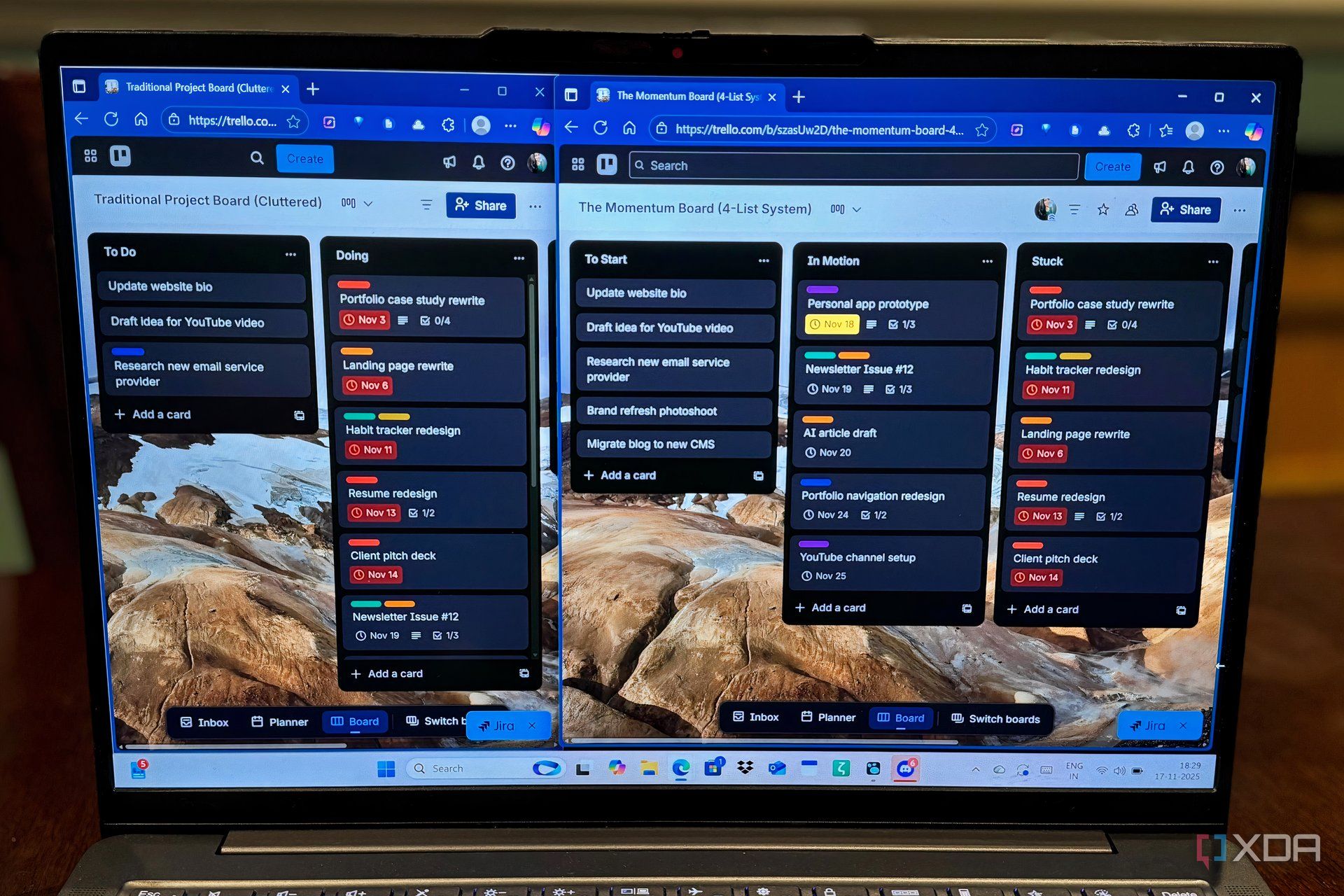
URGENT UPDATE: A transformative Trello system has emerged, promising to prevent projects from stalling in the dreaded “Almost Done” phase. The latest findings, released in September 2023, reshape how creative individuals manage their tasks, emphasizing energy levels over traditional project stages.
In a groundbreaking experiment, one user discovered that conventional project management methods often fail to capture the emotional dynamics of creative work. Instead of merely tracking task status—To Do, Doing, Done—the new Trello setup focuses on energy states, categorizing projects into four lists: To Start, In Motion, Stuck, and Done. This innovative approach is gaining traction among freelancers and side hustlers seeking to enhance productivity and motivation.
The issue with traditional Trello boards is clear: they often become graveyards for abandoned tasks. Many users report their “In Progress” cards morphing into a collection of guilt-inducing reminders. The emotional weight of unfinished projects can lead to stagnation, causing motivation to evaporate. The new Trello system addresses this by recognizing that projects stall not because of forgotten tasks, but due to emotional barriers and decision paralysis.
With the new setup, users can easily identify where their energy is flowing. The “Stuck” list serves as a diagnostic tool, allowing individuals to confront emotional roadblocks directly. By asking, “What’s blocking me?” users can pinpoint the specific challenges hindering progress. This approach fosters honesty and transparency, making it easier to tackle projects that have been sidelined.
The details are simple: create four lists in Trello—To Start, In Motion, Stuck, and Done. This straightforward structure prioritizes emotional honesty over complex features. Users are encouraged to evaluate projects based on one crucial question: “If I opened this project right now, would it feel easy or hard?” This simple inquiry allows individuals to categorize tasks based on their current energy levels.
The emotional impact of this method is significant. Users report feeling energized when checking their “In Motion” list, as it now only contains projects that genuinely excite them. Conversely, the “Stuck” list provides a safe space to acknowledge when a project is not progressing, removing the guilt often associated with stalled tasks.
Recent feedback indicates that this approach is particularly effective for solo creative work, where self-deception about productivity can be rampant. By focusing on momentum rather than milestones, users can shift their mindset, transforming the often-daunting process of finishing projects into a more fluid and engaging experience.
As this new Trello strategy gains popularity, it is reshaping the landscape of personal project management. The emphasis on emotional dynamics and energy tracking is resonating with individuals seeking to bring their side projects to completion. The shift toward a more human-centered approach could be the key to revitalizing creativity and productivity.
For those struggling with unfinished tasks, this Trello setup is a game changer. It not only organizes tasks more effectively but also aligns with the realities of creative work. With this newfound clarity, the pathway to completing projects becomes less about discipline and more about harnessing momentum.
What’s next? As users adopt this method, the Trello community may witness a surge in productivity and project completions. The emotional insights gained from this approach could lead to further innovations in project management tools, catering to the nuanced needs of creative individuals.
Don’t miss out on this opportunity to revolutionize your project management strategy! Share this article with fellow creatives who may benefit from this urgent update.

ADHD Drug Exemptions Hit Record Low in MLB, Only 54 Players Approved

Trump’s Urgent Plea for GOP Support Signals Crisis in Tennessee Race

Appeals Court Disqualifies Alina Habba as New Jersey Prosecutor

Trump Convenes National Security Team Amid Controversial Strikes

Researchers Develop Advanced Microcatheters for Reproductive Health

Dolphins Fight to Keep Playoff Hopes Alive After Saints Win

Maine’s Seniors Face Rising Drug Addiction, Seek Treatment

BMO Capital Markets Sets C$4.00 Price Target for Fireweed Metals

Hedge Funds Surge in November Amid Market Volatility

Inventor Achieves Breakthrough with 2 Billion FPS Laser Video

Community Unites for 7th Annual Into the Light Walk for Mental Health

Charlie Sheen’s New Romance: ‘Glowing’ with Younger Partner

Dua Lipa Aces GCSE Spanish, Sparks Super Bowl Buzz with Fans

Mother Fights to Reunite with Children After Kidnapping in New Drama

Curium Group, PeptiDream, and PDRadiopharma Launch Key Cancer Trial

Former Mozilla CMO Launches AI-Driven Cannabis Cocktail Brand Fast

Tyler Technologies Set to Reveal Q3 Earnings on October 22

North Carolina’s Biotech Boom: Billions in New Investments
-
 Science1 month ago
Inventor Achieves Breakthrough with 2 Billion FPS Laser Video
-
 Health2 months ago
Community Unites for 7th Annual Into the Light Walk for Mental Health
-
 Top Stories2 months ago
Charlie Sheen’s New Romance: ‘Glowing’ with Younger Partner
-
 Entertainment2 months ago
Dua Lipa Aces GCSE Spanish, Sparks Super Bowl Buzz with Fans
-
 Entertainment2 months ago
Mother Fights to Reunite with Children After Kidnapping in New Drama
-
 Health2 months ago
Curium Group, PeptiDream, and PDRadiopharma Launch Key Cancer Trial
-
 Top Stories2 months ago
Former Mozilla CMO Launches AI-Driven Cannabis Cocktail Brand Fast
-
 Business2 months ago
Tyler Technologies Set to Reveal Q3 Earnings on October 22
-
 Health2 months ago
North Carolina’s Biotech Boom: Billions in New Investments
-

 World2 months ago
Israel Reopens Rafah Crossing After Hostage Remains Returned
-

 World2 months ago
R&B Icon D’Angelo Dies at 51, Leaving Lasting Legacy
-

 Entertainment2 months ago
Red Sox’s Bregman to Become Free Agent; Tigers Commit to Skubal