
Health
Bioengineers Unveil First Fully Synthetic Human Brain Model

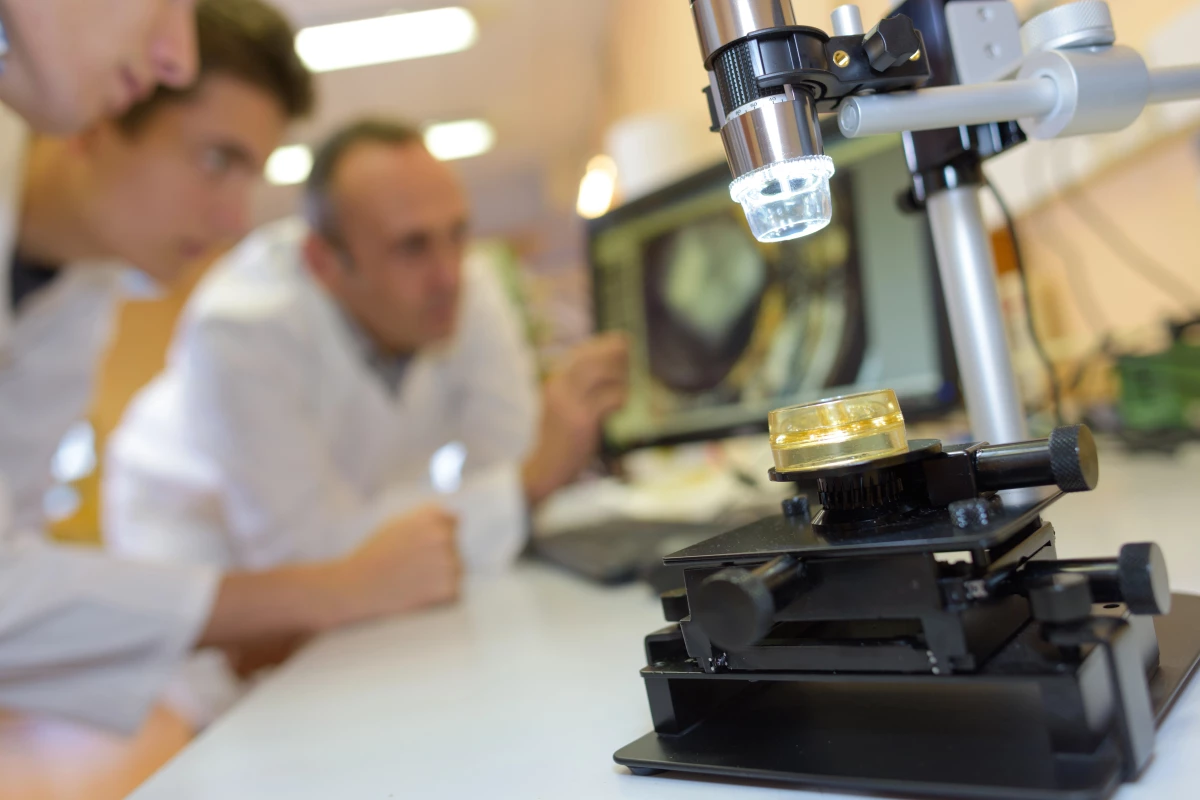
Scientists at the University of California, Riverside have developed the first fully synthetic human brain model, marking a significant advancement in the field of neural tissue engineering. This breakthrough, known as the Bijel-Integrated PORous Engineered System (BIPORES), eliminates the need for animal-derived materials, paving the way for more ethical and effective research methods.
Neural tissue engineering aims to replicate the brain’s intricate environment, particularly the extracellular matrix that supports nerve cell growth and connectivity. Traditional methods have struggled to reproduce the brain’s subtle design features, often failing to capture the fine details that influence cell behavior. The BIPORES system addresses these challenges by combining large-scale fibrous structures with complex pore patterns, inspired by bijels—soft materials with unique internal surfaces.
The new material primarily consists of polyethylene glycol (PEG), a chemically neutral polymer that normally repels cells. To enhance its functionality, researchers utilized a technique called STrIPS, which allows for the continuous production of tiny particles and fibrous structures. Previously, these materials were limited to a thickness of approximately 200 micrometers, constrained by molecular movement during formation. The BIPORES system overcomes this limitation, facilitating the creation of thicker and more complex structures.
The innovative design incorporates a gel-like PEG solution, which transforms into a porous network stabilized by silica nanoparticles. Using a custom microfluidic setup and bioprinter, the team constructed 3D structures featuring interconnected pores. These pores enable nutrients and waste to circulate freely, fostering optimal conditions for cell growth. When tested with neural stem cells, the BIPORES material promoted strong cell attachment, growth, and the formation of active nerve connections.
According to Prince David Okoro, the study’s lead author, “Since the engineered scaffold is stable, it permits longer-term studies. That’s especially important as mature brain cells are more reflective of real tissue function when investigating relevant diseases or traumas.”
The scaffold, currently measuring just two millimeters across, is expected to be scaled up for broader applications. The research team has submitted a new paper exploring the potential of this approach for liver tissue, aiming to create a network of lab-grown mini-organs that communicate like real systems in the human body.
Iman Noshadi, an associate professor of bioengineering at UCR, emphasized the broader implications of this work: “An interconnected system would let us see how different tissues respond to the same treatment and how a problem in one organ may influence another. It is a step toward understanding human biology and disease in a more integrated way.”
From a biomimicry perspective, the layered fabrication approach utilized in BIPORES closely mimics the behavior of actual brain tissue. This advancement offers a powerful tool for studying neurological diseases, testing new drugs, and developing future treatments for repairing or replacing damaged neural tissue.
The study detailing these findings was published in Advanced Functional Materials in March 2024. This innovative research holds promise not only for scientific inquiry but also for aligning with ongoing initiatives, such as the US FDA’s efforts to phase out animal testing in drug development. As bioengineering continues to evolve, the potential applications of synthetic brain models are vast, potentially revolutionizing how researchers approach neurological disorders and therapies.

Leak Reveals Next-Gen Xbox Magnus as Premium Steam Machine

Trump Issues Ultimatum to Maduro; Venezuela Closes Airspace

Microsoft Faces Urgent Windows 11 Crisis Amid Core Failures

Engineering Legend Professor Ted de Winter Passes at 93

The Game Reacts to Celeste Rivas’ Death, Calls for Justice

Global Psoriasis Rates Climb Steadily, Especially in Wealthy Areas

$500,000 Grant Fuels Development of Children’s Imagination Station

OMERS Administration Corp Increases Stake in Qualcomm by 2.4%

ISOLDE Celebrates a Decade of Advances in Nuclear Research

Inventor Achieves Breakthrough with 2 Billion FPS Laser Video

Community Unites for 7th Annual Into the Light Walk for Mental Health

Charlie Sheen’s New Romance: ‘Glowing’ with Younger Partner

Dua Lipa Aces GCSE Spanish, Sparks Super Bowl Buzz with Fans

Mother Fights to Reunite with Children After Kidnapping in New Drama

Former Mozilla CMO Launches AI-Driven Cannabis Cocktail Brand Fast

Curium Group, PeptiDream, and PDRadiopharma Launch Key Cancer Trial

Tyler Technologies Set to Reveal Q3 Earnings on October 22

North Carolina’s Biotech Boom: Billions in New Investments
-
 Science1 month ago
Inventor Achieves Breakthrough with 2 Billion FPS Laser Video
-
 Health2 months ago
Community Unites for 7th Annual Into the Light Walk for Mental Health
-
 Top Stories2 months ago
Charlie Sheen’s New Romance: ‘Glowing’ with Younger Partner
-
 Entertainment2 months ago
Dua Lipa Aces GCSE Spanish, Sparks Super Bowl Buzz with Fans
-
 Entertainment2 months ago
Mother Fights to Reunite with Children After Kidnapping in New Drama
-
 Top Stories2 months ago
Former Mozilla CMO Launches AI-Driven Cannabis Cocktail Brand Fast
-
 Health2 months ago
Curium Group, PeptiDream, and PDRadiopharma Launch Key Cancer Trial
-
 Business2 months ago
Tyler Technologies Set to Reveal Q3 Earnings on October 22
-
 Health2 months ago
North Carolina’s Biotech Boom: Billions in New Investments
-

 World2 months ago
Israel Reopens Rafah Crossing After Hostage Remains Returned
-

 World2 months ago
R&B Icon D’Angelo Dies at 51, Leaving Lasting Legacy
-

 Entertainment2 months ago
Red Sox’s Bregman to Become Free Agent; Tigers Commit to Skubal