
Business
U.N. Climate Conference Concludes with No Fossil Fuel Agreement

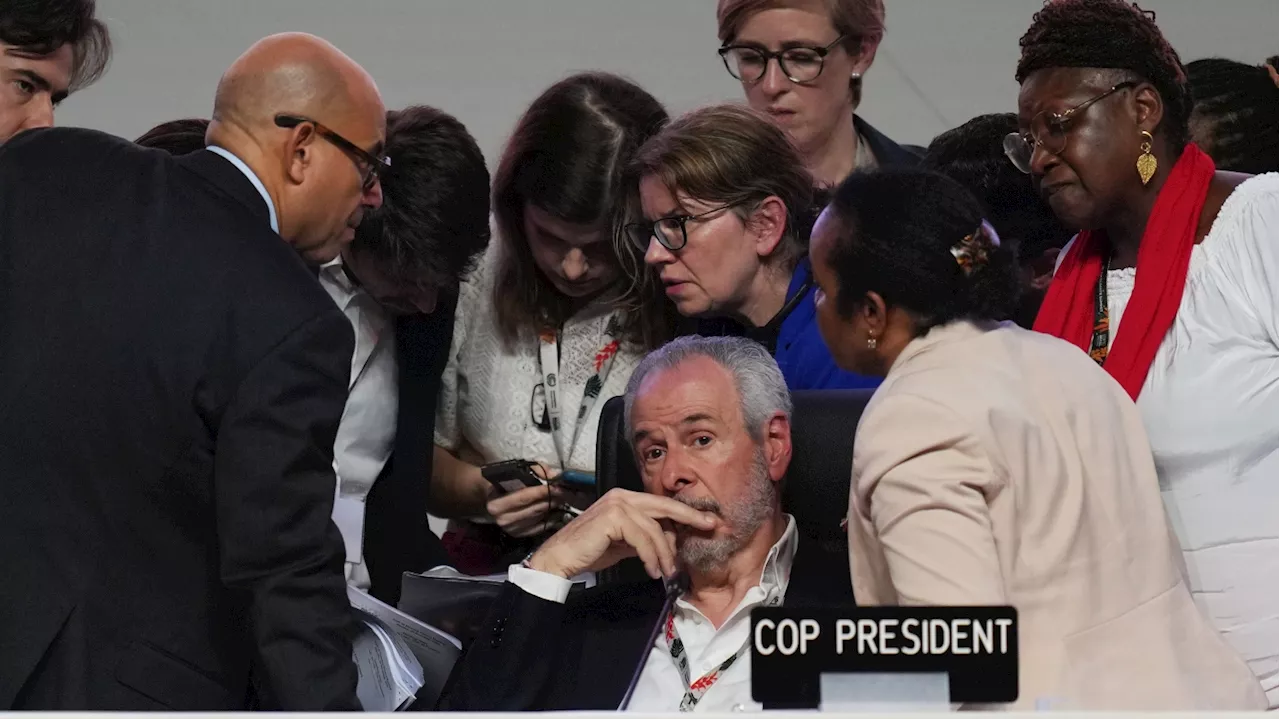
The recent United Nations climate conference in Belem, Brazil, wrapped up on November 22, 2025, without reaching a consensus on phasing out fossil fuels, which are widely recognized as the primary contributor to global warming. Negotiators were unable to agree on a definitive “roadmap” for transitioning away from coal, oil, and gas, despite the calls from over 80 countries, including many developing nations, the United Kingdom, and Germany.
The absence of the United States during these crucial discussions limited the conference’s impact. André Corrêa do Lago, the president of this year’s summit, acknowledged the aspirations for a more comprehensive agreement, but ultimately, the finalized document did not address fossil fuels. Instead, it emphasized the need for “urgent action” to achieve “deep, rapid and sustained” reductions in greenhouse gas emissions without specifying any measures related to fossil fuel usage.
During the conference, representatives from nations adversely affected by climate change, such as Vanuatu, expressed their concerns. Ralph Regenvanu, the Climate Change Minister of Vanuatu, identified the establishment of a new conference focused on transitioning from fossil fuels as a key outcome from the discussions in Belem. This initiative aims to complement the existing U.N. climate processes.
The ongoing reliance on fossil fuels complicates efforts to address climate change. Climate negotiators have struggled for years to devise a framework for reducing dependency on these energy sources. Critics, like Daniela Duran Gonzalez, head of international affairs for the Colombian Ministry of Environment and Sustainable Development, emphasized that effective mitigation is impossible without addressing fossil fuel usage.
Despite the lack of a concrete plan to phase out fossil fuels, the agreement noted that countries recognize the necessity for immediate action. The document highlighted the importance of reducing greenhouse gas emissions but failed to provide specific guidelines or a timeline for transitioning away from fossil fuels.
The challenge of moving from fossil fuels remains daunting, as the global economy continues to be heavily reliant on oil, coal, and natural gas. Delegates from countries like Nigeria voiced concerns that any abrupt shift could lead to economic instability. A representative from Nigeria stated that they would not support climate plans that could trigger sudden economic contractions.
As global temperatures continue to rise, the urgency of climate negotiations has intensified. The 2015 Paris Agreement set a target to limit global warming to 1.5 degrees Celsius compared to pre-industrial levels. Current projections indicate that this goal is increasingly out of reach. Scientists assert that achieving a 50% reduction in emissions by 2035 could help stabilize temperatures, but experts warn that a more ambitious target of a 60% reduction is necessary to avoid catastrophic climate impacts.
With the world increasingly affected by climate change, discussions have turned to how nations can adapt to an evolving climate landscape. Financial support for developing countries, which are often the most vulnerable to climate-related disasters, is critical. The conference in Belem highlighted the need for developed nations to provide at least $300 billion annually by 2035 to assist these countries in adapting to climate risks.
In addition to addressing adaptation financing, the conference also sought to increase overall climate financing for developing nations to $1.3 trillion annually within the next decade. However, there have been significant concerns regarding the reliability of funding from wealthier nations, which have previously failed to meet financial commitments.
The absence of the U.S. delegation shifted focus to China, the largest emitter of climate pollution and a leading manufacturer of renewable energy technology. Discussions at the conference reflected China’s growing role in promoting free trade in green technology. Li Shuo, director of the Asia Society’s China hub, noted that China aims to position itself as a leader in the global market for low-carbon products.
A significant outcome of the conference was the announcement of a new initiative dedicated to the global phase-out of fossil fuels. Colombia’s Environment Minister, Irene Vélez Torres, stated that the upcoming Santa Marta conference would serve as a platform to emphasize the necessity of phasing out fossil fuels. The emergence of this new conference reflects the frustrations felt by both countries and non-governmental organizations regarding the slow pace of progress in existing climate negotiations.
As nations continue to grapple with the complexities of climate change, the lack of a clear pathway to phase out fossil fuels remains a critical barrier to achieving global climate goals. The next steps will be crucial in determining how effectively the international community can respond to the growing challenges posed by a changing climate.

Engineering Legend Professor Ted de Winter Passes at 93

The Game Reacts to Celeste Rivas’ Death, Calls for Justice

Global Psoriasis Rates Climb Steadily, Especially in Wealthy Areas

$500,000 Grant Fuels Development of Children’s Imagination Station

OMERS Administration Corp Increases Stake in Qualcomm by 2.4%

ISOLDE Celebrates a Decade of Advances in Nuclear Research

OMERS Boosts Stake in Merck as Institutional Investors Rally

Widespread Snowstorm Hits Western New York Tonight

Cyber Monday Deals Under $25: Shop Must-Have Gifts NOW

Inventor Achieves Breakthrough with 2 Billion FPS Laser Video

Community Unites for 7th Annual Into the Light Walk for Mental Health

Charlie Sheen’s New Romance: ‘Glowing’ with Younger Partner

Dua Lipa Aces GCSE Spanish, Sparks Super Bowl Buzz with Fans

Mother Fights to Reunite with Children After Kidnapping in New Drama

Former Mozilla CMO Launches AI-Driven Cannabis Cocktail Brand Fast

Tyler Technologies Set to Reveal Q3 Earnings on October 22

Curium Group, PeptiDream, and PDRadiopharma Launch Key Cancer Trial

Israel Reopens Rafah Crossing After Hostage Remains Returned
-
 Science1 month ago
Inventor Achieves Breakthrough with 2 Billion FPS Laser Video
-
 Health2 months ago
Community Unites for 7th Annual Into the Light Walk for Mental Health
-
 Top Stories2 months ago
Charlie Sheen’s New Romance: ‘Glowing’ with Younger Partner
-
 Entertainment2 months ago
Dua Lipa Aces GCSE Spanish, Sparks Super Bowl Buzz with Fans
-
 Entertainment2 months ago
Mother Fights to Reunite with Children After Kidnapping in New Drama
-
 Top Stories2 months ago
Former Mozilla CMO Launches AI-Driven Cannabis Cocktail Brand Fast
-
 Health2 months ago
Curium Group, PeptiDream, and PDRadiopharma Launch Key Cancer Trial
-
 Business2 months ago
Tyler Technologies Set to Reveal Q3 Earnings on October 22
-
 World2 months ago
Israel Reopens Rafah Crossing After Hostage Remains Returned
-

 World2 months ago
R&B Icon D’Angelo Dies at 51, Leaving Lasting Legacy
-

 Health2 months ago
North Carolina’s Biotech Boom: Billions in New Investments
-

 Entertainment2 months ago
Red Sox’s Bregman to Become Free Agent; Tigers Commit to Skubal