
Health
Female Chemist Pioneers Drug for Childhood Leukemia Remission

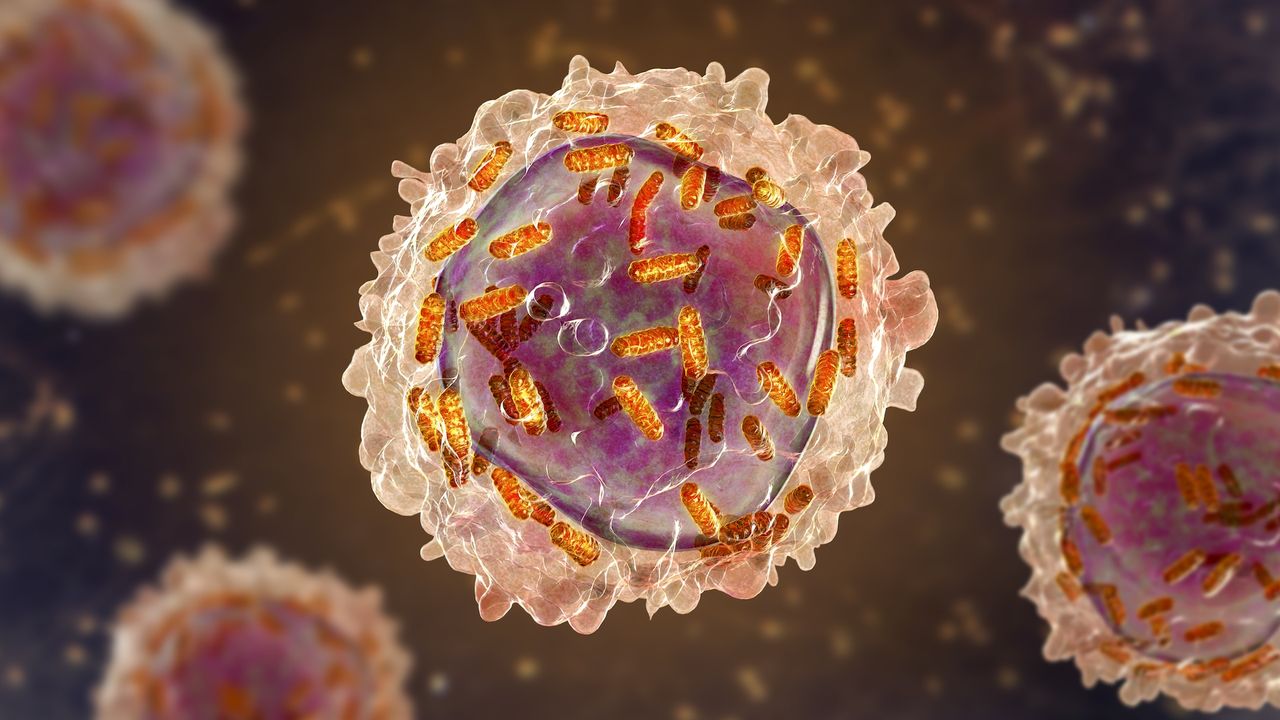
In a groundbreaking achievement on December 6, 1954, researchers at the Sloan Kettering Institute and Weill Cornell Medical College in New York announced the development of a chemotherapy drug that successfully induced remission in children suffering from acute leukemia. Spearheaded by chemist Gertrude Elion and her colleagues, this drug, known as 6-mercaptopurine (6-MP), marked a significant advance in cancer treatment and paved the way for future innovations in drug design.
Elion, who had earned a master’s degree in chemistry in 1941, faced considerable barriers in her early career due to gender discrimination in scientific research. After being denied many graduate research positions, she taught high school chemistry and worked as a food quality tester before joining the laboratory of George Hitchings at the Burroughs-Wellcome pharmaceutical company (now GSK) in 1944. Hitchings was exploring new methodologies to create drugs that avoided the traditional trial-and-error approach, focusing instead on a rational basis for drug development.
Elion’s personal connection to cancer influenced her career choices. She noted in an autobiographical sketch, “One of the deciding factors may have been that my grandfather, whom I loved dearly, died of cancer when I was 15. I was highly motivated to do something that might eventually lead to a cure for this terrible disease.”
In collaboration with Hitchings, Elion theorized that fast-growing cells, such as those found in tumors, required nucleic acids to proliferate. Their work led to the discovery of 6-MP, a compound derived from purine, which inhibited the growth of both bacterial and leukemia cells in laboratory settings. By 1952, clinical trials began, involving 107 patients, including 45 children diagnosed with acute leukemia, a condition that had previously left little hope for survival.
The initial results were promising. While the increase in remission rates was modest, with 15 children achieving remission for periods ranging from weeks to months, it represented a significant step forward in treating a disease that had previously offered no effective options. Elion expressed her joy at the children’s improved health, alongside profound disappointment when they relapsed.
Determined to enhance the effectiveness of their treatment, Elion and Hitchings pursued additional compounds. Their efforts culminated in the late 1950s with the introduction of a combination regimen that paired 6-MP with methotrexate, another chemotherapy drug developed by Dr. Jane Wright. This innovation led to more stable and longer-lasting remissions in some pediatric patients.
Throughout her illustrious career, Elion contributed to the development of numerous life-saving drugs, including azathioprine for rheumatoid arthritis and organ transplant rejection, acyclovir for viral infections, and AZT, the first effective treatment for HIV/AIDS. Her pioneering work on drug design principles earned her a Nobel Prize in Physiology or Medicine in 1988, shared with Hitchings and James Black.
Elion’s legacy not only showcases her scientific acumen but also highlights the importance of perseverance in the face of adversity. Her contributions continue to influence modern medicine and inspire future generations of scientists, particularly women striving to break barriers in the field.

Two Traders Launch $5 Million Investment Fund from Discord Chat

24-Year-Old Stanford Dropout Secures $64M for AI Math Startup

Vanity Fair Ends Collaboration with Olivia Nuzzi Amid Controversy

Dodge & Cox Reduces Stake in SLB Limited Amid Market Adjustments

Delight in the Orange Breakfast Ring for Festive Gatherings

Herriot Tabuteau Divests 49,252 Shares of Axsome Therapeutics

Zonta Club of Auburn Champions Action Against Domestic Violence

Sampo and First Acceptance: A Comparative Analysis of Financial Strength

Couples Shift Focus to Emotional Milestones Over Traditional Bases

Inventor Achieves Breakthrough with 2 Billion FPS Laser Video

Community Unites for 7th Annual Into the Light Walk for Mental Health

Charlie Sheen’s New Romance: ‘Glowing’ with Younger Partner

Dua Lipa Aces GCSE Spanish, Sparks Super Bowl Buzz with Fans

Mother Fights to Reunite with Children After Kidnapping in New Drama

Curium Group, PeptiDream, and PDRadiopharma Launch Key Cancer Trial

Former Mozilla CMO Launches AI-Driven Cannabis Cocktail Brand Fast

Israel Reopens Rafah Crossing After Hostage Remains Returned

Tyler Technologies Set to Reveal Q3 Earnings on October 22
-
 Science2 months ago
Inventor Achieves Breakthrough with 2 Billion FPS Laser Video
-
 Health2 months ago
Community Unites for 7th Annual Into the Light Walk for Mental Health
-
 Top Stories2 months ago
Charlie Sheen’s New Romance: ‘Glowing’ with Younger Partner
-
 Entertainment2 months ago
Dua Lipa Aces GCSE Spanish, Sparks Super Bowl Buzz with Fans
-
 Entertainment2 months ago
Mother Fights to Reunite with Children After Kidnapping in New Drama
-
 Health2 months ago
Curium Group, PeptiDream, and PDRadiopharma Launch Key Cancer Trial
-
 Top Stories2 months ago
Former Mozilla CMO Launches AI-Driven Cannabis Cocktail Brand Fast
-
 World2 months ago
Israel Reopens Rafah Crossing After Hostage Remains Returned
-
 Business2 months ago
Tyler Technologies Set to Reveal Q3 Earnings on October 22
-

 Health2 months ago
North Carolina’s Biotech Boom: Billions in New Investments
-

 World2 months ago
R&B Icon D’Angelo Dies at 51, Leaving Lasting Legacy
-

 Entertainment2 months ago
Red Sox’s Bregman to Become Free Agent; Tigers Commit to Skubal