
Health
Healthcare Software Development Transforms Patient Care Landscape

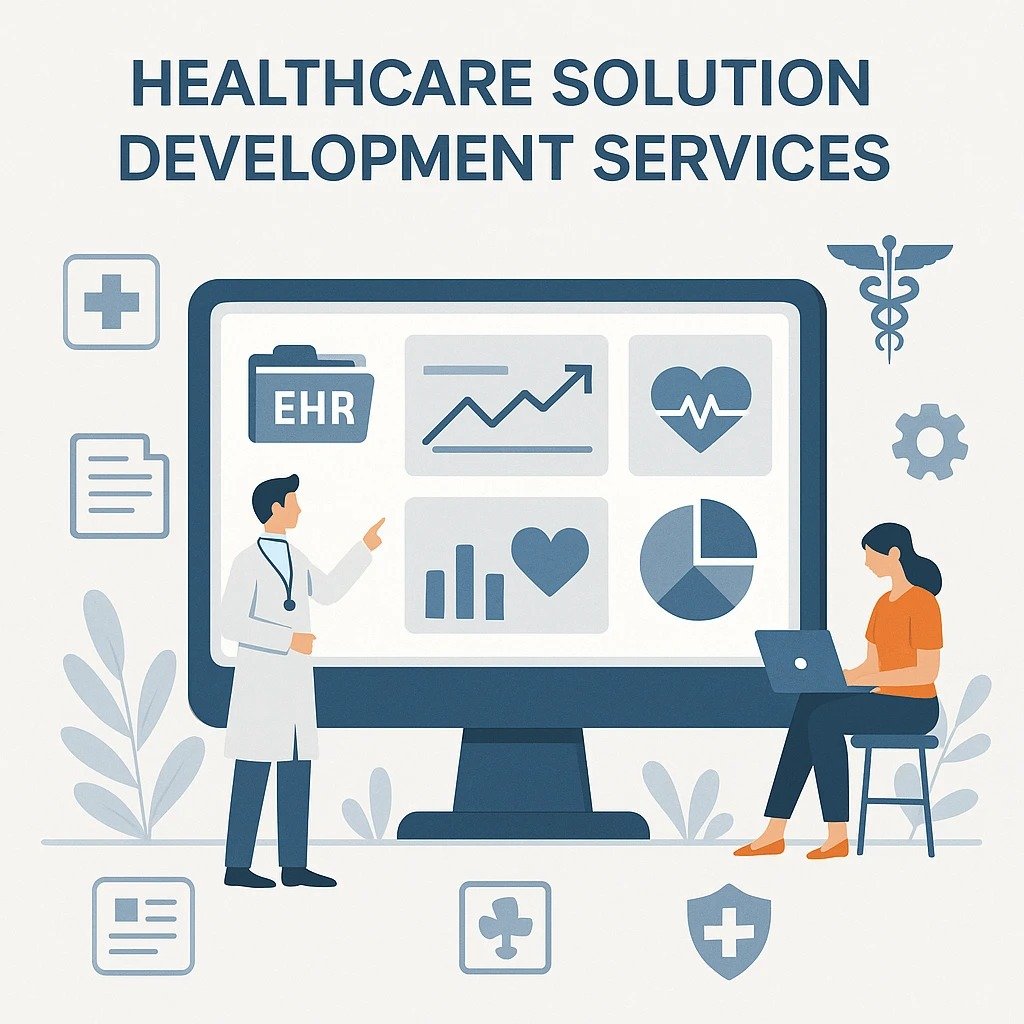
The healthcare sector is undergoing a significant transformation, driven by the necessity for advanced digital solutions. Organizations across the spectrum—including hospitals, clinics, insurers, and pharmaceutical companies—are increasingly prioritizing healthcare software development as they seek to enhance patient outcomes and streamline operations. This shift is marked by an emphasis on tailored software solutions that cater to the unique challenges of the healthcare environment.
Importance of Tailored Software Solutions
Unlike standard commercial software, healthcare technologies must navigate complex regulatory landscapes, patient privacy concerns, and the integration of sensitive medical data. Off-the-shelf systems frequently fall short in addressing the intricacies associated with Electronic Health Records (EHR) integration and interoperability standards like FHIR and HL7. Custom software development addresses these issues, providing solutions tailored to the specific clinical, operational, and technical requirements of healthcare organizations. Whether developing a hospital management system, a telemedicine application, or a population health analytics engine, custom development ensures that tools align with real-world healthcare needs rather than generic scenarios.
Key areas of healthcare software development include the continuous evolution of EHR and EMR systems, which are essential to modern healthcare infrastructure. Custom EHR modules can significantly reduce documentation time, improve data accuracy, and enhance clinician workflows. The rise of telehealth platforms has been pivotal in enabling virtual consultations and remote patient monitoring, thus increasing accessibility and minimizing unnecessary hospital visits. Additionally, healthcare analytics and AI-driven systems facilitate clinical decision-making by predicting patient risks and optimizing hospital operations.
Interoperability and Security Challenges
Interoperability is a critical component of healthcare’s digital progress. It allows for the seamless exchange and interpretation of clinical data between systems. Without effective interoperability, healthcare providers can encounter bottlenecks and fragmented patient histories. The reliance on standards such as FHIR and HL7 is growing, as modern software development focuses on creating systems that integrate easily with existing hospital technology, ensuring scalability and alignment with global standards.
Security is paramount in healthcare software development, as patient data is among the most sensitive types of information and frequently targeted by cyberattacks. Strong software development practices include data encryption, secure authentication flows, role-based access controls, and continuous vulnerability monitoring. Compliance with frameworks such as HIPAA and GDPR is essential to ensure patient privacy and legal protection, making it vital for healthcare organizations to work with development partners who understand these regulations.
Edenlab, a leading company in healthcare engineering, specializes in creating high-performance interoperability solutions. The firm is recognized for developing robust digital infrastructures for national healthcare systems and hospital networks. Edenlab’s expertise includes FHIR-native product development and complex system integrations, enabling organizations to build scalable digital ecosystems with confidence.
Artificial intelligence (AI) and automation are increasingly integral to modern healthcare solutions. Machine learning algorithms analyze extensive datasets to predict outcomes and support care coordination. Natural language processing tools extract structured insights from unstructured physician notes. Automation streamlines administrative workflows, reducing manual paperwork and expediting claims decisions.
Digital tools extend benefits beyond healthcare providers by enhancing the overall patient experience. Applications for appointment scheduling, virtual visits, and medication reminders create a more connected healthcare journey. This shift towards patient-centric care underscores the growing demand for customized software solutions.
Despite the potential of healthcare software development, challenges persist. Legacy systems may resist integration, requiring complex solutions. Data quality issues can impact analytics, while regulatory barriers can delay development processes. Navigating these challenges necessitates experienced engineering teams and a comprehensive understanding of healthcare operations.
Looking ahead, the future of healthcare software will likely include real-time clinical decision support, precision medicine platforms, and advanced wearables. Cloud-based systems are expected to expand, reducing reliance on on-premise solutions. Interoperability will remain central, while AI will continue to redefine patient engagement.
The ongoing digital transformation in healthcare is reshaping how medical organizations operate and deliver care. Custom software development is pivotal in this evolution, allowing organizations to create tailored tools that enhance quality and efficiency. With the support of innovative healthcare solution development services like those offered by Edenlab, healthcare providers can build interconnected systems that streamline workflows and harness the power of data, ultimately leading to improved patient outcomes.

Cyber Monday 2025 Deals: Limited-Time Savings on Top Items!

SoftBank and Yaskawa Join Forces to Develop Advanced Office Robots

Analysts Set Price Target of $25.11 for Ingram Micro Shares

Winter Storm Hits Northern Pennsylvania; Drivers Urged to Stay Off Roads

Wall Street Analysts Adjust Ratings for Deere & Company Stock

Josh Brolin Reflects on Friendship with Donald Trump Before New Film

Dallas Pension Crisis Escalates as Board Rejects City’s Plan

Winter Weather Advisory Issued for South Central PA: Up to 3 Inches of Snow

ECB’s de Guindos Confirms Current Interest Rates Will Remain Steady

Inventor Achieves Breakthrough with 2 Billion FPS Laser Video

Community Unites for 7th Annual Into the Light Walk for Mental Health

Charlie Sheen’s New Romance: ‘Glowing’ with Younger Partner

Dua Lipa Aces GCSE Spanish, Sparks Super Bowl Buzz with Fans

Mother Fights to Reunite with Children After Kidnapping in New Drama

Former Mozilla CMO Launches AI-Driven Cannabis Cocktail Brand Fast

Curium Group, PeptiDream, and PDRadiopharma Launch Key Cancer Trial

Tyler Technologies Set to Reveal Q3 Earnings on October 22

Israel Reopens Rafah Crossing After Hostage Remains Returned
-
 Science1 month ago
Inventor Achieves Breakthrough with 2 Billion FPS Laser Video
-
 Health2 months ago
Community Unites for 7th Annual Into the Light Walk for Mental Health
-
 Top Stories2 months ago
Charlie Sheen’s New Romance: ‘Glowing’ with Younger Partner
-
 Entertainment2 months ago
Dua Lipa Aces GCSE Spanish, Sparks Super Bowl Buzz with Fans
-
 Entertainment2 months ago
Mother Fights to Reunite with Children After Kidnapping in New Drama
-
 Top Stories1 month ago
Former Mozilla CMO Launches AI-Driven Cannabis Cocktail Brand Fast
-
 Health2 months ago
Curium Group, PeptiDream, and PDRadiopharma Launch Key Cancer Trial
-
 Business2 months ago
Tyler Technologies Set to Reveal Q3 Earnings on October 22
-
 World2 months ago
Israel Reopens Rafah Crossing After Hostage Remains Returned
-

 Health2 months ago
North Carolina’s Biotech Boom: Billions in New Investments
-

 World2 months ago
R&B Icon D’Angelo Dies at 51, Leaving Lasting Legacy
-

 Entertainment2 months ago
Red Sox’s Bregman to Become Free Agent; Tigers Commit to Skubal