
Health
Lawmakers Face Pressure Over Health Care Subsidies and Abortion Rights

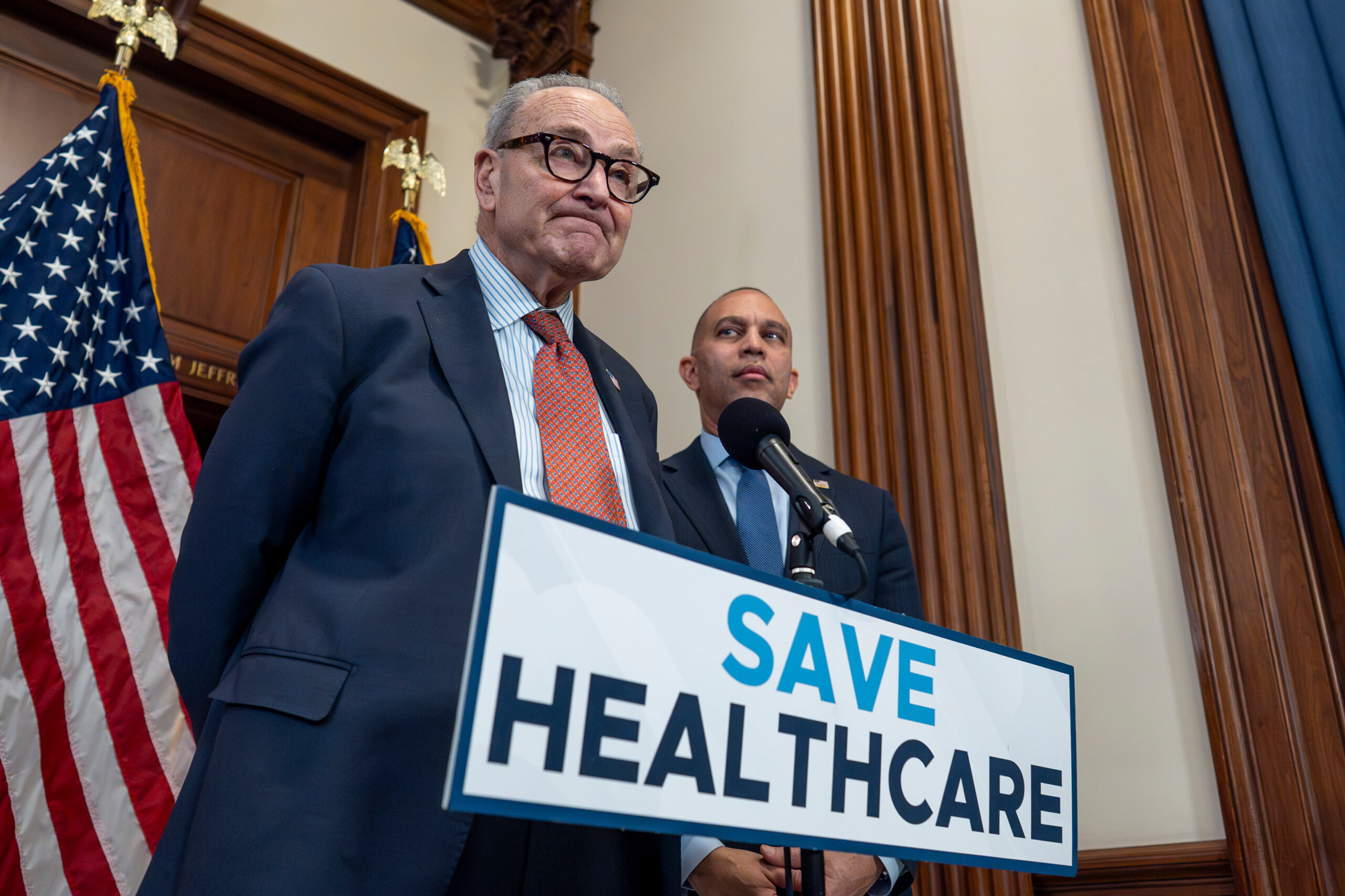
Lawmakers in the United States are grappling with intense pressure regarding health care subsidies, particularly in relation to abortion access. Both abortion-rights and anti-abortion groups have issued stern warnings to legislators, indicating that their support or opposition on the issue could significantly impact outcomes in the upcoming midterm elections. With critical votes approaching, the stakes for lawmakers are higher than ever.
The debate over health care subsidies has become increasingly intertwined with abortion rights since the Supreme Court’s decision to overturn *Roe v. Wade* in June 2022. This ruling altered the landscape of reproductive rights across the nation, leading to heightened activism from both sides. The fallout has cast a shadow over health care discussions, as lawmakers balance the need for comprehensive health care with the contentious nature of abortion policy.
Anti-abortion groups, including the *National Right to Life Committee*, assert that any support for health care policies perceived as endorsing abortion could jeopardize votes from constituents who oppose the procedure. In a statement, the committee emphasized, “Those who fail to uphold pro-life values will face consequences in the polls.” This warning highlights the potential political repercussions for legislators who may seek to broaden health care access that includes abortion services.
Conversely, abortion-rights advocates argue that restricting health care subsidies based on abortion access undermines women’s health and equality. Organizations such as the *Planned Parenthood Federation of America* advocate for comprehensive health care that includes reproductive services. They contend that denying subsidies for abortion-related care disproportionately affects low-income women, who often rely on public health programs for their medical needs.
As midterm elections approach, legislators are weighing their options carefully. Some representatives are seeking to navigate this complex landscape by advocating for policies that prioritize health care access without explicitly addressing abortion. This strategy aims to mitigate backlash from both sides of the debate.
October 2023 has emerged as a crucial month for lawmakers, with several key votes scheduled that could shape the future of health care funding. Advocates on both sides are mobilizing to influence these decisions. Grassroots campaigns are intensifying, with both pro-choice and anti-abortion groups organizing rallies and outreach efforts to engage voters.
The potential for backlash is significant, as polling data from the *Pew Research Center* indicates that issues surrounding abortion remain a pivotal concern for many voters. Approximately 61% of Americans believe that abortion should be legal in all or most cases, a statistic that underscores the challenge for lawmakers who oppose abortion rights.
As the political landscape continues to evolve, the intersection of health care subsidies and abortion rights will likely remain a focal point of contention. Legislators are faced with the daunting task of addressing these issues while navigating the intricate dynamics of public opinion and electoral consequences. The decisions made in the coming weeks could have lasting implications for both health care policy and reproductive rights in the United States.
In summary, the battle over health care subsidies and abortion rights is far from resolved. Lawmakers are caught in a complex web of competing interests, with both abortion-rights and anti-abortion groups poised to influence their decisions. As the midterm elections draw closer, the outcome of this debate will significantly impact not only legislative agendas but also the lives of millions of Americans who rely on accessible health care services.

Urgent: Trailer for Ana Urushadze’s ‘Supporting Role’ Drops Ahead of Rotterdam Premiere

Discover 20 Celebrities Sharing Their Adoption Journeys

Embracing Gratitude as a Strategy for Community Renewal

Tackling Overexploitation: A Call for Global Trade Regulation

Center Line Defeats Roseville 51-41 in Crossover Showdown

AOC Jokes About ‘Stomping’ JD Vance Amid 2028 Poll Surge

Urgent Move: Venezuela Targets Oil Tankers Amid Global Crisis

Homemade Potato Bread Recipe Surges in Popularity Amid Cozy Season

South Korean Professor Warns Judicial Reforms Threaten Democracy

Inventor Achieves Breakthrough with 2 Billion FPS Laser Video

Community Unites for 7th Annual Into the Light Walk for Mental Health

Charlie Sheen’s New Romance: ‘Glowing’ with Younger Partner

Dua Lipa Aces GCSE Spanish, Sparks Super Bowl Buzz with Fans

Curium Group, PeptiDream, and PDRadiopharma Launch Key Cancer Trial

Former Mozilla CMO Launches AI-Driven Cannabis Cocktail Brand Fast

Mother Fights to Reunite with Children After Kidnapping in New Drama

R&B Icon D’Angelo Dies at 51, Leaving Lasting Legacy

Israel Reopens Rafah Crossing After Hostage Remains Returned
-
 Science2 months ago
Inventor Achieves Breakthrough with 2 Billion FPS Laser Video
-
 Health2 months ago
Community Unites for 7th Annual Into the Light Walk for Mental Health
-
 Top Stories2 months ago
Charlie Sheen’s New Romance: ‘Glowing’ with Younger Partner
-
 Entertainment2 months ago
Dua Lipa Aces GCSE Spanish, Sparks Super Bowl Buzz with Fans
-
 Health2 months ago
Curium Group, PeptiDream, and PDRadiopharma Launch Key Cancer Trial
-
 Top Stories2 months ago
Former Mozilla CMO Launches AI-Driven Cannabis Cocktail Brand Fast
-
 Entertainment2 months ago
Mother Fights to Reunite with Children After Kidnapping in New Drama
-
 World2 months ago
R&B Icon D’Angelo Dies at 51, Leaving Lasting Legacy
-
 World2 months ago
Israel Reopens Rafah Crossing After Hostage Remains Returned
-

 Business2 months ago
Tyler Technologies Set to Reveal Q3 Earnings on October 22
-

 Health2 months ago
YouTube Launches New Mental Health Tools for Teen Users
-

 Health2 months ago
North Carolina’s Biotech Boom: Billions in New Investments