
Health
Neurodiversity Movement Faces Challenges Amid Growing Awareness

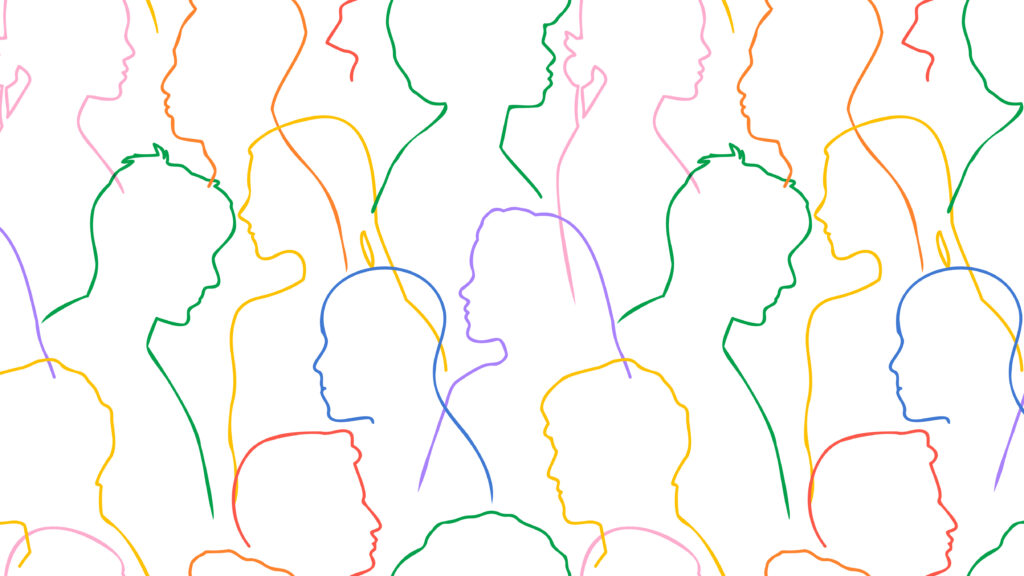
The neurodiversity movement is gaining significant traction, fostering discussions about the experiences of individuals with varying neurological conditions such as autism and ADHD. This shift, largely propelled by social media, is encouraging greater understanding and acceptance of neurodiverse individuals, highlighting their daily challenges and capabilities. However, as the movement grows, it faces critical challenges related to its definitions and the language used to describe its core concepts.
Advocates for neurodiversity emphasize the idea that neurological differences should not be viewed as deficits but rather as part of the natural spectrum of human diversity. As videos and posts by neurodivergent influencers spread across platforms, many viewers find reflections of their own experiences. These influencers are becoming more confident and articulate, leading to a broader dissemination of knowledge about neurodiversity.
Yet, the movement’s reliance on vague terminology raises concerns. The term “neurodiversity” itself implies a distinction between those identified as neurodivergent and those who are not, often termed neurotypicals. This binary classification can be limiting and may inadvertently exclude the complexity of individual neurological variations. According to science writer Jack Pemment, such language can leave the movement vulnerable to criticism if advocates are unable to provide clear, credible explanations.
Understanding the Complexity of Neurodiversity
The foundational principle of neurodiversity suggests that everyone is neurologically unique, challenging the notion of a “typical” brain. This raises an important question: if everyone is neurodivergent to some extent, how does the movement maintain its definition? Pemment highlights that acknowledging the spectrum of neurological differences within neurotypicals could lead to a dilution of the movement’s identity.
This concept parallels other medical conditions where diversity is the norm. Just as individuals experience a variety of somatic conditions—such as allergies or asthma—neurodiversity exists within all populations. The challenge for advocates lies in effectively communicating this complexity while maintaining focus on the rights and needs of those who identify as neurodivergent.
As more individuals recognize neurodiverse traits within themselves, the dynamics of the movement may shift. If neurodivergent individuals transition from being perceived as a minority to a majority, the foundational narrative of the movement will inevitably evolve. Pemment notes that the ultimate goal of any social movement should be equality and the recognition that no one group is “normal.”
The Future of Neurodiversity Advocacy
The neurodiversity movement stands at a crossroads. It has the potential to foster greater acceptance and understanding, but it must also address the inherent complexities of its definitions. Advocates need to be prepared to engage with critiques and provide robust, nuanced responses to sustain momentum.
The ongoing discourse around neurodiversity is a vital part of societal progress. As awareness increases, the movement could encourage a more inclusive environment for all individuals, regardless of neurological differences. Pemment asserts that the true celebration of diversity will come when society recognizes the absence of a “typical” standard, paving the way for broader acceptance of personality and behavioral variations.
In summary, the neurodiversity movement is evolving, driven by a surge in visibility and advocacy. As it navigates the complexities of language and identity, its success will depend on how well it can articulate its principles and adapt to the changing landscape of social understanding.

Sister Steps In to Buy Brother’s House Amid Financial Crisis

Urgent: Santa Claus Arrested for Alleged Child Abuse in Brazil

Boulder Faces Crisis: Rising Costs and Controversial Honors Spark Outrage

Wolves Attack: Nine Killed in Recent Spate of Incidents in India

Quadrature Capital Reduces Merck Holdings by 87.8% Amid Market Shifts

Discover the Top 5 Must-Watch Netflix Shows from December 1–7, 2025

Research Reveals Early Movements May Alleviate Back Pain

Community Mourns the Passing of Susan Kay Duncan, 74

Fisher Asset Management Boosts Alibaba Stake by 390,883 Shares

Inventor Achieves Breakthrough with 2 Billion FPS Laser Video

Community Unites for 7th Annual Into the Light Walk for Mental Health

Charlie Sheen’s New Romance: ‘Glowing’ with Younger Partner

Dua Lipa Aces GCSE Spanish, Sparks Super Bowl Buzz with Fans

Mother Fights to Reunite with Children After Kidnapping in New Drama

Former Mozilla CMO Launches AI-Driven Cannabis Cocktail Brand Fast

Tyler Technologies Set to Reveal Q3 Earnings on October 22

Curium Group, PeptiDream, and PDRadiopharma Launch Key Cancer Trial

Israel Reopens Rafah Crossing After Hostage Remains Returned
-
 Science1 month ago
Inventor Achieves Breakthrough with 2 Billion FPS Laser Video
-
 Health2 months ago
Community Unites for 7th Annual Into the Light Walk for Mental Health
-
 Top Stories2 months ago
Charlie Sheen’s New Romance: ‘Glowing’ with Younger Partner
-
 Entertainment2 months ago
Dua Lipa Aces GCSE Spanish, Sparks Super Bowl Buzz with Fans
-
 Entertainment2 months ago
Mother Fights to Reunite with Children After Kidnapping in New Drama
-
 Top Stories1 month ago
Former Mozilla CMO Launches AI-Driven Cannabis Cocktail Brand Fast
-
 Business2 months ago
Tyler Technologies Set to Reveal Q3 Earnings on October 22
-
 Health2 months ago
Curium Group, PeptiDream, and PDRadiopharma Launch Key Cancer Trial
-
 World2 months ago
Israel Reopens Rafah Crossing After Hostage Remains Returned
-

 World2 months ago
R&B Icon D’Angelo Dies at 51, Leaving Lasting Legacy
-

 Health2 months ago
North Carolina’s Biotech Boom: Billions in New Investments
-
 Entertainment2 months ago
Red Sox’s Bregman to Become Free Agent; Tigers Commit to Skubal