
Health
Stanford’s New Wearable Enhances Focus, Offers Hope for ADHD

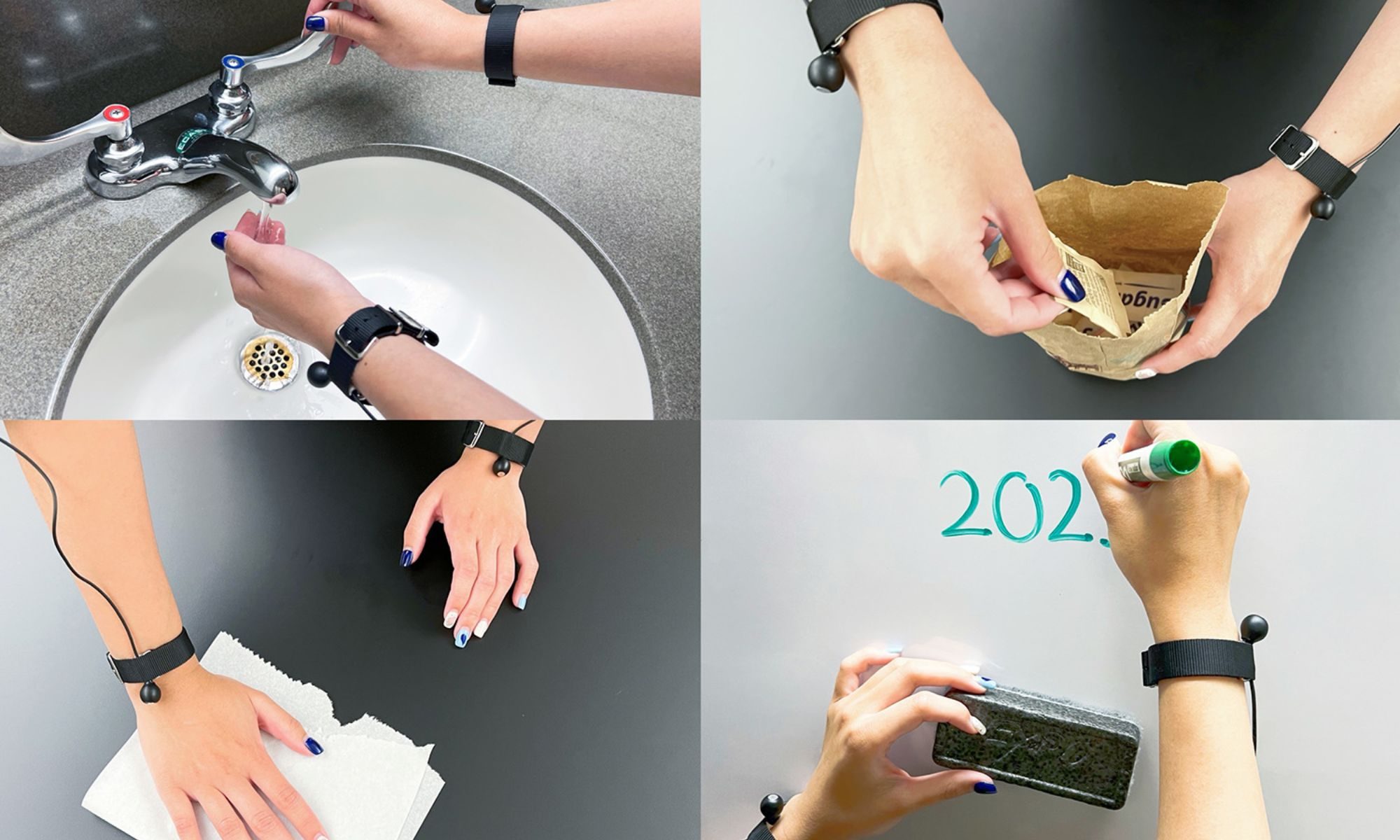
Researchers at Stanford University have developed an innovative wearable device aimed at improving focus and mindfulness. Unlike traditional mindfulness tools that require guided meditation or screen interaction, this device amplifies subtle sounds from everyday life, helping users remain present. By capturing sounds such as the friction of hands or the rustle of clothing, it enhances these sensory experiences and delivers them through earbuds in real time.
The device comprises two wrist straps equipped with microphones that detect the sounds generated by users as they engage with their environment. This approach aims to sharpen users’ awareness of their surroundings rather than immerse them in a virtual reality. According to Sean Follmer, the director of the lab behind the project, “Our goal was to help people notice the moments where they usually drift off into their phones.”
Yujie Tao, the lead researcher, emphasizes that many mindfulness tools depend on verbal instructions. In contrast, this device leverages natural sensory cues to redirect attention back to immediate tasks, a method that holds particular promise for individuals managing ADHD.
Research Findings Highlight Potential Benefits
Initial studies involving 60 participants have yielded encouraging results. Those using the audio-enhancing device demonstrated significantly higher scores on mindfulness assessments and engaged more deeply with their surroundings compared to those without it. Participants displayed noticeable behavioral changes, such as slowing down, experimenting with their environment, and paying closer attention to details they typically overlooked.
Even established mindfulness coaches have expressed admiration for the device’s effects. One coach described the experience as “safe and intimate,” while another noted it helped them “fall in love with the world again.” These findings signify that instead of combating distractions with digital tools that add more noise, this wearable uses real-world sounds as a stabilizing anchor for users.
Future Directions: Clinical Applications and Integration
The research team at Stanford is not resting on their initial success. Plans are underway for long-term studies to explore how prolonged use of the device may impact anxiety levels and emotional regulation. There is also interest in integrating this technology into therapeutic settings and support programs for individuals with ADHD.
“The potential is huge,” Tao states. “This could help people reconnect with their environment – and with themselves.” As the Stanford team continues to investigate the possibilities of this wearable, they hope to provide new tools for those seeking to enhance their focus and mindfulness in an increasingly distracting world.

Broadway’s “Marjorie Prime” Explores AI’s Dark Future Now

Boone Declares Yankees’ Gap with Blue Jays Narrow After Playoff Loss

Discovery Star Bear Brown Hints at Alaskan Bush People Return

Judge Upholds Move-Out Deadline for Chicago Tenants Amid Crisis

Top Cannabis Products to Enhance Your Holiday Gatherings NOW

Clackamas County Deputies Shoot Man Wielding Axe, Identified

Luke Combs Unveils ‘My Kinda Saturday Night’ World Tour for 2026

Avrupa Minerals Shares Surge 25% – Is It Time to Invest?

New York Launches “Don’t Be Salty” Campaign to Curb Road Salt Use

Inventor Achieves Breakthrough with 2 Billion FPS Laser Video

Community Unites for 7th Annual Into the Light Walk for Mental Health

Charlie Sheen’s New Romance: ‘Glowing’ with Younger Partner

Dua Lipa Aces GCSE Spanish, Sparks Super Bowl Buzz with Fans

Curium Group, PeptiDream, and PDRadiopharma Launch Key Cancer Trial

Former Mozilla CMO Launches AI-Driven Cannabis Cocktail Brand Fast

Mother Fights to Reunite with Children After Kidnapping in New Drama

Israel Reopens Rafah Crossing After Hostage Remains Returned

Tyler Technologies Set to Reveal Q3 Earnings on October 22
-
 Science2 months ago
Inventor Achieves Breakthrough with 2 Billion FPS Laser Video
-
 Health2 months ago
Community Unites for 7th Annual Into the Light Walk for Mental Health
-
 Top Stories2 months ago
Charlie Sheen’s New Romance: ‘Glowing’ with Younger Partner
-
 Entertainment2 months ago
Dua Lipa Aces GCSE Spanish, Sparks Super Bowl Buzz with Fans
-
 Health2 months ago
Curium Group, PeptiDream, and PDRadiopharma Launch Key Cancer Trial
-
 Top Stories2 months ago
Former Mozilla CMO Launches AI-Driven Cannabis Cocktail Brand Fast
-
 Entertainment2 months ago
Mother Fights to Reunite with Children After Kidnapping in New Drama
-
 World2 months ago
Israel Reopens Rafah Crossing After Hostage Remains Returned
-
 Business2 months ago
Tyler Technologies Set to Reveal Q3 Earnings on October 22
-

 World2 months ago
R&B Icon D’Angelo Dies at 51, Leaving Lasting Legacy
-

 Health2 months ago
North Carolina’s Biotech Boom: Billions in New Investments
-

 Health2 months ago
YouTube Launches New Mental Health Tools for Teen Users