
Health
Study Shows Mismatched Stem Cell Transplants Can Boost Survival Rates

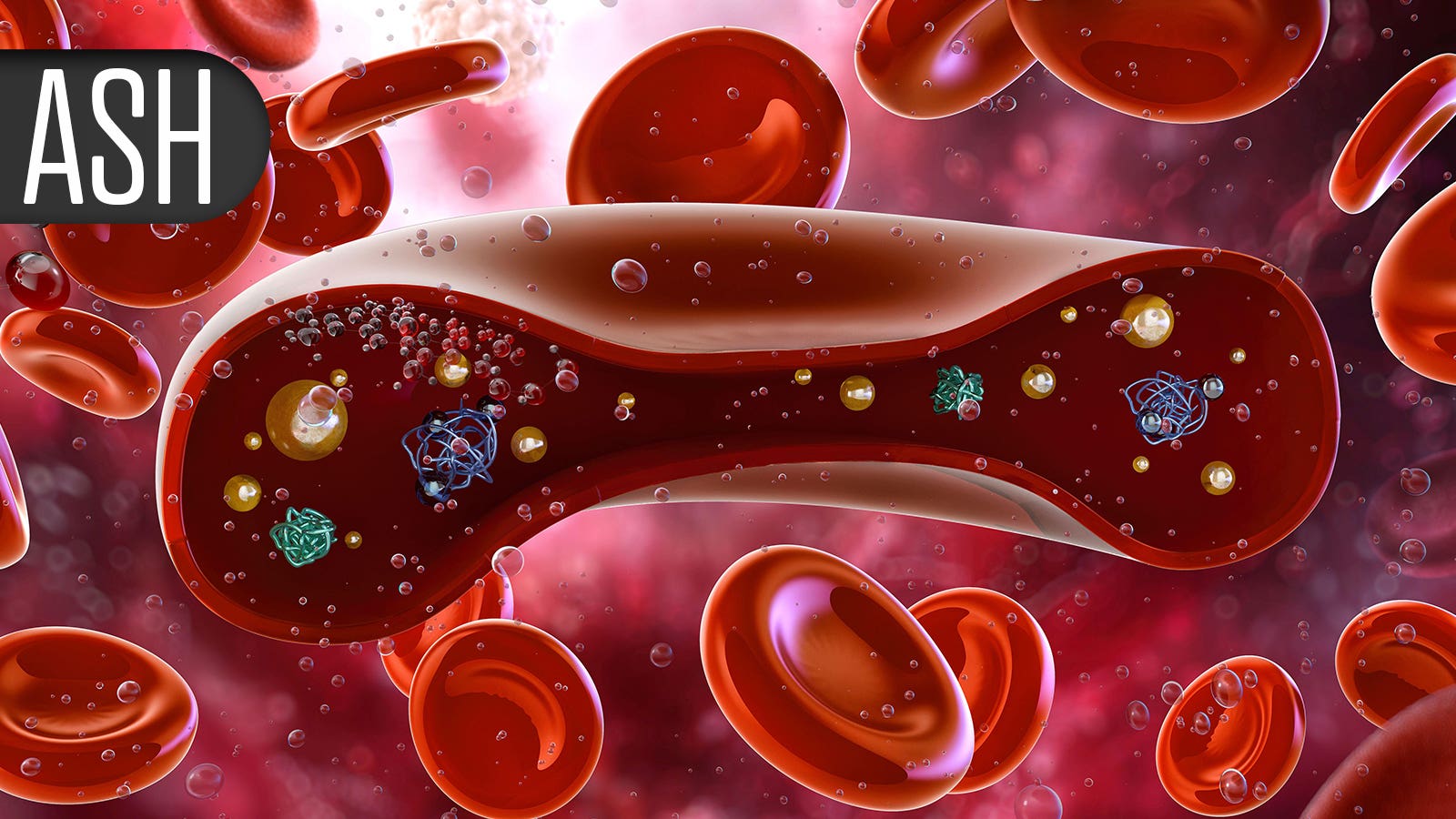
New research presented at the American Society of Hematology (ASH) annual meeting indicates that stem-cell transplants from mismatched unrelated donors (MMUDs) can achieve comparable 1-year survival rates to those from better-matched donors. This finding suggests a significant opportunity to widen the donor pool for patients in need of hematopoietic cell transplants.
The study, led by Antonio Jimenez Jimenez, MD, of the University of Miami Sylvester Comprehensive Cancer Center, shows that patients receiving transplants with less than a 7 out of 8 human leukocyte antigen (HLA) match experienced a 1-year survival rate of 85.6%, compared to 78.6% for those with better-matched donors. Furthermore, the rates of graft-versus-host disease (GVHD), graft failure, relapse, and non-relapse mortality did not differ significantly between the two groups.
In a separate analysis involving over 2,400 patients who lacked 8/8 donor matches, all participants had access to multiple donors from the <7/8 donor pool. Jimenez Jimenez stated, “We have shown that outcomes with less than seven out of eight grafts, using post-transplant cyclophosphamide (PTCy), appear to be comparable to 7/8 matches.”
The implications of these findings are profound. Expanding the donor pool to include all levels of mismatched donors could facilitate near-universal access to transplants, regardless of race or ethnicity, while optimizing other non-HLA donor factors. This expanded access is crucial, as emphasized by Wendy Stock, MD, of the University of Chicago, who noted that the findings are encouraging in the context of addressing the ongoing challenge of finding suitable donors for all patients.
The study highlights the historical challenges associated with HLA-mismatched transplants, which have often resulted in poor outcomes. Previous research indicated a stark decline in survival rates, with only 63% overall survival for 8/8 matched donors dropping to 39% for 6/8 matches. Jimenez Jimenez’s work aims to shift this narrative by demonstrating that less-than-perfect matches can yield similar outcomes under the right conditions.
The ACCESS study enrolled adult patients with hematologic malignancies who required a transplant and had a donor match ranging from 4/8 to 7/8. Patients with a suitable 8/8 HLA-matched donor were excluded. The analysis involved 278 patients, stratified by conditioning type and match quality. Notably, the <7/8 group was younger and included a higher percentage of racial and ethnic minorities compared to the 7/8 group. The primary objective was to demonstrate non-inferiority of <7/8 MMUD transplants in terms of 1-year overall survival. The results exceeded expectations, showing a trend toward improved overall survival rates for the <7/8 group. Secondary outcomes, such as GVHD-free and relapse-free survival rates, also indicated that <7/8 matches performed at least as well as their better-matched counterparts. The findings were underscored by Jimenez Jimenez’s analysis of global registry data, which revealed that all patients without potential 8/8 matches had access to multiple <7/8 donors. He noted that decreasing the HLA match requirement significantly increases the number of available donors, enhancing access and equity in transplantation. While the study’s results are promising, the use of PTCy, which has been described as a "game changer" in the field, is not without risks. Stock acknowledged its potential but cautioned that it requires careful management due to the associated toxicity, especially in older patients. Ongoing research, including the OPTIMIZE trial, will investigate whether lower doses of PTCy can maintain transplant efficacy while reducing side effects. The OPTIMIZE trial specifically aims to assess the impact of a 50% reduction in PTCy dosage on toxicity and efficacy, with early endpoints focusing on infection-free survival rates. Findings from this trial may further refine the approach to donor matching and post-transplant care, ultimately improving patient outcomes.
As the field of stem cell transplantation evolves, the implications of these findings could reshape the landscape of donor matching, expanding opportunities for many patients who currently face challenges in finding suitable matches. The potential for PTCy to facilitate this change underscores the need for continued research and innovation in transplantation practices.

Macron Warns of Tariffs on China in Urgent Trade Stand-off

AM4 Gaming Combos Break Through 2026 Hardware Barriers Now

Walmart Slashes Price on 32-Piece Cookware Set to $79 NOW!

Kremlin Praises Trump’s “Strong” Strategy Amid Ukraine Talks

Create Gourmet Meals at Home with Affordable Pantry Staples

EUR/USD Holds Steady at 1.1650 Amid US Data and ECB Concerns

Six Spicy Book Adaptations Set to Heat Up Your Screens

Virtual Program Targets Lymphoma Treatment Side Effects

Jabari Walker Embraces Veteran Influence with Sixers

Inventor Achieves Breakthrough with 2 Billion FPS Laser Video

Community Unites for 7th Annual Into the Light Walk for Mental Health

Charlie Sheen’s New Romance: ‘Glowing’ with Younger Partner

Dua Lipa Aces GCSE Spanish, Sparks Super Bowl Buzz with Fans

Curium Group, PeptiDream, and PDRadiopharma Launch Key Cancer Trial

Former Mozilla CMO Launches AI-Driven Cannabis Cocktail Brand Fast

Mother Fights to Reunite with Children After Kidnapping in New Drama

Israel Reopens Rafah Crossing After Hostage Remains Returned

Tyler Technologies Set to Reveal Q3 Earnings on October 22
-
 Science2 months ago
Inventor Achieves Breakthrough with 2 Billion FPS Laser Video
-
 Health2 months ago
Community Unites for 7th Annual Into the Light Walk for Mental Health
-
 Top Stories2 months ago
Charlie Sheen’s New Romance: ‘Glowing’ with Younger Partner
-
 Entertainment2 months ago
Dua Lipa Aces GCSE Spanish, Sparks Super Bowl Buzz with Fans
-
 Health2 months ago
Curium Group, PeptiDream, and PDRadiopharma Launch Key Cancer Trial
-
 Top Stories2 months ago
Former Mozilla CMO Launches AI-Driven Cannabis Cocktail Brand Fast
-
 Entertainment2 months ago
Mother Fights to Reunite with Children After Kidnapping in New Drama
-
 World2 months ago
Israel Reopens Rafah Crossing After Hostage Remains Returned
-
 Business2 months ago
Tyler Technologies Set to Reveal Q3 Earnings on October 22
-

 World2 months ago
R&B Icon D’Angelo Dies at 51, Leaving Lasting Legacy
-

 Health2 months ago
North Carolina’s Biotech Boom: Billions in New Investments
-
 Entertainment2 months ago
Red Sox’s Bregman to Become Free Agent; Tigers Commit to Skubal