
Politics
Majority of Massachusetts Parents Support Proposed Cellphone Ban

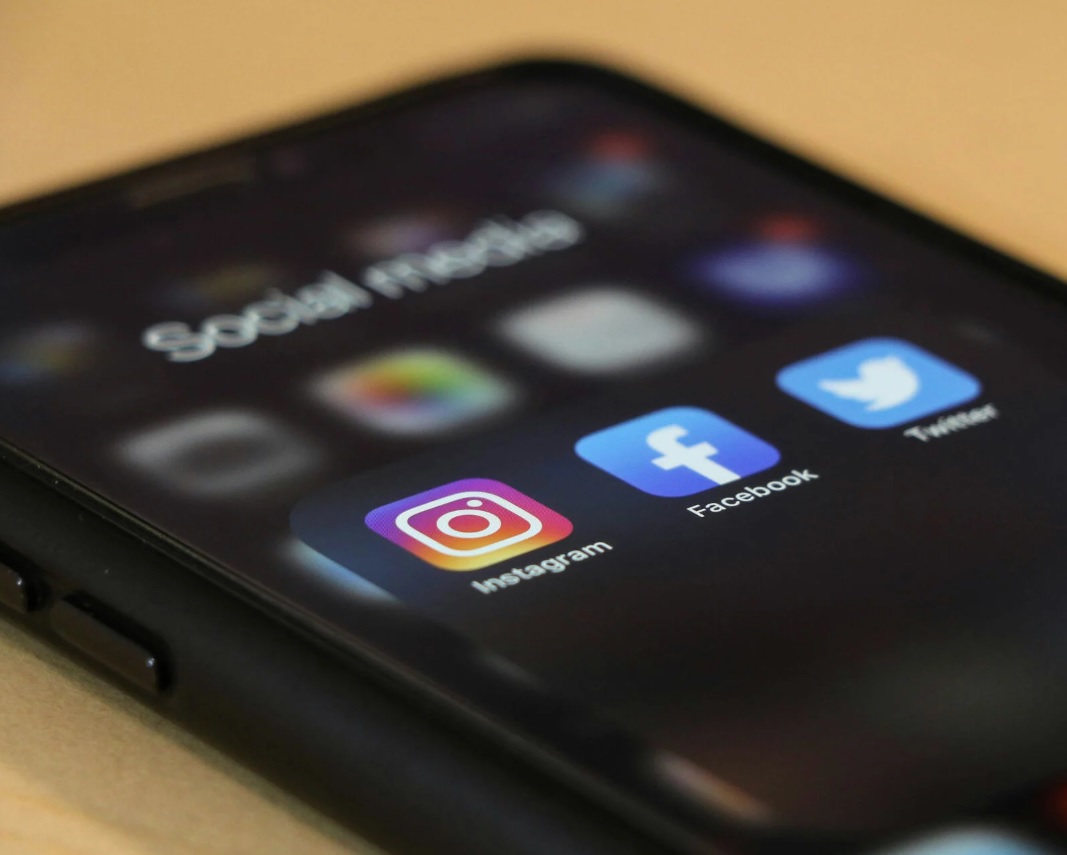
A recent poll indicates strong support among Massachusetts parents for a proposed ban on cellphone use by students in public schools. According to a survey conducted by the MassINC Polling Group for The Education Trust, approximately 66% of parents with children in grades 6-12 favor legislation that would prohibit students from possessing cellphones or other electronic devices during the entire school day. Notably, 40% of those parents expressed strong support for the measure.
While the backing for this ban is significant, many parents have voiced concerns regarding communication during school hours. In the same poll, 63% of respondents indicated they want clear guidelines on how to contact their children if necessary, and 49% requested a comprehensive explanation of the policy, including any potential exceptions. The survey involved 1,351 parents of K-12 students, highlighting a pervasive issue affecting many families, especially since 88% of older students reportedly own a cellphone or smartwatch.
Support for the ban spans diverse demographics, with the highest endorsement coming from white parents (41%) and Asian American and Pacific Islander parents (48%). Other groups demonstrating strong support include fathers (46%), parents over the age of 45 (47%), those with a college degree or higher (46%), and households earning more than $75,000 annually (45%).
In September, MassINC also conducted a focus group with parents of middle- and high-school students. Participants largely agreed on the necessity to limit classroom distractions, while also expressing concerns about safety and communication in emergencies. Many noted that their children often rely on phones for coordinating transportation, accessing mental health support, and addressing bullying situations.
Legislative Progress and Broader Context
The Massachusetts Senate has already moved forward with a proposed “bell-to-bell” ban (S 2561). This legislation, which would take effect in the 2026-27 academic year, aims to restrict personal electronic devices during school hours. Proponents argue that the ban would reduce distractions, enhance academic performance, diminish cyberbullying, and promote social interaction among students.
Senate President Karen E. Spilka stated, “Massachusetts has a proud history of supporting and uplifting K-12 public education for our residents, but a device small enough to fit in a pocket presents a profound challenge to ensuring student success.” The bill is now awaiting consideration from the House of Representatives, where House Budget Chairman Aaron Michlewitz has indicated a willingness to discuss the measure. House Speaker Ron Mariano, a former educator, acknowledges the disruptive nature of phones in schools while also recognizing parental concerns about maintaining contact with children during emergencies.
If the legislation is approved and signed into law, Massachusetts would join a growing number of states that have enacted cellphone bans during school hours. Currently, 32 states, along with Washington, D.C., and the Virgin Islands, have laws or policies regulating K-12 cellphone usage. Notably, 21 states have implemented a complete ban on wireless communication devices, including personal phones and tablets.
New Hampshire is among the latest states to adopt such measures, with Governor Kelly Ayotte signing a similar “bell-to-bell” ban in June. This law prohibits student use of personal devices from the start to the end of the school day, allowing for exceptions related to medical or disability needs.
Health Concerns and Future Implications
Health experts have raised concerns about the potential physical and behavioral risks associated with prolonged cellphone use among adolescents. In academic settings, distractions from cellphones can undermine students’ focus, making it challenging to grasp complex subject matter.
With the increasing acknowledgment of these concerns, it appears timely for Massachusetts to consider implementing a cellphone ban during school hours. Such a move should be accompanied by clear policies addressing educational needs and parental access. As the House leadership prepares to deliberate, there is a strong case for expediting the process and sending this important legislation to the governor for approval.

Trump’s Pardon of Cuellar Sparks Outcry Over Justice Erosion

Urgent Debate Erupts Over Dallas City Hall’s Future Amid Calls to Sell

Urgent Advice: Navigating Friendships and Holiday Gift Dilemmas

Woman Struggles with Returning to Church After 15-Year Hiatus

Majority of Massachusetts Parents Support Proposed Cellphone Ban

Mars Missions Impacted by Time Dilation: An In-Depth Analysis

West Rowan Falcons Remain Undefeated with 51-43 Win Over Statesville

Victorian Premier Issues Historic Apology to First Peoples

iShares iBonds Dec 2026 ETF Sees Mid-Day Trading Surge

Inventor Achieves Breakthrough with 2 Billion FPS Laser Video

Community Unites for 7th Annual Into the Light Walk for Mental Health

Charlie Sheen’s New Romance: ‘Glowing’ with Younger Partner

Dua Lipa Aces GCSE Spanish, Sparks Super Bowl Buzz with Fans

Curium Group, PeptiDream, and PDRadiopharma Launch Key Cancer Trial

Former Mozilla CMO Launches AI-Driven Cannabis Cocktail Brand Fast

Mother Fights to Reunite with Children After Kidnapping in New Drama

Israel Reopens Rafah Crossing After Hostage Remains Returned

Tyler Technologies Set to Reveal Q3 Earnings on October 22
-
 Science2 months ago
Inventor Achieves Breakthrough with 2 Billion FPS Laser Video
-
 Health2 months ago
Community Unites for 7th Annual Into the Light Walk for Mental Health
-
 Top Stories2 months ago
Charlie Sheen’s New Romance: ‘Glowing’ with Younger Partner
-
 Entertainment2 months ago
Dua Lipa Aces GCSE Spanish, Sparks Super Bowl Buzz with Fans
-
 Health2 months ago
Curium Group, PeptiDream, and PDRadiopharma Launch Key Cancer Trial
-
 Top Stories2 months ago
Former Mozilla CMO Launches AI-Driven Cannabis Cocktail Brand Fast
-
 Entertainment2 months ago
Mother Fights to Reunite with Children After Kidnapping in New Drama
-
 World2 months ago
Israel Reopens Rafah Crossing After Hostage Remains Returned
-
 Business2 months ago
Tyler Technologies Set to Reveal Q3 Earnings on October 22
-

 World2 months ago
R&B Icon D’Angelo Dies at 51, Leaving Lasting Legacy
-

 Health2 months ago
North Carolina’s Biotech Boom: Billions in New Investments
-

 Health2 months ago
YouTube Launches New Mental Health Tools for Teen Users