
Politics
Trump Declares Venezuelan Airspace Closed, Provokes International Tensions

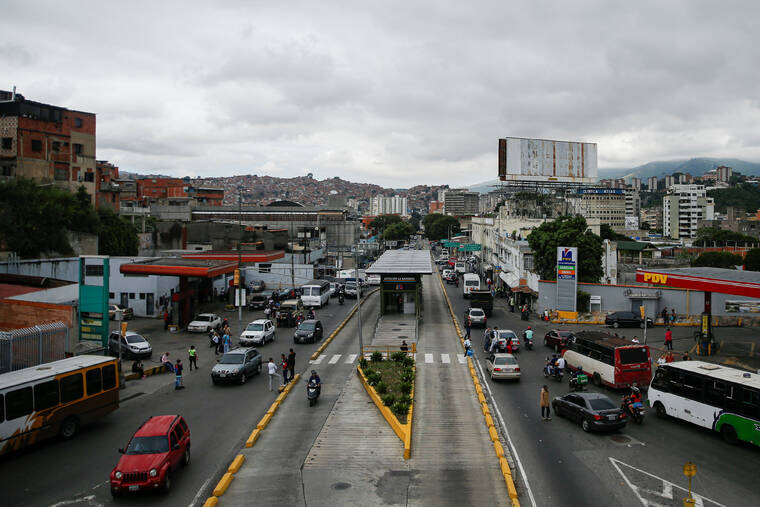
President Donald Trump announced on March 15, 2024, that the airspace above and surrounding Venezuela is now considered “closed in its entirety.” This declaration, made via a post on Truth Social, has raised significant concerns both in Caracas and within U.S. government circles. The announcement comes amid intensifying pressure on President Nicolás Maduro‘s administration, which has been accused by the U.S. of involvement in drug trafficking.
In his statement, Trump directed airlines, pilots, and even those involved in illicit activities to regard the airspace as closed. U.S. officials, however, expressed surprise at the announcement, indicating they were unaware of any military operations planned to enforce this closure. The Pentagon did not respond to requests for comment, and the White House has yet to provide further clarification.
Venezuelan Government Responds
The Venezuelan government swiftly condemned Trump’s remarks, labeling them a “colonialist threat” to the country’s sovereignty. This sentiment reflects long-standing tensions between Caracas and Washington, further exacerbated by Trump’s recent military comments regarding Venezuelan drug traffickers.
Retired Lieutenant General David Deptula, who previously commanded a no-fly zone over Iraq, described Trump’s announcement as vague, stating, “The devil’s in the details.” He pointed out that imposing a no-fly zone over Venezuela would require substantial resources and planning, depending on the intended objectives.
The Trump administration has been exploring various options to counter what it views as Maduro’s role in the drug trade, which it claims has contributed to the deaths of Americans. Maduro, who has held power since 2013, has consistently denied any involvement in drug trafficking, asserting that the U.S. is attempting to orchestrate a coup against his government.
Local Impact and International Concerns
Residents in Caracas expressed frustration over the implications of Trump’s declaration. Manuel Romero, a cooking assistant, stated, “I think it’s unfair because people need to travel to work, to do business, to see their family, and us Venezuelans aren’t at fault for these situations.” Similarly, lawyer Carmen Castillo voiced her concern that the announcement may hinder holiday travel for many families.
Venezuelan officials have been vocal in their criticisms of U.S. actions, describing them as imperialist. Notably, while the government has condemned U.S. interventions, it has refrained from explicitly naming Trump in its rhetoric, possibly indicating a desire to de-escalate tensions. Previously, U.S. Secretary of State Marco Rubio had been the primary target of Venezuelan ire.
In response to U.S. military operations and heightened surveillance in the region, local authorities in the northeastern state of Sucre have intensified patrols, creating a climate of fear among residents. Reports indicate that GPS signals in Venezuela have been disrupted amid the U.S. military buildup, further complicating the already tense situation.
The announcement regarding Venezuelan airspace followed a warning from the U.S. Federal Aviation Administration (FAA) that major airlines could face a “potentially hazardous situation” when flying over the country due to increased military activity. Following this advisory, Venezuela revoked operating rights for six international airlines that had suspended flights in response to the FAA’s warning.
As the situation develops, the international community watches closely. Trump’s declaration and the ensuing reactions highlight the fragile state of relations between the U.S. and Venezuela, and the broader implications for regional stability are yet to be fully understood.

Brock Purdy Shines with Hip-Hop Flair in 49ers’ 26-8 Win

Repurposed Drug Shows Promise in Reversing Alzheimer’s in Mice

Rams Suffer Humbling Loss, Fall from NFC’s Top Position

Trump Promises to Release MRI Results from October Scan

Tracy Davidson Transitions to Motivational Speaking After TV Career

Short-Term Nitrous Oxide Treatment Shows Promise for Depression

South Korea Urgently Strengthens FX Oversight Amid Volatility

Poughkeepsie Residents Outraged by ‘X-Rated’ Christmas Lights

Urgent Cyber Monday Mattress Deals: Save Up to 59% Today!

Inventor Achieves Breakthrough with 2 Billion FPS Laser Video

Community Unites for 7th Annual Into the Light Walk for Mental Health

Charlie Sheen’s New Romance: ‘Glowing’ with Younger Partner

Dua Lipa Aces GCSE Spanish, Sparks Super Bowl Buzz with Fans

Mother Fights to Reunite with Children After Kidnapping in New Drama

Former Mozilla CMO Launches AI-Driven Cannabis Cocktail Brand Fast

Curium Group, PeptiDream, and PDRadiopharma Launch Key Cancer Trial

Tyler Technologies Set to Reveal Q3 Earnings on October 22

Israel Reopens Rafah Crossing After Hostage Remains Returned
-
 Science1 month ago
Inventor Achieves Breakthrough with 2 Billion FPS Laser Video
-
 Health2 months ago
Community Unites for 7th Annual Into the Light Walk for Mental Health
-
 Top Stories2 months ago
Charlie Sheen’s New Romance: ‘Glowing’ with Younger Partner
-
 Entertainment2 months ago
Dua Lipa Aces GCSE Spanish, Sparks Super Bowl Buzz with Fans
-
 Entertainment2 months ago
Mother Fights to Reunite with Children After Kidnapping in New Drama
-
 Top Stories1 month ago
Former Mozilla CMO Launches AI-Driven Cannabis Cocktail Brand Fast
-
 Health2 months ago
Curium Group, PeptiDream, and PDRadiopharma Launch Key Cancer Trial
-
 Business2 months ago
Tyler Technologies Set to Reveal Q3 Earnings on October 22
-
 World2 months ago
Israel Reopens Rafah Crossing After Hostage Remains Returned
-

 Health2 months ago
North Carolina’s Biotech Boom: Billions in New Investments
-

 World2 months ago
R&B Icon D’Angelo Dies at 51, Leaving Lasting Legacy
-

 Entertainment2 months ago
Red Sox’s Bregman to Become Free Agent; Tigers Commit to Skubal