
Science
Alaskan Rivers Bright Orange as Thawing Permafrost Releases Rust

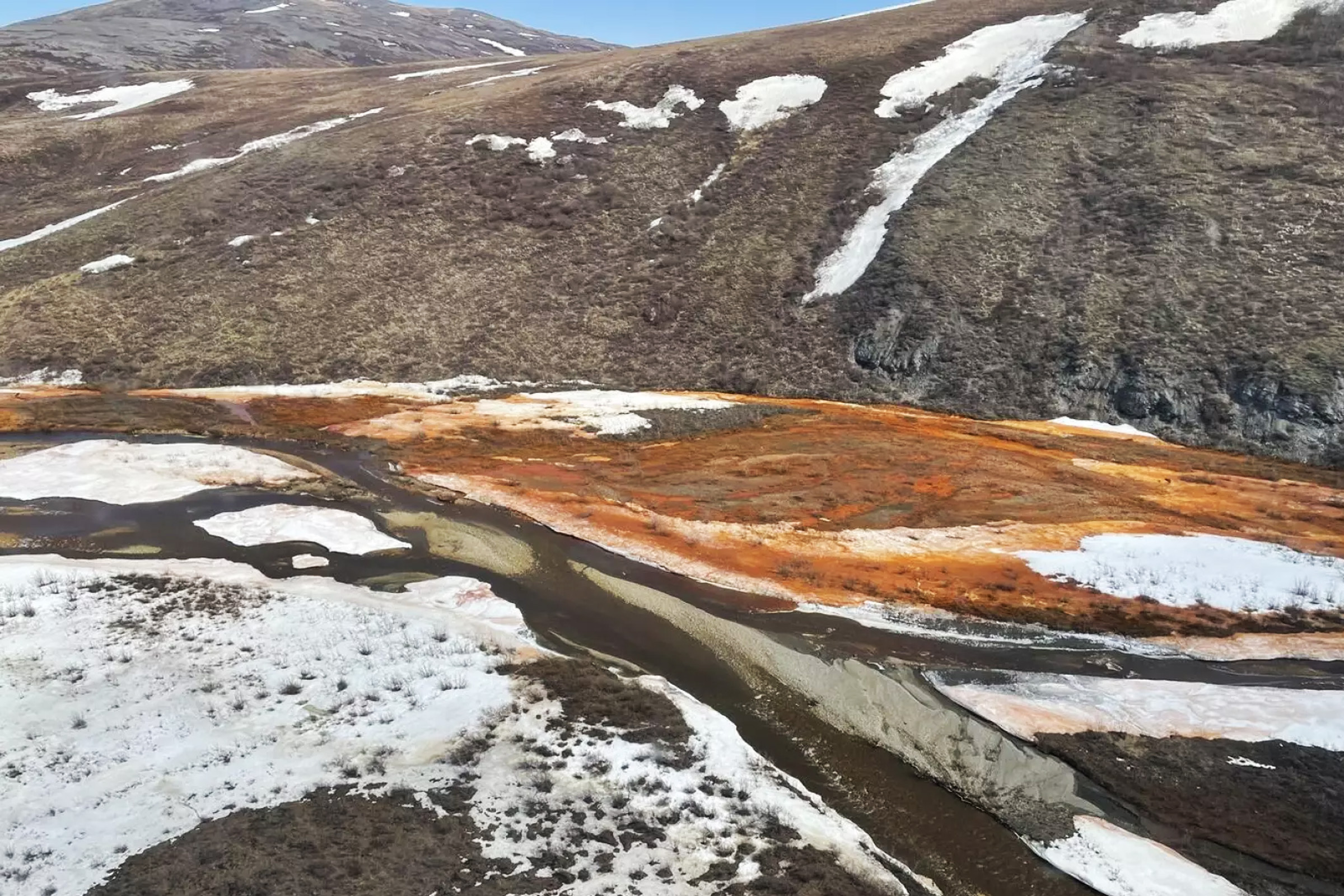
Rivers and streams across Alaska are turning a striking orange color this year, a phenomenon linked to the thawing of permafrost rather than local pollution. According to scientists from the National Oceanic and Atmospheric Administration (NOAA), the vivid hue is a result of rust released from the ground as temperatures rise due to climate change. This change is not only alarming for the state’s ecosystem but also poses risks to local wildlife and fisheries.
The orange tint is a stark indicator of the accelerated warming in the Arctic, which is occurring at a rate several times faster than the global average. This alarming trend has been highlighted in NOAA’s annual report, which details the impacts of climate change in the region. As temperatures rise, the melting of the permafrost releases iron from the soil, which oxidizes when exposed to water and air, leading to the discoloration of waterways.
Impact on the Environment and Communities
Matthew Druckenmiller, a senior scientist at the National Snow and Ice Data Center in Boulder, Colorado, emphasized the broader implications: “When the Arctic thaws and warms, it’s having an impact on the global climate.” He noted that the ongoing defrosting is expected to disrupt weather patterns and contribute to rising sea levels. The consequences of these changes are already evident, with increasing occurrences of extreme weather and forest fires worldwide.
Residents in Alaska began reporting the orange coloration in rivers as early as 2018. According to Josh Koch, a research hydrologist with the US Geological Survey, the observations have come from various locals, including pilots and park visitors. The rust phenomenon is extensive, affecting hundreds of miles of terrain.
While scientists are closely monitoring the situation, it remains uncertain whether the orange water is directly harming local communities. The increased acidity in the water poses potential threats to fish populations, particularly the Dolly Varden char, whose juvenile numbers have sharply declined, likely due to high iron levels in their habitat. Druckenmiller stressed that the health of local ecosystems is crucial: “The food chain is connected to the lives of people living in the Arctic.”
Looking Ahead
As Alaska’s rivers continue to display these alarming changes, the implications for both the environment and the communities that depend on these waterways could be profound. The ongoing research by NOAA and other organizations aims to provide clarity on the situation and its potential impacts.
The bright orange rivers serve as a visual reminder of the urgent need to address climate change and its far-reaching effects on our planet. As scientists gather more data, understanding the full extent of these changes will be vital for the future of Alaska and its ecosystems.

Draymond Green Ejected in Urgent Clash Against Suns

Packers QB Jordan Love Injured After Head Hit, Evaluated for Concussion

Developers Shift to Podman for Enhanced Container Management

Ohio Doctor Charged with Forcing Abortion Pill on Girlfriend

UPS Essential for Your Home Server: Protect Data Now!

U.S. Seizes Oil Tanker Near Venezuela in Major Escalation

DIY Tech Enthusiast Creates Skylight Calendar Clone for Family

Trump Declares Naval Blockade on Venezuela, Igniting Constitutional Debate

BMW Shares Surge Past 200-Day Moving Average on Strong Trading Day

Inventor Achieves Breakthrough with 2 Billion FPS Laser Video

Community Unites for 7th Annual Into the Light Walk for Mental Health

Charlie Sheen’s New Romance: ‘Glowing’ with Younger Partner

Dua Lipa Aces GCSE Spanish, Sparks Super Bowl Buzz with Fans

Curium Group, PeptiDream, and PDRadiopharma Launch Key Cancer Trial

Former Mozilla CMO Launches AI-Driven Cannabis Cocktail Brand Fast

Mother Fights to Reunite with Children After Kidnapping in New Drama

R&B Icon D’Angelo Dies at 51, Leaving Lasting Legacy

Israel Reopens Rafah Crossing After Hostage Remains Returned
-
 Science2 months ago
Inventor Achieves Breakthrough with 2 Billion FPS Laser Video
-
 Health2 months ago
Community Unites for 7th Annual Into the Light Walk for Mental Health
-
 Top Stories2 months ago
Charlie Sheen’s New Romance: ‘Glowing’ with Younger Partner
-
 Entertainment2 months ago
Dua Lipa Aces GCSE Spanish, Sparks Super Bowl Buzz with Fans
-
 Health2 months ago
Curium Group, PeptiDream, and PDRadiopharma Launch Key Cancer Trial
-
 Top Stories2 months ago
Former Mozilla CMO Launches AI-Driven Cannabis Cocktail Brand Fast
-
 Entertainment2 months ago
Mother Fights to Reunite with Children After Kidnapping in New Drama
-
 World2 months ago
R&B Icon D’Angelo Dies at 51, Leaving Lasting Legacy
-
 World2 months ago
Israel Reopens Rafah Crossing After Hostage Remains Returned
-

 Business2 months ago
Tyler Technologies Set to Reveal Q3 Earnings on October 22
-

 Health2 months ago
YouTube Launches New Mental Health Tools for Teen Users
-

 Entertainment2 months ago
Red Sox’s Bregman to Become Free Agent; Tigers Commit to Skubal