
Science
Ancient DNA Reveals True Identity of ‘First Black Briton’

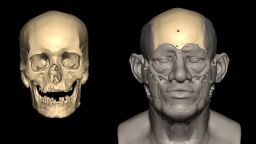
New advances in ancient DNA technology have rewritten the story of the individual previously identified as the first known Black Briton. Dubbed the Beachy Head Woman, her remains, discovered in 2012 at Eastbourne Town Hall in southern England, were long believed to belong to a woman from sub-Saharan Africa. However, a recent study published in the Journal of Archaeological Science reveals she likely had fair skin and originated from southern England.
The remains were radiocarbon dated to a period between 129 and 311 AD, coinciding with Roman rule in Britain. Initial assessments in 2013 suggested she came from sub-Saharan Africa based on cranial measurements. In 2017, further analysis indicated a Mediterranean origin. The latest research, employing high-quality DNA sequencing, has clarified her ancestry, demonstrating that she shares genetic links with the local population of Roman-era Britain.
According to William Marsh, a population geneticist at London’s Natural History Museum and co-first author of the study, the use of advanced DNA techniques has been pivotal in determining the origins of this ancient individual. “We show she carries genetic ancestry that is most similar to other individuals from the local population of Roman-era Britain,” he stated.
The research team combined genetic information with a 3D scan of her skull, creating a visual representation of what the Beachy Head Woman may have looked like. The findings suggest she stood just under 5 feet (1.52 meters) tall and was between 18 and 25 years old at the time of her death. Notably, a healed wound on her leg indicates she may have suffered a serious but non-fatal injury during her life. Analysis of her bones revealed a diet rich in seafood, characterized by elevated levels of carbon and nitrogen.
Selina Brace, a principal researcher in ancient DNA at the Natural History Museum and senior author of the study, emphasized the ongoing evolution of scientific knowledge. “Thanks to the advancement of technology that has occurred in the past decade since Beachy Head Woman first came to light, we are excited to report these new comprehensive data and share more about this individual and her life,” she noted.
Scientific Advancements and the Debate on Craniometry
The new findings have sparked discussions about the reliability of earlier assessments based on craniometric analysis. Pontus Skoglund, a population geneticist leading the Ancient Genomics laboratory at the Francis Crick Institute, described the analysis as straightforward and robust. He highlighted the progress in ancient genomics since the initial cranial assessments were made.
Thomas Booth, a bioarchaeologist at the Francis Crick Institute, remarked on the implications of this research for the field of anthropology. “This is an excellent transparent example of science self-correcting,” he stated. Booth raised concerns about the historical context of craniometric methods, which were developed during a time of scientific attempts to establish racial hierarchies. He suggested that this new research could prompt a reevaluation of the validity of such methods in contemporary studies.
The case of the Beachy Head Woman illustrates not only the advancements in DNA analysis but also the complexities surrounding the interpretation of historical identities. As researchers continue to refine their techniques and understanding of ancient populations, it becomes increasingly clear that past conclusions must be revisited in light of new evidence.
The study underscores the importance of scientific innovation in shedding light on historical narratives. As technology continues to advance, it offers a more nuanced understanding of human ancestry and the diverse backgrounds that contribute to modern identities.

Paramount Unveils Y: Marshals Photos Ahead of March 2026 Premiere

Newark Symphony Hall’s $98M Restoration at Risk Without Tax Credits

MLB Teams Prepare for Game-Changing Ball/Strike Challenge System

Trump Just Signed Law Repealing Key Sanctions on Syria

Ancient DNA Reveals True Identity of ‘First Black Briton’

Innovator U.S. Equity Power Buffer ETF Hits New 12-Month High

REAL Shows Network Launches “Selling 215” to Celebrate Philadelphia

KBC Group Shares Reach New High: Analysts Weigh In on Future

Maya Hawke Turns Heads in Daring Sheer Lace Skirt at Event

Inventor Achieves Breakthrough with 2 Billion FPS Laser Video

Community Unites for 7th Annual Into the Light Walk for Mental Health

Charlie Sheen’s New Romance: ‘Glowing’ with Younger Partner

Dua Lipa Aces GCSE Spanish, Sparks Super Bowl Buzz with Fans

Curium Group, PeptiDream, and PDRadiopharma Launch Key Cancer Trial

Former Mozilla CMO Launches AI-Driven Cannabis Cocktail Brand Fast

Mother Fights to Reunite with Children After Kidnapping in New Drama

R&B Icon D’Angelo Dies at 51, Leaving Lasting Legacy

Israel Reopens Rafah Crossing After Hostage Remains Returned
-
 Science2 months ago
Inventor Achieves Breakthrough with 2 Billion FPS Laser Video
-
 Health2 months ago
Community Unites for 7th Annual Into the Light Walk for Mental Health
-
 Top Stories2 months ago
Charlie Sheen’s New Romance: ‘Glowing’ with Younger Partner
-
 Entertainment2 months ago
Dua Lipa Aces GCSE Spanish, Sparks Super Bowl Buzz with Fans
-
 Health2 months ago
Curium Group, PeptiDream, and PDRadiopharma Launch Key Cancer Trial
-
 Top Stories2 months ago
Former Mozilla CMO Launches AI-Driven Cannabis Cocktail Brand Fast
-
 Entertainment2 months ago
Mother Fights to Reunite with Children After Kidnapping in New Drama
-
 World2 months ago
R&B Icon D’Angelo Dies at 51, Leaving Lasting Legacy
-
 World2 months ago
Israel Reopens Rafah Crossing After Hostage Remains Returned
-

 Business2 months ago
Tyler Technologies Set to Reveal Q3 Earnings on October 22
-

 Health2 months ago
YouTube Launches New Mental Health Tools for Teen Users
-

 Entertainment2 months ago
Red Sox’s Bregman to Become Free Agent; Tigers Commit to Skubal