
Science
Iran Faces Water Crisis as President Plans Capital Relocation

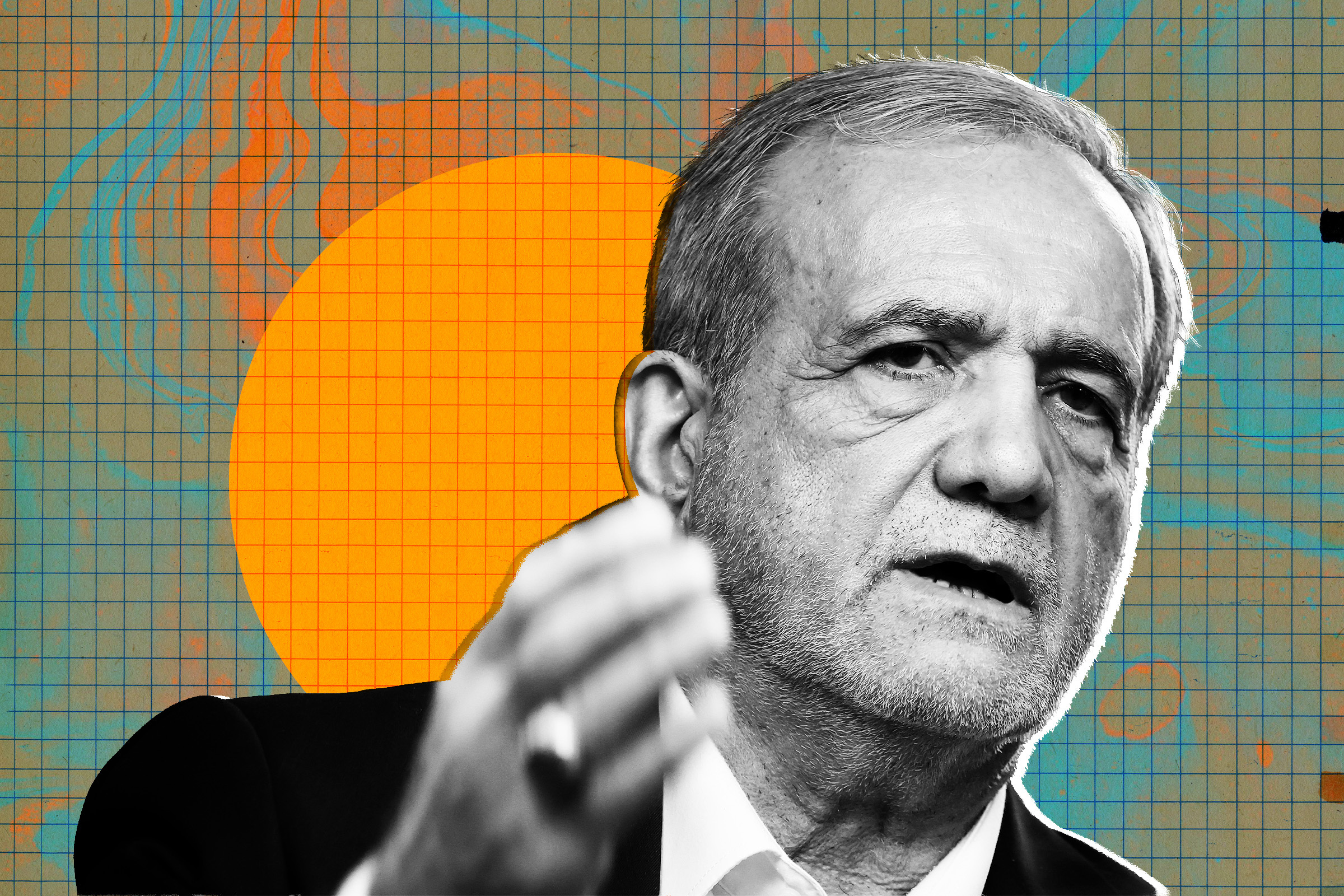
On November 30, 2023, Iranian President Masoud Pezeshkian announced the government’s decision to relocate the capital city of Tehran due to an escalating water crisis. The current capital, home to approximately nine million residents and situated in a metropolitan area of over 15 million, is grappling with severe drought conditions that have persisted for six consecutive years. This unprecedented move highlights the challenges posed by environmental changes, industrial agriculture, and rapid population growth.
Tehran, which has served as the political and administrative center of Iran since 1786, is now facing a critical shortage of water, forcing officials to consider drastic measures. President Pezeshkian remarked, “When we said we must move the capital, we did not even have enough budget. If we had, maybe it would have been done. The reality is that we no longer have a choice; it is an obligation.” He emphasized the urgent need for environmental protection, warning that neglecting these issues could lead to dire consequences for the nation.
The decision to relocate the capital is not merely a logistical challenge; it is also a historical pivot. Historically, nations have shifted their capitals for various reasons, but a forced transfer to mitigate an environmental crisis is without precedent in modern history. As the effects of climate change intensify, the situation in Tehran serves as a stark reminder of the broader implications of ecological decline.
According to a report by the Global Water Forum in 2022, the urban poor are disproportionately affected by the ongoing water crisis. Despite government calls for a 20 percent reduction in water usage, household consumption constitutes only eight percent of the country’s total water consumption, as reported by Al Jazeera. This discrepancy underlines the complexity of the crisis, indicating that significant changes are necessary across various sectors to achieve meaningful relief.
The potential relocation of Tehran will likely be a lengthy and complex process. Experts suggest that any effective solutions to the water shortage may take years to implement. The government’s plans may also face financial constraints, complicating the timeline for the capital’s move.
As Iran navigates this challenging landscape, the implications of the capital’s relocation extend beyond administrative logistics. The decision reflects a growing recognition of the urgent need to address environmental challenges head-on. By prioritizing sustainable practices and water management strategies, Iranian authorities aim to secure a more resilient future for its citizens.
The situation in Tehran underscores a global issue: the impact of climate change on urban centers. As cities around the world face similar challenges, the decisions made in Iran may serve as a case study for how nations adapt to the realities of a changing environment.

Upgrade Your Home Lab NOW: All-SSD NAS Revolutionizes Storage

Carolina Herrera Unveils Vibrant Resort 2026 Collection in New York

Bra Fitting in Melbourne Sparks Reflections on Connection

Celebrities Showcase Cartier’s Panthère: A Timeless Fashion Icon

Virtus Advisers Acquires Boston Scientific Shares Worth $157,000

Octave Bioscience Partners with Quest Diagnostics to Enhance MS Testing Access

Sepio Capital Reduces Stake in Costco by 6.8% Amid Investor Activity

Jim Chanos Warns Nvidia’s Debt Could Trigger Defaults Now

Sister Steps In to Buy Brother’s House Amid Financial Crisis

Inventor Achieves Breakthrough with 2 Billion FPS Laser Video

Community Unites for 7th Annual Into the Light Walk for Mental Health

Charlie Sheen’s New Romance: ‘Glowing’ with Younger Partner

Dua Lipa Aces GCSE Spanish, Sparks Super Bowl Buzz with Fans

Mother Fights to Reunite with Children After Kidnapping in New Drama

Former Mozilla CMO Launches AI-Driven Cannabis Cocktail Brand Fast

Curium Group, PeptiDream, and PDRadiopharma Launch Key Cancer Trial

Tyler Technologies Set to Reveal Q3 Earnings on October 22

Israel Reopens Rafah Crossing After Hostage Remains Returned
-
 Science1 month ago
Inventor Achieves Breakthrough with 2 Billion FPS Laser Video
-
 Health2 months ago
Community Unites for 7th Annual Into the Light Walk for Mental Health
-
 Top Stories2 months ago
Charlie Sheen’s New Romance: ‘Glowing’ with Younger Partner
-
 Entertainment2 months ago
Dua Lipa Aces GCSE Spanish, Sparks Super Bowl Buzz with Fans
-
 Entertainment2 months ago
Mother Fights to Reunite with Children After Kidnapping in New Drama
-
 Top Stories1 month ago
Former Mozilla CMO Launches AI-Driven Cannabis Cocktail Brand Fast
-
 Health2 months ago
Curium Group, PeptiDream, and PDRadiopharma Launch Key Cancer Trial
-
 Business2 months ago
Tyler Technologies Set to Reveal Q3 Earnings on October 22
-
 World2 months ago
Israel Reopens Rafah Crossing After Hostage Remains Returned
-

 World2 months ago
R&B Icon D’Angelo Dies at 51, Leaving Lasting Legacy
-
 Health2 months ago
North Carolina’s Biotech Boom: Billions in New Investments
-

 Health2 months ago
YouTube Launches New Mental Health Tools for Teen Users