
Science
Researchers Uncover Medieval Jewish History Using AI Technology

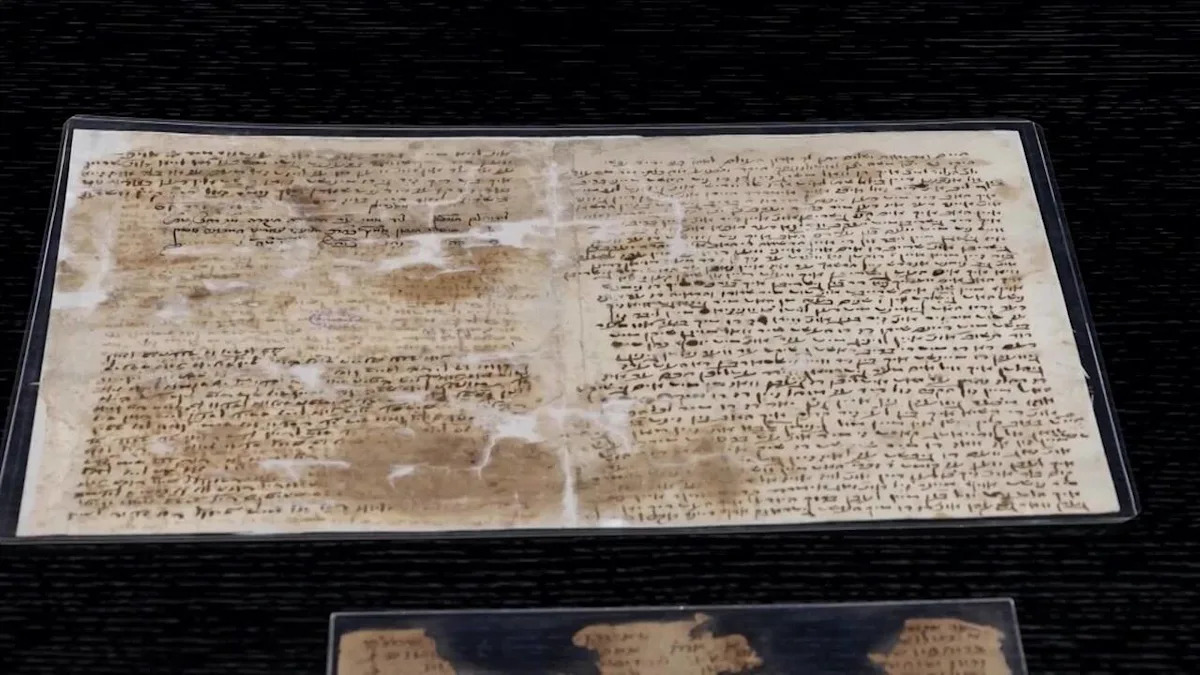
Researchers are leveraging artificial intelligence to explore the world’s largest collection of medieval Jewish documents, known as the Cairo Genizah. This extraordinary archive, housed primarily at the University of Amsterdam, contains over 300,000 fragments, dating back to as early as the 13th century. By applying AI to these historical texts, scholars aim to uncover new insights and enhance understanding of Jewish life during the medieval period.
The Cairo Genizah, discovered in the late 19th century in a synagogue in Cairo, Egypt, comprises a diverse array of documents, including religious texts, personal letters, and legal contracts. Much of this collection has been difficult to access and analyze due to its fragmented nature and linguistic complexity. Researchers from various institutions are now collaborating to utilize advanced machine learning techniques to decipher and categorize these ancient writings.
Innovative Approaches to Historical Research
The integration of AI into historical research marks a significant shift in the way scholars approach archival materials. Traditional methods often rely on manual transcription and analysis, which can be time-consuming and prone to human error. AI algorithms, however, can process vast amounts of text quickly, identifying patterns and connections that might otherwise go unnoticed.
This initiative has garnered attention not only for its technological innovation but also for its potential to deepen the understanding of Jewish history. Dr. Miri Rubin, a historian involved in the project, emphasized the importance of these documents in illuminating the everyday lives of medieval Jews. “These texts provide invaluable insights into our social, economic, and cultural history,” she stated.
The project is particularly significant given the rich tapestry of medieval Jewish life, which included diverse communities across Europe, North Africa, and the Middle East. By employing AI to analyze the Cairo Genizah, researchers can reconstruct narratives that reflect the complexities of these historical experiences.
Future of AI in Archival Research
As the project progresses, the implications of using AI in archival research extend beyond the Cairo Genizah. The success of this initiative could pave the way for similar projects involving other historical collections worldwide. The ability to digitize and analyze ancient texts with greater efficiency may revolutionize the field of history, allowing researchers to tackle previously insurmountable challenges.
Funding for this groundbreaking research comes from various sources, including academic grants and private donations. The project hopes to expand its reach, inviting scholars from different disciplines to contribute their expertise. This collaborative effort underscores the growing recognition of AI as a tool that can enhance traditional research methodologies.
In summary, the use of artificial intelligence to explore the Cairo Genizah represents a significant advancement in historical scholarship. By uncovering the stories hidden within these medieval Jewish documents, researchers are not only enriching our understanding of the past but also setting a precedent for the future of archival research. The project stands as a testament to the potential of technology to illuminate the complexities of human history.

Blackhawks Surge to 5-3 Victory Over Ducks, Ending 5-Game Winless Streak

Stanford Study Reveals Urgent Shark Extinction Clues Today

Church Members Unite After Devastating Thanksgiving Fire

Brock Purdy Shines with Hip-Hop Flair in 49ers’ 26-8 Win

Repurposed Drug Shows Promise in Reversing Alzheimer’s in Mice

Rams Suffer Humbling Loss, Fall from NFC’s Top Position

Trump Promises to Release MRI Results from October Scan

Tracy Davidson Transitions to Motivational Speaking After TV Career

Short-Term Nitrous Oxide Treatment Shows Promise for Depression

Inventor Achieves Breakthrough with 2 Billion FPS Laser Video

Community Unites for 7th Annual Into the Light Walk for Mental Health

Charlie Sheen’s New Romance: ‘Glowing’ with Younger Partner

Dua Lipa Aces GCSE Spanish, Sparks Super Bowl Buzz with Fans

Mother Fights to Reunite with Children After Kidnapping in New Drama

Former Mozilla CMO Launches AI-Driven Cannabis Cocktail Brand Fast

Curium Group, PeptiDream, and PDRadiopharma Launch Key Cancer Trial

Tyler Technologies Set to Reveal Q3 Earnings on October 22

Israel Reopens Rafah Crossing After Hostage Remains Returned
-
 Science1 month ago
Inventor Achieves Breakthrough with 2 Billion FPS Laser Video
-
 Health2 months ago
Community Unites for 7th Annual Into the Light Walk for Mental Health
-
 Top Stories2 months ago
Charlie Sheen’s New Romance: ‘Glowing’ with Younger Partner
-
 Entertainment2 months ago
Dua Lipa Aces GCSE Spanish, Sparks Super Bowl Buzz with Fans
-
 Entertainment2 months ago
Mother Fights to Reunite with Children After Kidnapping in New Drama
-
 Top Stories1 month ago
Former Mozilla CMO Launches AI-Driven Cannabis Cocktail Brand Fast
-
 Health2 months ago
Curium Group, PeptiDream, and PDRadiopharma Launch Key Cancer Trial
-
 Business2 months ago
Tyler Technologies Set to Reveal Q3 Earnings on October 22
-
 World2 months ago
Israel Reopens Rafah Crossing After Hostage Remains Returned
-

 Health2 months ago
North Carolina’s Biotech Boom: Billions in New Investments
-

 World2 months ago
R&B Icon D’Angelo Dies at 51, Leaving Lasting Legacy
-

 Entertainment2 months ago
Red Sox’s Bregman to Become Free Agent; Tigers Commit to Skubal