
Science
Scholars Challenge Common Misconceptions About Vikings and Paganism

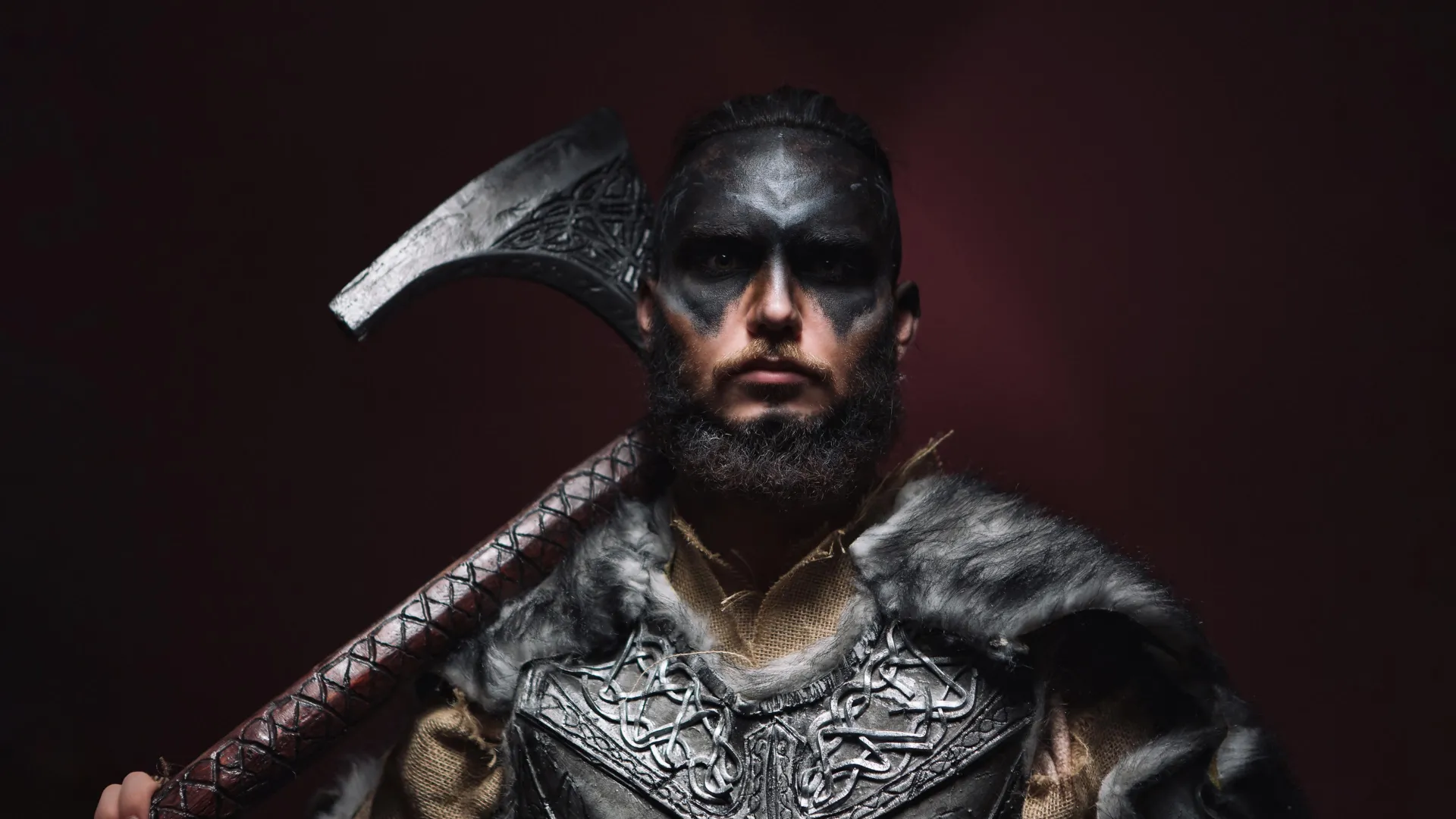
New research from scholars at the University of Münster reveals that many widely accepted beliefs about Vikings and Norse mythology are fundamentally flawed. According to experts in Scandinavian studies, these misconceptions stem largely from medieval interpretations that emerged long after the Viking Age, which lasted from the 8th to the 11th century. This reassessment highlights the need for a more nuanced understanding of how historical narratives have been reshaped over time.
The findings were presented at a conference titled “Imagining Nordic Paganism: Cultural Memories and Scholarly Thought Since the Middle Ages.” This event emphasized the importance of critically examining how ideas about Scandinavian paganism have evolved and their impact on modern identity.
Roland Scheel, a scholar involved in the research, pointed out that contemporary perceptions of Vikings often derive from films, video games, and museum exhibits, which tend to glorify figures as fearless adventurers and skilled warriors. “These portrayals do not reflect the complexity of the historical record,” Scheel stated.
He further explained that the primary sources on Viking history are sparse, consisting mainly of brief runic inscriptions. “The surviving texts are essentially memorialized history, written by Christian scholars in the High Middle Ages,” he added. This gap in original documentation leaves much room for reinterpretation.
The romanticized view of Viking culture often overlooks its more violent aspects, particularly the brutal raids that characterized their expansion. “Modern interpretations of Norse mythology frequently ignore the darker elements of Viking society,” said Simon Hauke, another scholar at the Cluster of Excellence. This idealized vision contrasts sharply with contemporary views of other historical events, such as the Crusades, which are often associated with coercion and brutality.
In addition to historical analysis, the conference explored the influence of Norse mythology on modern culture and identity. For instance, neo-pagan groups have emerged, drawing inspiration from pre-Christian beliefs and often portraying these traditions in a way that emphasizes a harmonious relationship with nature. Yet, this modern interpretation frequently glosses over the complexities of Viking culture, including its inherent violence.
The research also examined the impact of notable figures who have shaped perceptions of Norse mythology over time. The 13th-century work “Edda” by Snorri Sturluson remains a pivotal text, recounting tales of gods and heroes. Politicians like Otto von Bismarck have also invoked these narratives to bolster national identity, using references from the “Edda” in their speeches.
Scholars Scheel and Hauke noted that the use of Norse mythology has sometimes served political agendas. Historical movements, including the Volk movement and National Socialists, appropriated these myths to support their racial ideologies. Although some associations with right-wing extremism persist, contemporary interpretations of Norse mythology are more diverse, reflecting a wide range of interests.
One of the more fascinating aspects discussed was the portrayal of Valkyries, figures often depicted in modern media as fierce female warriors. Hauke explained that Wagner’s opera “The Ring of the Nibelung” significantly influenced contemporary images of these characters. “Wagner’s representation of Valkyries as solely feminine warriors simplifies the rich and varied roles they play in Old Norse texts,” he stated.
The ongoing research project, titled “Paganisations: Memorialised Paganism as an Element of Scandinavian and European Identities,” aims to deepen the understanding of how these narratives have been constructed. The conference featured talks from experts including Jóhanna Katrín Friðriksdóttir from Oslo and runologist Alessia Bauer from Paris, showcasing the diverse scholarly interest in this topic.
By critically examining the historical narratives surrounding Vikings and their pagan beliefs, scholars hope to shed light on the complex interplay between history, culture, and identity. As the study of Scandinavian paganism continues to evolve, it reveals not only insights into the past but also the ways in which these interpretations influence contemporary society.

Cyber Monday Deals Under $25: Shop Must-Have Gifts NOW

Federal Appeals Court Disqualifies Alina Habba as U.S. Attorney

Upgrade Your Home Lab NOW: All-SSD NAS Revolutionizes Storage

Carolina Herrera Unveils Vibrant Resort 2026 Collection in New York

Bra Fitting in Melbourne Sparks Reflections on Connection

Celebrities Showcase Cartier’s Panthère: A Timeless Fashion Icon

Virtus Advisers Acquires Boston Scientific Shares Worth $157,000

Octave Bioscience Partners with Quest Diagnostics to Enhance MS Testing Access

Sepio Capital Reduces Stake in Costco by 6.8% Amid Investor Activity

Inventor Achieves Breakthrough with 2 Billion FPS Laser Video

Community Unites for 7th Annual Into the Light Walk for Mental Health

Charlie Sheen’s New Romance: ‘Glowing’ with Younger Partner

Dua Lipa Aces GCSE Spanish, Sparks Super Bowl Buzz with Fans

Mother Fights to Reunite with Children After Kidnapping in New Drama

Former Mozilla CMO Launches AI-Driven Cannabis Cocktail Brand Fast

Curium Group, PeptiDream, and PDRadiopharma Launch Key Cancer Trial

Tyler Technologies Set to Reveal Q3 Earnings on October 22

Israel Reopens Rafah Crossing After Hostage Remains Returned
-
 Science1 month ago
Inventor Achieves Breakthrough with 2 Billion FPS Laser Video
-
 Health2 months ago
Community Unites for 7th Annual Into the Light Walk for Mental Health
-
 Top Stories2 months ago
Charlie Sheen’s New Romance: ‘Glowing’ with Younger Partner
-
 Entertainment2 months ago
Dua Lipa Aces GCSE Spanish, Sparks Super Bowl Buzz with Fans
-
 Entertainment2 months ago
Mother Fights to Reunite with Children After Kidnapping in New Drama
-
 Top Stories2 months ago
Former Mozilla CMO Launches AI-Driven Cannabis Cocktail Brand Fast
-
 Health2 months ago
Curium Group, PeptiDream, and PDRadiopharma Launch Key Cancer Trial
-
 Business2 months ago
Tyler Technologies Set to Reveal Q3 Earnings on October 22
-
 World2 months ago
Israel Reopens Rafah Crossing After Hostage Remains Returned
-

 World2 months ago
R&B Icon D’Angelo Dies at 51, Leaving Lasting Legacy
-

 Health2 months ago
North Carolina’s Biotech Boom: Billions in New Investments
-

 Entertainment2 months ago
Red Sox’s Bregman to Become Free Agent; Tigers Commit to Skubal