
Science
Shingles Vaccine Shows Promise in Reducing Dementia Outcomes

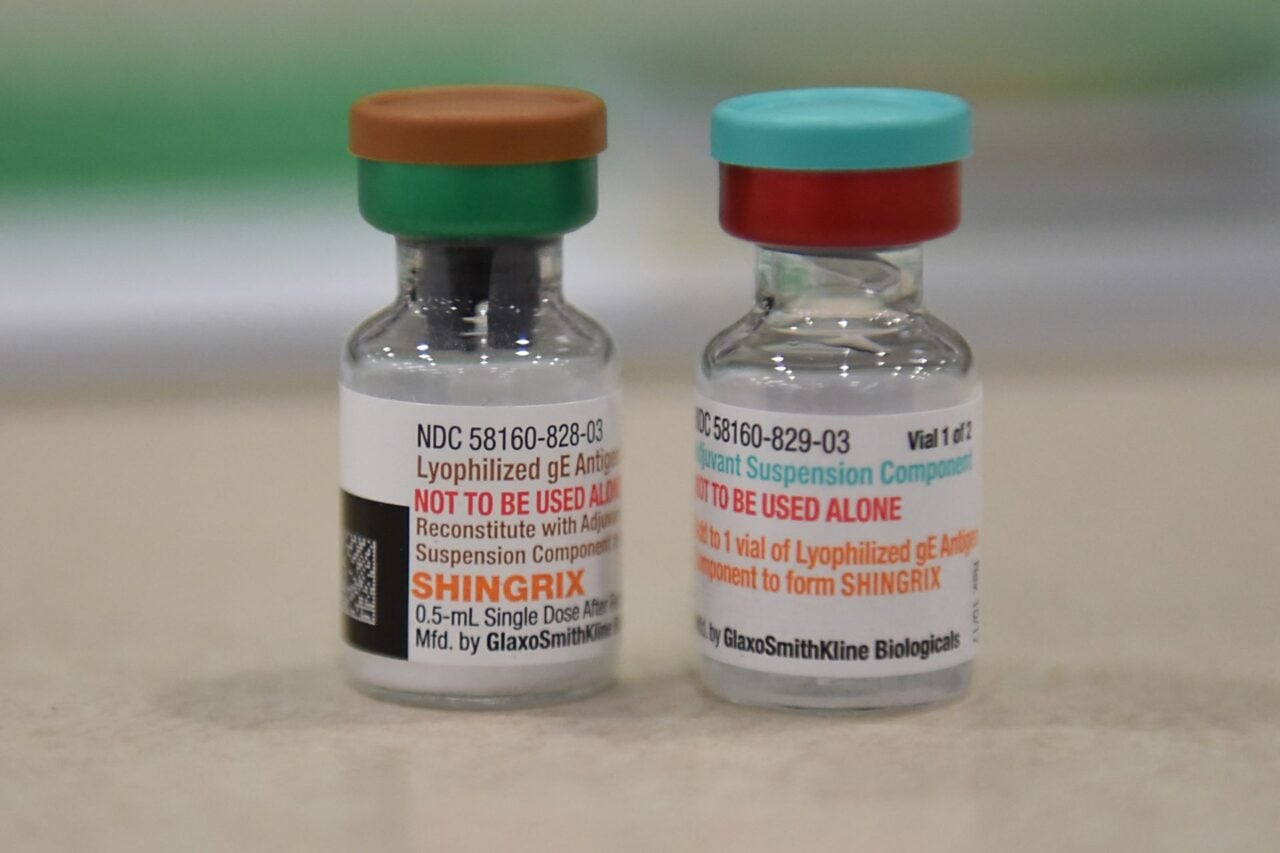
Research from Stanford University indicates that the shingles vaccine may offer unexpected benefits beyond preventing the viral infection, including a reduced risk of developing dementia. The study, published in the journal Cell on October 3, 2023, highlights the vaccine’s potential role in both preventing cognitive decline and improving outcomes for those already diagnosed with dementia.
Insights from a Natural Experiment
The investigation focused on data collected in Wales, where a shingles vaccination program was launched in 2013. Individuals born on or after September 2, 1933, were eligible for vaccination, creating a clear distinction between those who received the vaccine and those who did not. This age-based eligibility allowed researchers to track dementia rates among older populations effectively, comparing outcomes between vaccinated and non-vaccinated individuals.
The findings revealed that individuals who received the shingles vaccine were 20% less likely to be diagnosed with dementia over a seven-year period. Additionally, the researchers sought to understand whether the vaccine influenced outcomes across various stages of dementia. Their results indicated that vaccinated persons also had a lower likelihood of developing mild cognitive impairment (MCI), an early stage of dementia.
Among those already diagnosed with dementia, vaccinated individuals demonstrated a reduced risk of dying as a result of their condition. According to Pascal Geldsetzer, an assistant professor of medicine at Stanford and senior study author, these results suggest that the vaccine may not only prevent the onset of dementia but could also serve as a therapeutic option for those already affected.
Expanding the Benefits of Vaccination
While these findings do not definitively prove that the shingles vaccine directly impacts dementia outcomes, they provide significant evidence supporting its broader health benefits. The unique methodology employed in this research circumvents many challenges associated with observational studies, enhancing the validity of the conclusions drawn.
Previous studies have also indicated that shingles vaccination correlates with lower risks of heart disease and stroke, as well as reduced mortality rates among vaccinated individuals. Given that shingles is known to be extremely painful and the vaccine is recommended for all adults starting at age 50, the potential to also decrease the risk of serious cognitive and cardiovascular conditions presents a compelling argument for vaccination.
As health authorities continue to recommend the shingles vaccine, this new evidence further underscores its value, suggesting that protecting against shingles may also confer significant neurological benefits. The two-dose vaccine not only targets a painful illness but may also act as a safeguard for brain health, making the case for vaccination all the more persuasive.

Alex Hall Reacts to Tyler Stanaland’s Shocking Elopement

Aurora Christian Students Engage in Urgent Mock Congress Event

Cavaliers Hit with $250K Fine for Resting Darius Garland on TV

Sandusky State Theatre Hosts Festive Community Walk Through with Santa

Cooling-Triggered Drug Delivery System Could Revolutionize Pain Management

Thomasville Planner Collaborates on Urban Revitalization in Colusa

Dallas Chefs Unite to Support Detained Cook Chih-Ming Feng

Shingles Vaccine Shows Promise in Reducing Dementia Outcomes

Investment Analysts Update Ratings for Arrow Financial Shares

Inventor Achieves Breakthrough with 2 Billion FPS Laser Video

Community Unites for 7th Annual Into the Light Walk for Mental Health

Charlie Sheen’s New Romance: ‘Glowing’ with Younger Partner

Dua Lipa Aces GCSE Spanish, Sparks Super Bowl Buzz with Fans

Curium Group, PeptiDream, and PDRadiopharma Launch Key Cancer Trial

Mother Fights to Reunite with Children After Kidnapping in New Drama

Israel Reopens Rafah Crossing After Hostage Remains Returned

Former Mozilla CMO Launches AI-Driven Cannabis Cocktail Brand Fast

Tyler Technologies Set to Reveal Q3 Earnings on October 22
-
 Science2 months ago
Inventor Achieves Breakthrough with 2 Billion FPS Laser Video
-
 Health2 months ago
Community Unites for 7th Annual Into the Light Walk for Mental Health
-
 Top Stories2 months ago
Charlie Sheen’s New Romance: ‘Glowing’ with Younger Partner
-
 Entertainment2 months ago
Dua Lipa Aces GCSE Spanish, Sparks Super Bowl Buzz with Fans
-
 Health2 months ago
Curium Group, PeptiDream, and PDRadiopharma Launch Key Cancer Trial
-
 Entertainment2 months ago
Mother Fights to Reunite with Children After Kidnapping in New Drama
-
 World2 months ago
Israel Reopens Rafah Crossing After Hostage Remains Returned
-
 Top Stories2 months ago
Former Mozilla CMO Launches AI-Driven Cannabis Cocktail Brand Fast
-
 Business2 months ago
Tyler Technologies Set to Reveal Q3 Earnings on October 22
-

 Health2 months ago
North Carolina’s Biotech Boom: Billions in New Investments
-

 Entertainment2 months ago
Red Sox’s Bregman to Become Free Agent; Tigers Commit to Skubal
-

 World2 months ago
R&B Icon D’Angelo Dies at 51, Leaving Lasting Legacy