
Science
Trump Declares Naval Blockade on Venezuela, Igniting Constitutional Debate

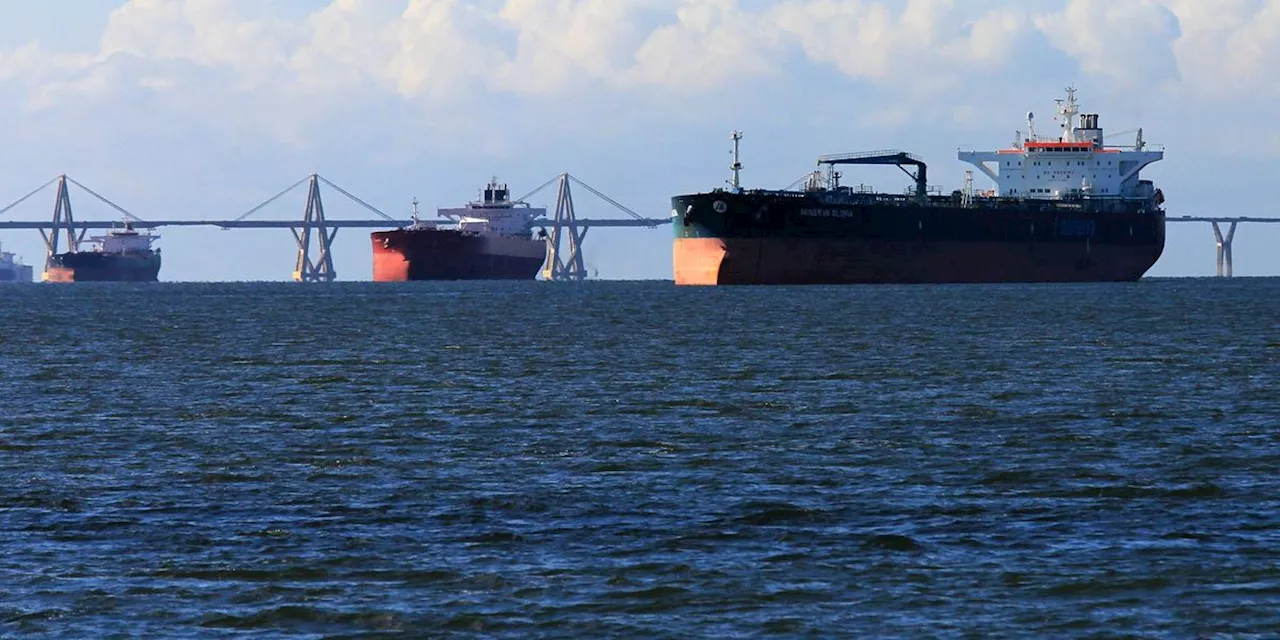
On December 16, 2025, President Donald Trump announced a “total and complete blockade” of Venezuelan oil tankers, asserting that Venezuela would remain surrounded by the “largest Armada ever assembled in the History of South America.” This declaration, delivered through his personal media platform, has raised serious concerns regarding its legality and implications for the balance of power in the U.S. government. Critics argue that this unilateral action represents a significant breach of constitutional limits and an unprecedented expansion of executive authority.
This naval blockade, which has been characterized as undeclared and unauthorized, poses a direct challenge to the War Powers Resolution. This legislative act, established to prevent unilateral military escalation, requires the President to seek congressional authorization for any military action involving hostilities or imminent risk. Trump’s declaration effectively replaces diplomatic negotiations with coercive military operations, marking a departure from historical norms of foreign dispute resolution.
The Constitutional Implications of a Blockade
According to Article I of the U.S. Constitution, the authority to declare war and authorize military actions resides exclusively with Congress. While Article II grants the President the role of Commander-in-Chief, it does not extend to sustained, coercive military operations without legislative consent. The blockade announced by Trump qualifies as an act of force under both domestic and international law, as it seeks to control international waters and deny access to maritime commerce. This action, therefore, is not merely a foreign policy strategy but a constitutional violation in progress.
Trump’s justification for the blockade hinges on the assertion that Venezuela “stole” American oil. However, this claim lacks historical and legal support. Venezuela nationalized its oil sector in 1976, establishing Petróleos de Venezuela, S.A.. Over the years, various foreign firms, including ExxonMobil and ConocoPhillips, operated under negotiated agreements. In the early 2000s, Venezuela reasserted control over its resources, transitioning foreign-controlled projects into joint ventures. These actions were sovereign decisions, not acts of theft, and fall well within Venezuela’s rights under international law.
Historically, the United States has managed foreign resource disputes through sanctions and diplomatic channels rather than military coercion. The shift to a blockade represents a drastic and destabilizing change in this approach.
The Legal Framework and Future Considerations
The distinction between sanctions and military action is crucial. Sanctions are enforced through economic regulations that prohibit certain transactions but do not authorize armed action against foreign-flagged vessels in international waters. The escalation to a systematic maritime blockade constitutes a shift toward armed coercion, raising profound legal questions.
Under the War Powers Resolution, any military deployment must cease within 60 days unless Congress grants approval. Trump’s blockade, characterized by its indefinite duration and linkage to political demands, falls well outside the legal scope of executive authority. This situation is representative of a broader constitutional crisis, as it threatens the separation of powers established in the U.S. government.
If a President can unilaterally impose a naval blockade based on economic grievances, it sets a dangerous precedent that could undermine the constitutional framework. Today, it is Venezuela; tomorrow, it could be any nation where U.S. economic interests are at stake.
To address these concerns, Congress must reassert its constitutional role. Legislative measures such as House Concurrent Resolution 64 or emergency oversight hearings could help enforce the War Powers Resolution. Additionally, the Executive branch should revert to lawful enforcement mechanisms, utilizing civil forfeiture, targeted sanctions, and international arbitration rather than coercive military actions.
Restoring diplomatic engagement as the primary method for resolving disputes is essential. The ongoing tensions surrounding Venezuela’s resource management must be addressed through negotiation and international claims processes, not unilateral military blockades.
The blockade of Venezuelan oil tankers might be viewed by some as a demonstration of strength, but it represents a significant erosion of legal precedent and constitutional governance. When the President acts beyond constitutional limits without pushback, it signals a troubling shift toward autocracy. Congress must act, courts must scrutinize, and the public must insist on adherence to the rule of law, ensuring that the Constitution serves as a safeguard, not merely a suggestion.

Draymond Green Ejected in Urgent Clash Against Suns

Packers QB Jordan Love Injured After Head Hit, Evaluated for Concussion

Developers Shift to Podman for Enhanced Container Management

Ohio Doctor Charged with Forcing Abortion Pill on Girlfriend

UPS Essential for Your Home Server: Protect Data Now!

U.S. Seizes Oil Tanker Near Venezuela in Major Escalation

DIY Tech Enthusiast Creates Skylight Calendar Clone for Family

Trump Declares Naval Blockade on Venezuela, Igniting Constitutional Debate

BMW Shares Surge Past 200-Day Moving Average on Strong Trading Day

Inventor Achieves Breakthrough with 2 Billion FPS Laser Video

Charlie Sheen’s New Romance: ‘Glowing’ with Younger Partner

Community Unites for 7th Annual Into the Light Walk for Mental Health

Dua Lipa Aces GCSE Spanish, Sparks Super Bowl Buzz with Fans

Curium Group, PeptiDream, and PDRadiopharma Launch Key Cancer Trial

Mother Fights to Reunite with Children After Kidnapping in New Drama

Former Mozilla CMO Launches AI-Driven Cannabis Cocktail Brand Fast

R&B Icon D’Angelo Dies at 51, Leaving Lasting Legacy

Israel Reopens Rafah Crossing After Hostage Remains Returned
-
 Science2 months ago
Inventor Achieves Breakthrough with 2 Billion FPS Laser Video
-
 Top Stories2 months ago
Charlie Sheen’s New Romance: ‘Glowing’ with Younger Partner
-
 Health2 months ago
Community Unites for 7th Annual Into the Light Walk for Mental Health
-
 Entertainment2 months ago
Dua Lipa Aces GCSE Spanish, Sparks Super Bowl Buzz with Fans
-
 Health2 months ago
Curium Group, PeptiDream, and PDRadiopharma Launch Key Cancer Trial
-
 Entertainment2 months ago
Mother Fights to Reunite with Children After Kidnapping in New Drama
-
 Top Stories2 months ago
Former Mozilla CMO Launches AI-Driven Cannabis Cocktail Brand Fast
-
 World2 months ago
R&B Icon D’Angelo Dies at 51, Leaving Lasting Legacy
-
 World2 months ago
Israel Reopens Rafah Crossing After Hostage Remains Returned
-

 Business2 months ago
Tyler Technologies Set to Reveal Q3 Earnings on October 22
-

 Health2 months ago
YouTube Launches New Mental Health Tools for Teen Users
-

 Health2 months ago
North Carolina’s Biotech Boom: Billions in New Investments