
Top Stories
DOGE Disbanded: Federal Spending Goals Fall Short Amid Controversy

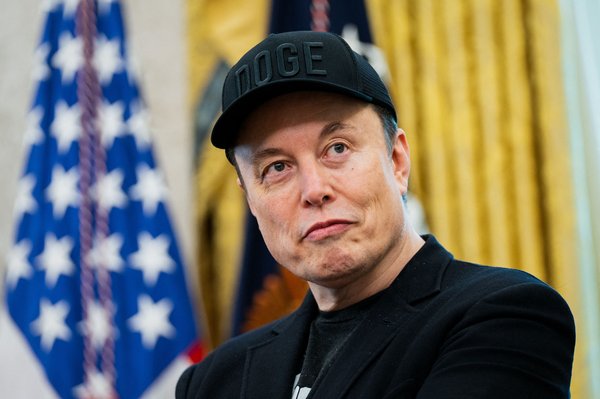
URGENT UPDATE: The Department of Government Efficiency (DOGE) has officially disbanded, according to a new report from Reuters. This development comes as the group struggled to make a significant impact on federal spending, failing to deliver on its ambitious goals.
On Sunday, Scott Kupar, head of the U.S. Office of Personnel Management, confirmed that DOGE is no longer operating as a cohesive entity within the federal government. In a social media post, Kupar emphasized that while DOGE may lack centralized leadership, its principles of efficiency and cost-cutting remain integral to federal agencies.
The disbanding of DOGE highlights a significant shift in the Trump administration’s approach to managing government spending. Initially heralded as a groundbreaking initiative to reduce waste and increase efficiency, DOGE lost momentum throughout the year, especially following public disputes between its architect, Elon Musk, and former President Donald Trump. As tensions rose, DOGE’s authority diminished, limiting its ability to implement major changes like issuing layoff notices or terminating contracts.
Ten months after its formation, DOGE’s journey is marked by unfulfilled promises and inflated claims. The group touted savings of around $214 billion, but experts have raised concerns about the accuracy of this figure, citing discrepancies such as double-counting. Critics like Jessica Riedl from the Brookings Institution described DOGE’s efforts as “spending cut theatre” with a fundamental misunderstanding of the primary drivers of federal deficits, notably entitlement programs like Social Security and Medicare.
The implications of DOGE’s failure are significant, with overall government spending projected to be higher in the 2025 fiscal year compared to previous years. Bobby Kogan, senior director of federal budget policy at the Center for American Progress Action Fund, remarked on social media about the profound failure of DOGE, emphasizing the ongoing challenges in managing federal finances.
Despite DOGE’s disbandment, Kupar noted that the federal government is still undergoing substantial workforce changes, with approximately 300,000 federal employees expected to exit this year. These reductions are largely attributed to buyouts and deferred resignations initiated by DOGE, although some employees have since been reinstated.
While Musk has stepped back from direct involvement in federal efficiency efforts, he remains an influential figure in U.S. politics. Recently, he attended a high-profile dinner with Saudi Crown Prince Mohammed Bin-Salman at the White House, underscoring his continued engagement in key political discussions.
As the fallout from DOGE’s dissolution continues to unfold, observers are left questioning the future of federal spending management and the potential for new initiatives to emerge in its wake. Stay tuned for further updates on this developing story.

Turing CEO: Data-Labeling Era Ends as AI Training Evolves

Bret Baier Launches Podcast Episode on Rescuing American Spirit

Jamal Murray Sprains Ankle in Nuggets’ Urgent Loss to Mavs

Borneo Election Shakes Malaysian Government, Anwar Faces Setback

Southwest Airlines’ New Policy Forces Plus-Size Passengers to Pay More

Jafar Panahi Triumphs at 2025 Gotham Awards with Three Major Wins

Quick 20-Minute Low-Impact Workout Boosts Strength and Metabolism

Local Vendors Shine at Jingle & Mingle Holiday Market

Niobay Metals Shares Plunge 20.6% Amid Increased Trading Activity

Inventor Achieves Breakthrough with 2 Billion FPS Laser Video

Community Unites for 7th Annual Into the Light Walk for Mental Health

Charlie Sheen’s New Romance: ‘Glowing’ with Younger Partner

Dua Lipa Aces GCSE Spanish, Sparks Super Bowl Buzz with Fans

Curium Group, PeptiDream, and PDRadiopharma Launch Key Cancer Trial

Mother Fights to Reunite with Children After Kidnapping in New Drama

Tyler Technologies Set to Reveal Q3 Earnings on October 22

Former Mozilla CMO Launches AI-Driven Cannabis Cocktail Brand Fast

Israel Reopens Rafah Crossing After Hostage Remains Returned
-
 Science1 month ago
Inventor Achieves Breakthrough with 2 Billion FPS Laser Video
-
 Health2 months ago
Community Unites for 7th Annual Into the Light Walk for Mental Health
-
 Top Stories2 months ago
Charlie Sheen’s New Romance: ‘Glowing’ with Younger Partner
-
 Entertainment2 months ago
Dua Lipa Aces GCSE Spanish, Sparks Super Bowl Buzz with Fans
-
 Health2 months ago
Curium Group, PeptiDream, and PDRadiopharma Launch Key Cancer Trial
-
 Entertainment2 months ago
Mother Fights to Reunite with Children After Kidnapping in New Drama
-
 Business2 months ago
Tyler Technologies Set to Reveal Q3 Earnings on October 22
-
 Top Stories2 months ago
Former Mozilla CMO Launches AI-Driven Cannabis Cocktail Brand Fast
-
 World2 months ago
Israel Reopens Rafah Crossing After Hostage Remains Returned
-

 Health2 months ago
North Carolina’s Biotech Boom: Billions in New Investments
-

 World2 months ago
R&B Icon D’Angelo Dies at 51, Leaving Lasting Legacy
-

 Entertainment2 months ago
Red Sox’s Bregman to Become Free Agent; Tigers Commit to Skubal