
Top Stories
HHS Proposes Major Changes to Drug Advertising Rules, Sparks Controversy

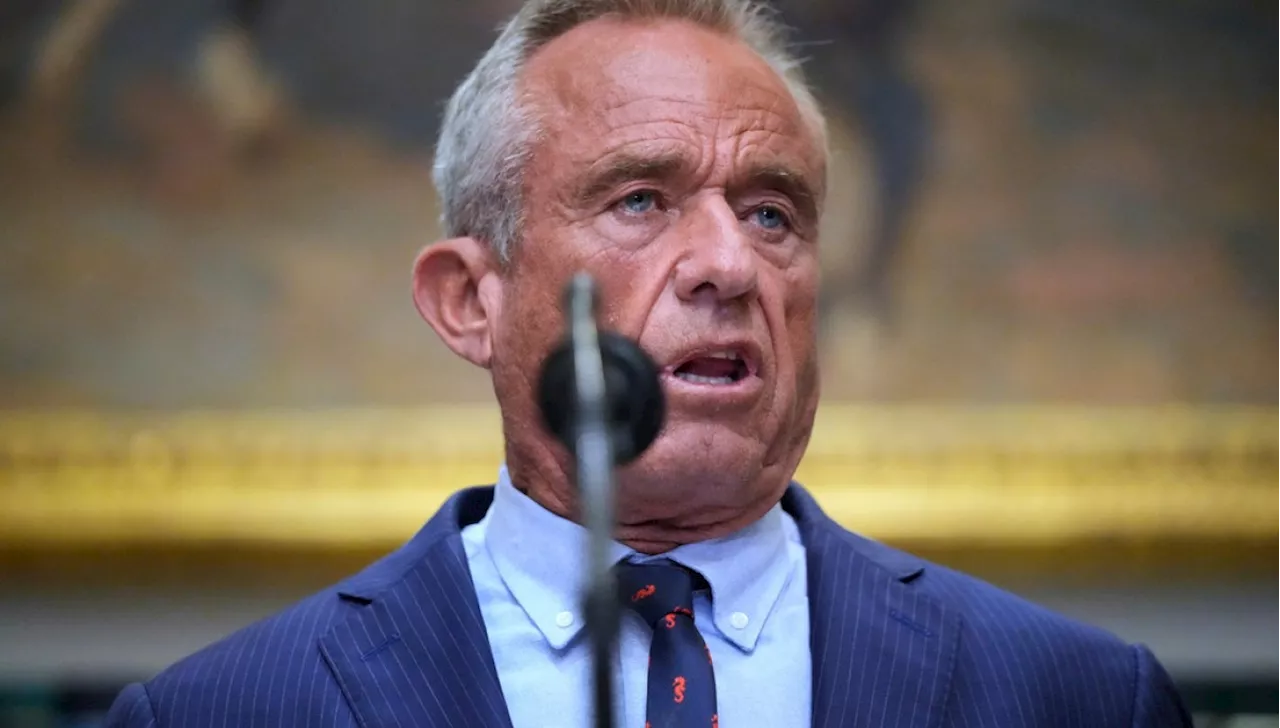
UPDATE: The Department of Health and Human Services (HHS) has just announced significant proposals to tighten regulations on drug advertising, igniting fierce debate over patient access to crucial medical information. This urgent move could severely impact how pharmaceutical companies communicate with consumers, potentially limiting their ability to share vital details about treatments and medications.
Critics of the proposed regulations argue that the new rules could create an environment where legitimate drug advertisements become nearly impossible to run, stifling free speech and patient education. The HHS and the FDA are facing backlash from multiple stakeholders who believe that restricting advertising will do more harm than good.
December 2023 marks a pivotal moment as HHS aims to enact rules that some say will impose burdensome disclosure requirements on drug advertisements. This could lead to what many are calling a “de facto ban” on direct-to-consumer communication. The implications are enormous: without clear information, patients might miss out on potentially life-saving treatments and innovations.
Charlie Kirk and others have voiced concerns that these reforms are a misguided attempt to control speech rather than a genuine effort to protect consumers. As Kirk noted, “When patients are deprived of knowledge about new or emerging treatments, the result isn’t safety; it’s silence — and that silence can potentially kill.”
The proposed changes come on the heels of a history of legal battles over drug advertising. In the past, courts have struck down attempts to suppress truthful advertising, citing the First Amendment’s protection of commercial speech. For instance, a 1995 court ruling determined that overly restrictive FDA regulations were unconstitutional, allowing for more transparent communication between pharmaceutical companies and patients.
Supporters of the HHS proposal argue that it aims to cut down on misleading ads that may pressure doctors and misinform patients. However, experts insist that the solution to misinformation lies in providing more accurate information, not in censorship. Direct-to-consumer (DTC) ads have historically driven patients to seek care they might otherwise avoid, leading to earlier diagnoses and better health outcomes.
As these developments unfold, the HHS must consider the broader implications of its actions. Striking a balance between safety and free speech is critical. If the proposed reforms proceed as planned, experts warn that it could lead to a chilling effect on medical communication, leaving patients in the dark about their healthcare options.
The HHS is expected to finalize its proposals in the coming weeks, prompting healthcare professionals and advocacy groups to intensify their advocacy for patient rights and transparency. The stakes are high: with millions of lives potentially affected, the healthcare community and patients alike are watching closely.
This situation is rapidly evolving. Stay tuned for further updates as this story develops, and consider sharing your thoughts on how these changes could impact patient care and communication in the healthcare sector.

Avalanche Safety Courses Launch on Western Slope for Winter 2023

Husteel Supports Splendora Police’s Blue Santa Toy Drive

NYC Unveils $1 Billion Revitalization Plan for Coney Island

Scientists Develop Microrobot for Future Medical Applications

Justin Jefferson and Key DFS Picks for Week 15 Showdown

Israel Airstrike Kills Hamas Commander Raad Saad in Gaza

Silver Prices Surge, Analysts Predict Potential Peak Ahead

Leaked Memo Reveals VA Plans to Cut 35,000 Jobs, Urging Concern

Central Florida Braces for Warm Day with Chance of Storms

Inventor Achieves Breakthrough with 2 Billion FPS Laser Video

Community Unites for 7th Annual Into the Light Walk for Mental Health

Charlie Sheen’s New Romance: ‘Glowing’ with Younger Partner

Dua Lipa Aces GCSE Spanish, Sparks Super Bowl Buzz with Fans

Curium Group, PeptiDream, and PDRadiopharma Launch Key Cancer Trial

Former Mozilla CMO Launches AI-Driven Cannabis Cocktail Brand Fast

Israel Reopens Rafah Crossing After Hostage Remains Returned

Mother Fights to Reunite with Children After Kidnapping in New Drama

R&B Icon D’Angelo Dies at 51, Leaving Lasting Legacy
-
 Science2 months ago
Inventor Achieves Breakthrough with 2 Billion FPS Laser Video
-
 Health2 months ago
Community Unites for 7th Annual Into the Light Walk for Mental Health
-
 Top Stories2 months ago
Charlie Sheen’s New Romance: ‘Glowing’ with Younger Partner
-
 Entertainment2 months ago
Dua Lipa Aces GCSE Spanish, Sparks Super Bowl Buzz with Fans
-
 Health2 months ago
Curium Group, PeptiDream, and PDRadiopharma Launch Key Cancer Trial
-
 Top Stories2 months ago
Former Mozilla CMO Launches AI-Driven Cannabis Cocktail Brand Fast
-
 World2 months ago
Israel Reopens Rafah Crossing After Hostage Remains Returned
-
 Entertainment2 months ago
Mother Fights to Reunite with Children After Kidnapping in New Drama
-
 World2 months ago
R&B Icon D’Angelo Dies at 51, Leaving Lasting Legacy
-

 Business2 months ago
Tyler Technologies Set to Reveal Q3 Earnings on October 22
-

 Health2 months ago
North Carolina’s Biotech Boom: Billions in New Investments
-

 Health2 months ago
YouTube Launches New Mental Health Tools for Teen Users