
Top Stories
Major Federal Grant Cuts Threaten Malaria Research at CT Universities

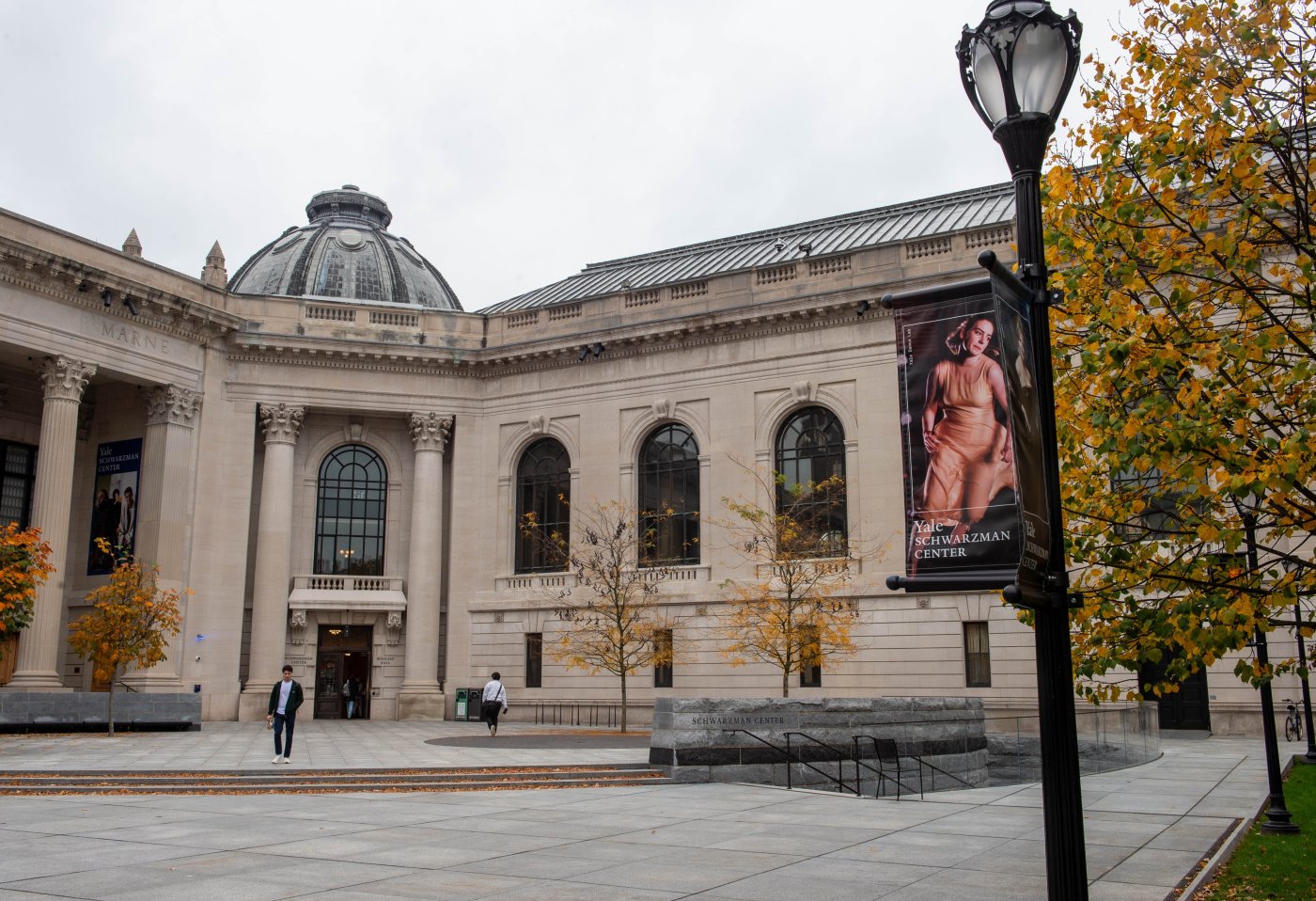
UPDATE: Federal grant cancellations have severely impacted research into malaria at Connecticut universities, with Yale University losing a staggering $300,000 grant from the National Institutes of Health (NIH). Just yesterday, Professor Amy Bei received notice that her research tracking malaria spread is at risk, highlighting a crisis in funding that threatens vital public health initiatives.
As of mid-October, the University of Connecticut has reported losses of $41 million in canceled grants and non-renewals. The interim vice president for research, Lindsay DiStefano, confirmed that the university has only managed to allocate a mere $1.6 million to support ongoing projects temporarily.
Yale’s Vice Provost for Research, Michael Crair, disclosed that the university has seen 50 grants canceled and another 22 partially canceled as of August 12, totaling “tens of millions of dollars” in lost funding. “The loss of federal funding has delayed, halted, and put at risk research essential to advancing life-saving medical breakthroughs,” Crair emphasized in a recent statement.
The implications of these funding cuts are profound. Bei’s ongoing research has been crucial in understanding malaria transmission, a disease that infected 1.2 million people in Senegal alone in 2023, resulting in over 200 deaths according to the latest 2024 World Health Organization report. Despite scientific advancements, malaria remains a formidable challenge due to the parasite’s ability to adapt and evade treatment measures.
With federal support dwindling, Bei has turned to alternative funding sources, securing support from the philanthropic arm of Tito’s Handmade Vodka and internal Yale grants. This funding will enable her team to continue essential research in Chad, where they are training local laboratories to enhance genomic surveillance of malaria.
However, the disruption caused by funding cuts has been significant. Ph.D. candidate Natasha Turyasingura, involved in the Chad project, faced a postponed trip that significantly hindered efforts to train local researchers on new DNA sequencing technologies. With new funding now in place, her team plans to travel to Chad in December, but the delays have already set back critical research and community engagement.
The urgency of malaria research cannot be overstated. As Bei notes, many communities remain asymptomatic while still transmitting the disease, complicating prevention efforts. “We have areas where transmission is ongoing but not apparent, making it crucial to develop effective interventions,” she stated.
Despite the challenges, researchers are determined to push forward. Bei’s work includes developing biomarkers that indicate whether government interventions, like the distribution of insecticide-treated mosquito nets, are effective. These biomarkers could be pivotal in regions where malaria transmission persists unnoticed.
Globally, the landscape of malaria vaccination is also evolving. The World Health Organization recently approved two vaccines, though their efficacy—ranging from 45% to 75%—remains a concern compared to more effective vaccines like those for measles. As researchers work to improve upon existing vaccines, the stakes have never been higher.
Malaria’s impact is deeply personal for many involved in this research. Thiam, a postdoctoral fellow from Senegal, has witnessed the disease’s devastating effects firsthand. “It is a huge burden, not just for the sick individuals but for their families,” he shared. Similarly, Keutcha, a researcher who suffered from malaria as a child, emphasizes that the knowledge gained from this research could also benefit other diseases prevalent in the U.S.
The current crisis in federal funding poses a serious threat to the future of malaria research and the health of communities both in Connecticut and around the world. As the situation develops, all eyes are on these researchers and their fight to continue critical work against one of humanity’s oldest foes.

Mets Sign Devin Williams to Urgent $50 Million Deal

Art for Recovery Transforms Lives: Cancer Survivors Find Hope

Urgent Fire Displaces Two Residents in Mountain View Apartment

Nominations Open NOW for 2026 Scheketa Hart-Burns Award in Aurora

Uber Driver Shot in Head Released from Hospital, Investigation Ongoing

UNT Prepares for Title Game Amid Eric Morris’ Oklahoma State Move

Trump Jr. Slams NYT Over Migrant Report, Sparks Outrage Online

NASA Study Unveils Surprising Findings About Black Holes

Cardiol Therapeutics Shares Drop 13.9% Amid Increased Trading Volume

Inventor Achieves Breakthrough with 2 Billion FPS Laser Video

Community Unites for 7th Annual Into the Light Walk for Mental Health

Charlie Sheen’s New Romance: ‘Glowing’ with Younger Partner

Dua Lipa Aces GCSE Spanish, Sparks Super Bowl Buzz with Fans

Mother Fights to Reunite with Children After Kidnapping in New Drama

Curium Group, PeptiDream, and PDRadiopharma Launch Key Cancer Trial

Former Mozilla CMO Launches AI-Driven Cannabis Cocktail Brand Fast

Tyler Technologies Set to Reveal Q3 Earnings on October 22

North Carolina’s Biotech Boom: Billions in New Investments
-
 Science1 month ago
Inventor Achieves Breakthrough with 2 Billion FPS Laser Video
-
 Health2 months ago
Community Unites for 7th Annual Into the Light Walk for Mental Health
-
 Top Stories2 months ago
Charlie Sheen’s New Romance: ‘Glowing’ with Younger Partner
-
 Entertainment2 months ago
Dua Lipa Aces GCSE Spanish, Sparks Super Bowl Buzz with Fans
-
 Entertainment2 months ago
Mother Fights to Reunite with Children After Kidnapping in New Drama
-
 Health2 months ago
Curium Group, PeptiDream, and PDRadiopharma Launch Key Cancer Trial
-
 Top Stories2 months ago
Former Mozilla CMO Launches AI-Driven Cannabis Cocktail Brand Fast
-
 Business2 months ago
Tyler Technologies Set to Reveal Q3 Earnings on October 22
-
 Health2 months ago
North Carolina’s Biotech Boom: Billions in New Investments
-

 World2 months ago
Israel Reopens Rafah Crossing After Hostage Remains Returned
-

 Entertainment2 months ago
Red Sox’s Bregman to Become Free Agent; Tigers Commit to Skubal
-

 World2 months ago
R&B Icon D’Angelo Dies at 51, Leaving Lasting Legacy