
Top Stories
Michigan Launches Massive AI Data Center Projects, Sparks Debate

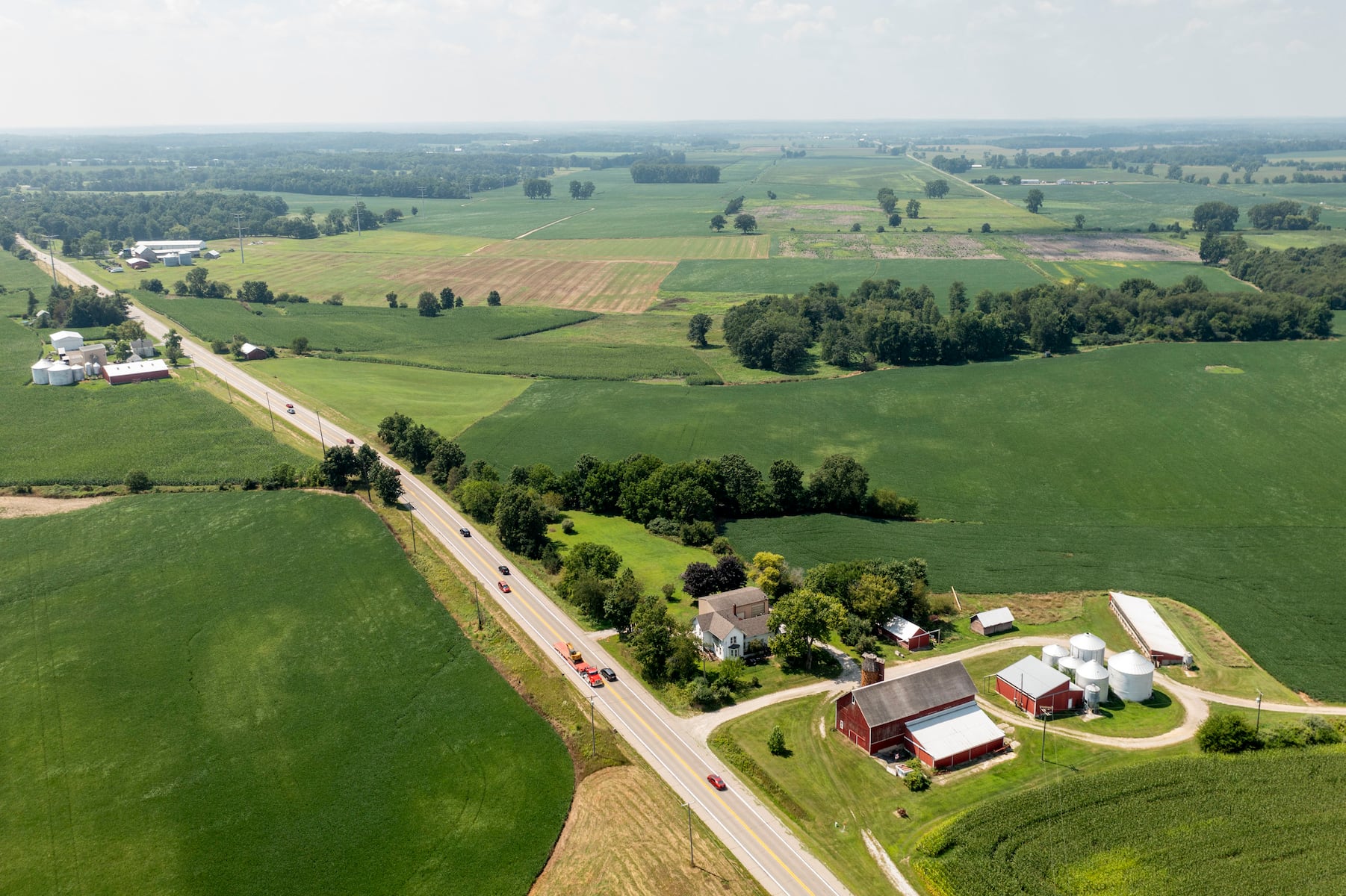
URGENT UPDATE: Michigan is entering a new era of technology as the state gears up for a significant influx of AI data centers, igniting both excitement and concern among locals. The first major project, a massive 2.2-million-square-foot facility in Saline Township, is a collaboration between OpenAI and Oracle, aiming to start construction in early 2026.
This project is expected to draw an astonishing 1.4 gigawatts of electricity—equivalent to the output of an entire nuclear power plant—prompting environmental worries and fears over rising electric prices. As tech giants like Amazon, Google, and Microsoft ramp up their investment in hyperscale data centers, Michigan is poised to become a key player in the cloud computing landscape.
The state recently approved tax breaks exempting large data center equipment from sales and use taxes, hoping to attract significant investments. This move has drawn criticism, with opponents labeling it a corporate giveaway that could reduce state revenue by over $90 million by 2065. Despite concerns, state officials maintain that these projects will not burden taxpayers, as no data center sought incentives before the law was enacted.
Data centers serve as the backbone of the digital economy, housing critical infrastructure for cloud-based services. With the surge in demand spurred by AI, the need for larger facilities has skyrocketed. According to experts, these hyperscale data centers can consume as much power as entire cities, raising alarms about their impact on local grids and energy consumption.
In the past year, developers have proposed at least 11 potential data center sites across Michigan, including locations in Livingston, Washtenaw, and Kalamazoo counties. Some projects have faced public pushback or have been withdrawn, but the Saline Township center is the first to secure approvals and move forward.
Amidst the rapid developments, local communities are grappling with the implications. The Saline Township project promises to create up to 2,500 jobs during construction, though operational jobs may be significantly fewer, with many centers employing less than 150 people once completed. Nonetheless, the economic boost from tax revenue could double the township’s annual budget, raising hopes for local businesses.
However, residents express concerns about the environmental impact, particularly regarding water usage and potential strain on the local electricity grid. Data centers often require extensive water and power resources, with some employing systems that could draw hundreds of thousands of gallons daily. Environmental advocates warn that without proper oversight, these projects could hinder Michigan’s goals for clean energy and sustainability.
Utilities like DTE Energy and Consumers Energy are preparing to meet the surging demand from these facilities, with DTE reporting ongoing negotiations with developers that could double the electric demand of the OpenAI project. Critics are urging regulators to ensure that the costs are fairly distributed among ratepayers and that no hidden fees arise from these new demands.
As Michigan stands on the brink of this technological transformation, the balance between economic growth and environmental responsibility remains fragile. Local governments are urged to engage in transparent discussions regarding noise, traffic, and potential disruptions from these massive data centers.
WHAT’S NEXT: As construction for the Saline Township data center begins in 2026, communities across Michigan will be watching closely. Further developments in zoning approvals and local government responses are expected as more data center projects emerge. The implications of this data center boom will resonate far beyond Michigan, shaping the future of AI and cloud services nationwide.
Stay tuned for updates as this story unfolds, and consider how these changes could impact your community and the environment.

Southern-Style Biscuits Recipe Revealed: Perfectly Fluffy Right Now

Connecticut State Police Urge Caution as Snowstorm Approaches

Skateboarding Star Terry Kennedy to Be Released from Prison Dec 31

New ‘Vanderpump Rules’ Season 12 Launches with Nostalgic Twist

Trump Claims Election Fraud in Honduras Amid Tight Race

Analysts Rate Shopify Inc. as “Moderate Buy” Amid Recent Upgrades

Coco Jones Set to Perform at NFL LX Pregame Show in 2026

Transform Your Holiday Table with This Creative Decorating Hack

Council Approves Revamp of Lincoln Estate to Ease Parking Woes

Inventor Achieves Breakthrough with 2 Billion FPS Laser Video

Community Unites for 7th Annual Into the Light Walk for Mental Health

Charlie Sheen’s New Romance: ‘Glowing’ with Younger Partner

Dua Lipa Aces GCSE Spanish, Sparks Super Bowl Buzz with Fans

Mother Fights to Reunite with Children After Kidnapping in New Drama

Curium Group, PeptiDream, and PDRadiopharma Launch Key Cancer Trial

Former Mozilla CMO Launches AI-Driven Cannabis Cocktail Brand Fast

Tyler Technologies Set to Reveal Q3 Earnings on October 22

Israel Reopens Rafah Crossing After Hostage Remains Returned
-
 Science1 month ago
Inventor Achieves Breakthrough with 2 Billion FPS Laser Video
-
 Health2 months ago
Community Unites for 7th Annual Into the Light Walk for Mental Health
-
 Top Stories2 months ago
Charlie Sheen’s New Romance: ‘Glowing’ with Younger Partner
-
 Entertainment2 months ago
Dua Lipa Aces GCSE Spanish, Sparks Super Bowl Buzz with Fans
-
 Entertainment2 months ago
Mother Fights to Reunite with Children After Kidnapping in New Drama
-
 Health2 months ago
Curium Group, PeptiDream, and PDRadiopharma Launch Key Cancer Trial
-
 Top Stories2 months ago
Former Mozilla CMO Launches AI-Driven Cannabis Cocktail Brand Fast
-
 Business2 months ago
Tyler Technologies Set to Reveal Q3 Earnings on October 22
-
 World2 months ago
Israel Reopens Rafah Crossing After Hostage Remains Returned
-
 Health2 months ago
North Carolina’s Biotech Boom: Billions in New Investments
-

 Entertainment2 months ago
Red Sox’s Bregman to Become Free Agent; Tigers Commit to Skubal
-

 World2 months ago
R&B Icon D’Angelo Dies at 51, Leaving Lasting Legacy