
Top Stories
Monitor Specs Mislead Buyers: Key Truths Revealed NOW

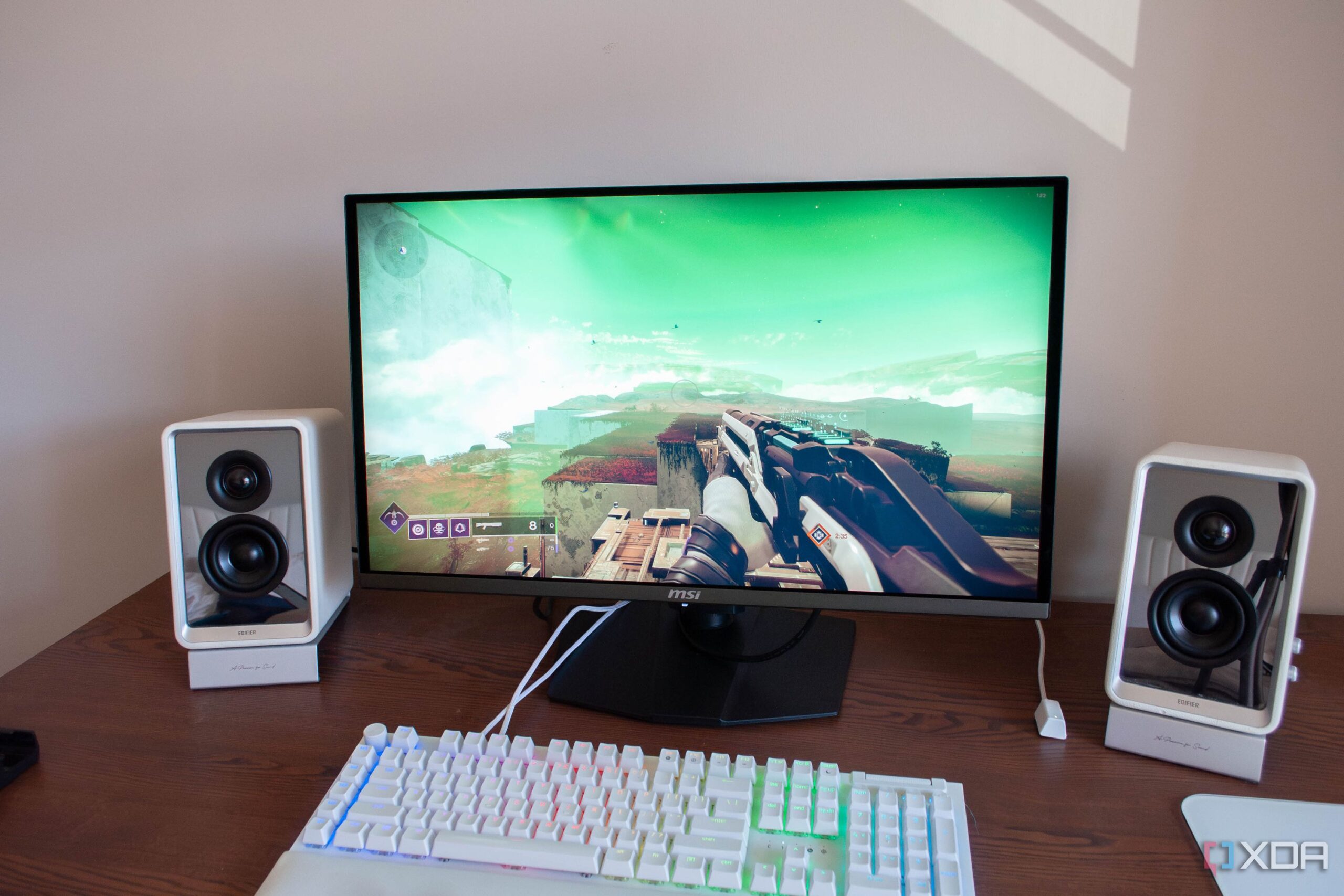
URGENT UPDATE: Many consumers are being misled by monitor specifications that promise top-tier performance but fail to deliver in real-world usage. Experts urge buyers to reconsider how they interpret these numbers, as the gap between advertised specs and actual performance is wider than ever.
Latest insights reveal that manufacturers often emphasize ideal conditions, leaving gamers and professionals with underwhelming experiences. This is especially critical as the demand for high-quality displays surges in various sectors, including gaming and graphic design.
WHAT TO WATCH FOR: Key specifications such as response times, HDR certifications, and color gamut coverage can be deceptive. For instance, monitors boasting 1ms response times rarely reflect the actual performance under typical gaming conditions. Manufacturers measure the fastest pixel transitions, ignoring slower transitions that lead to issues like ghosting and smearing.
Instead of settling for the fastest settings, users are advised to opt for moderate configurations that enhance clarity without introducing distracting artifacts. This revelation is vital for gamers seeking an immersive experience without the disappointment of overshoot effects.
HDR certifications are also under scrutiny. Many high-end gaming monitors claim HDR400 or HDR600 ratings but lack the necessary hardware to provide a true HDR experience. For example, an HDR400 monitor may not achieve the brightness or local dimming required to produce meaningful highlights. A user shared their frustrating experience with such a monitor, stating it delivered one of the worst HDR experiences ever.
In contrast, a true HDR experience typically requires an OLED monitor with pixel-level dimming or a mini-LED display with over 500 dimming zones. This critical distinction can significantly affect visual quality and user satisfaction.
Finally, the colorful claims around wide color gamut coverage, such as 98% DCI-P3, can mislead consumers. While a monitor may technically display a broad spectrum of colors, it does not guarantee accurate color reproduction. Users often find themselves adjusting settings extensively to achieve acceptable color accuracy.
For instance, one user had to recalibrate their LG 27GN950 to correct oversaturation and achieve realistic skin tones. This emphasizes the importance of not taking wide gamut claims at face value.
As consumers navigate the complex world of monitor specifications, experts recommend testing monitors before purchasing or consulting detailed reviews that evaluate claims in real-world scenarios. Understanding these nuances is essential for making informed decisions, especially as monitor technology continues to evolve rapidly.
The takeaway is clear: don’t be fooled by impressive spec sheets. Buyers must delve deeper to uncover the reality behind the numbers, ensuring they invest in monitors that truly enhance their experience.
Stay tuned for more updates as the tech community continues to unpack the reality of monitor performance versus advertised specifications.

Microsoft Faces Urgent Windows 11 Crisis Amid Core Failures

Engineering Legend Professor Ted de Winter Passes at 93

The Game Reacts to Celeste Rivas’ Death, Calls for Justice

Global Psoriasis Rates Climb Steadily, Especially in Wealthy Areas

$500,000 Grant Fuels Development of Children’s Imagination Station

OMERS Administration Corp Increases Stake in Qualcomm by 2.4%

ISOLDE Celebrates a Decade of Advances in Nuclear Research

OMERS Boosts Stake in Merck as Institutional Investors Rally

Widespread Snowstorm Hits Western New York Tonight

Inventor Achieves Breakthrough with 2 Billion FPS Laser Video

Community Unites for 7th Annual Into the Light Walk for Mental Health

Charlie Sheen’s New Romance: ‘Glowing’ with Younger Partner

Dua Lipa Aces GCSE Spanish, Sparks Super Bowl Buzz with Fans

Mother Fights to Reunite with Children After Kidnapping in New Drama

Former Mozilla CMO Launches AI-Driven Cannabis Cocktail Brand Fast

Curium Group, PeptiDream, and PDRadiopharma Launch Key Cancer Trial

Tyler Technologies Set to Reveal Q3 Earnings on October 22

Israel Reopens Rafah Crossing After Hostage Remains Returned
-
 Science1 month ago
Inventor Achieves Breakthrough with 2 Billion FPS Laser Video
-
 Health2 months ago
Community Unites for 7th Annual Into the Light Walk for Mental Health
-
 Top Stories2 months ago
Charlie Sheen’s New Romance: ‘Glowing’ with Younger Partner
-
 Entertainment2 months ago
Dua Lipa Aces GCSE Spanish, Sparks Super Bowl Buzz with Fans
-
 Entertainment2 months ago
Mother Fights to Reunite with Children After Kidnapping in New Drama
-
 Top Stories2 months ago
Former Mozilla CMO Launches AI-Driven Cannabis Cocktail Brand Fast
-
 Health2 months ago
Curium Group, PeptiDream, and PDRadiopharma Launch Key Cancer Trial
-
 Business2 months ago
Tyler Technologies Set to Reveal Q3 Earnings on October 22
-
 World2 months ago
Israel Reopens Rafah Crossing After Hostage Remains Returned
-

 World2 months ago
R&B Icon D’Angelo Dies at 51, Leaving Lasting Legacy
-

 Health2 months ago
North Carolina’s Biotech Boom: Billions in New Investments
-

 Entertainment2 months ago
Red Sox’s Bregman to Become Free Agent; Tigers Commit to Skubal