
Top Stories
Raspberry Pi Experiment: Can It Replace Your Wi-Fi Router?

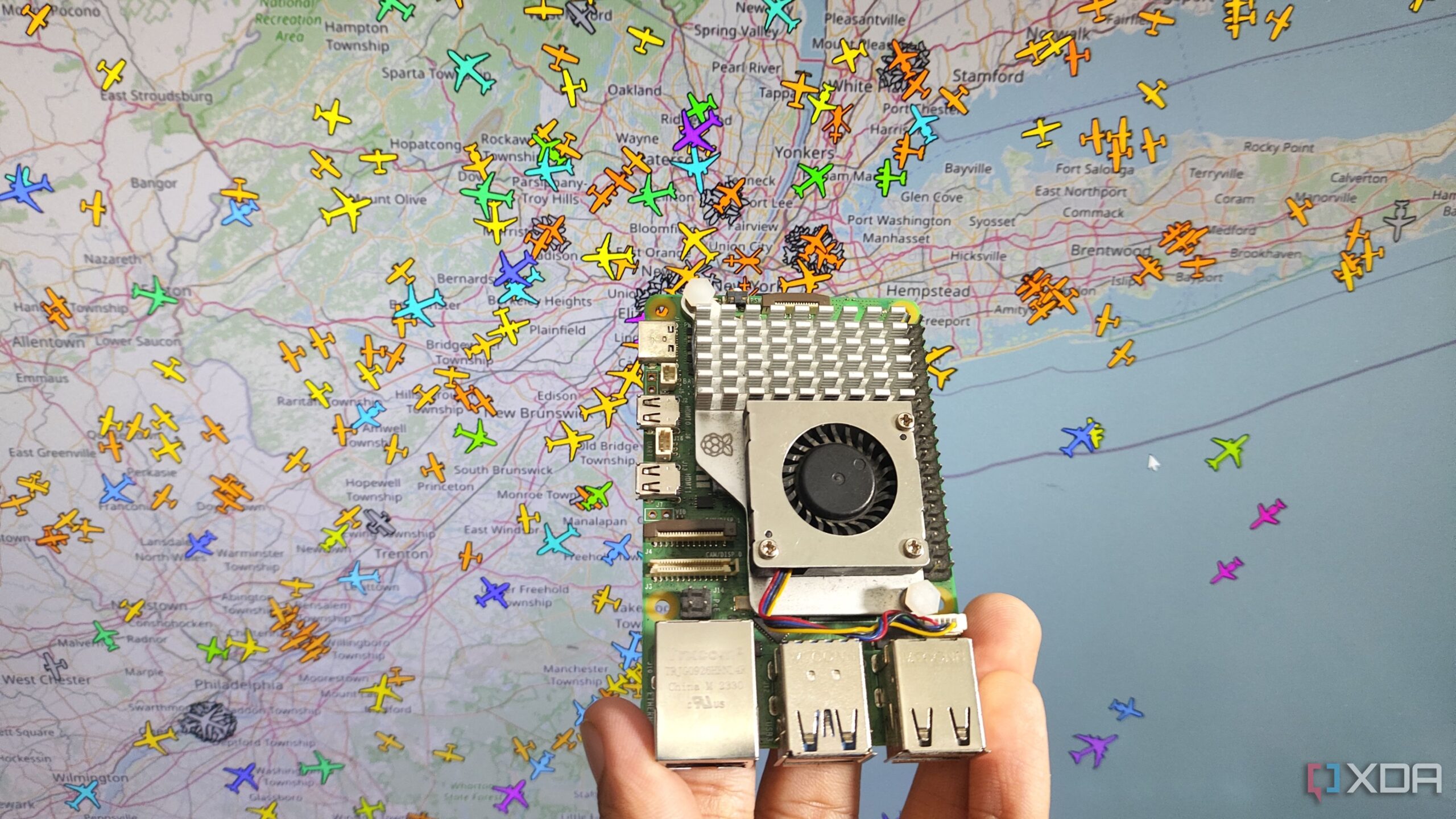
UPDATE: Tech enthusiasts are exploring whether a Raspberry Pi can effectively replace a traditional Wi-Fi router in a new wave of DIY networking experiments. As of October 2023, many are diving into this project, driven by the desire for customizable networking solutions.
The latest reports indicate that while the idea is enticing, real-world performance often falls short. Users are discovering that despite the Raspberry Pi 5 being powerful enough for various home projects, it struggles with the demands of a full-fledged router.
The main attraction for many is the ability to configure a Pi-based router with flexibility. Unlike standard routers, the Raspberry Pi allows for the installation of advanced software like OpenWrt or pfSense, giving users a chance to tailor their network setup extensively. This customization can be appealing for tech-savvy individuals seeking to learn more about home networking.
However, crucial issues arise quickly. Many users report that the wireless performance of the Raspberry Pi is inadequate for handling modern network demands, particularly in larger spaces. Even when paired with a capable USB Wi-Fi adapter, users notice significant lag compared to budget routers when multiple devices are connected.
Key challenges include routing and firewall performance. While the Pi 5 is faster than its predecessors, it can become overwhelmed with heavy traffic, such as streaming or large file transfers. The absence of hardware acceleration, common in commercial routers, leads to bottlenecks that can degrade user experience.
Moreover, the reliability of a DIY Pi router is another concern. Commercial routers are designed with firmware optimized for stability, while the Raspberry Pi relies on user configuration. A single misconfiguration can disrupt critical services like DNS or DHCP, leaving users frustrated and offline.
Despite these obstacles, the DIY journey offers invaluable learning experiences. As users navigate the complexities of setting up interfaces and forwarding rules, they gain a deeper understanding of networking principles that are often hidden behind the simple interfaces of consumer routers.
Notably, the Raspberry Pi setup encourages experimentation and skill-building. Users can run multiple services, such as Pi-hole for ad-blocking, all from a single device. This consolidation is appealing for those wanting a streamlined network, but it requires a willingness to troubleshoot and learn.
For those eager to try this themselves, experts recommend pairing the Raspberry Pi with high-quality external hardware, like a dual-band USB Wi-Fi adapter that supports access point mode. A powered USB hub is also essential to ensure stable connections.
As this trend continues to gain traction, the Raspberry Pi remains a valuable tool for tech enthusiasts eager to learn about networking, even if it falls short as a permanent router solution.
In summary, while the Raspberry Pi presents a compelling case for DIY networking, users should approach this project as an educational experiment rather than a long-term substitute for commercial routers. The insights gained can reshape how individuals evaluate and understand consumer networking hardware in the future.
Stay tuned for more updates as the DIY Raspberry Pi router experiment continues to evolve.

Urgent Arrest: Nearly 1 Pound of Fentanyl Seized in Santa Rosa

Shy Puppy Libby Tracks Down Siblings for Heartwarming Reunion

Natural Hormone FGF19 Reveals New Pathways for Fat Burning

Superman Enlists in U.S. Military: A Surprising Comic Shift

Historical Events from December 6 to 9, 2025: A Look Back

NASA Warns SpaceX Satellites Threaten Hubble’s Observations

Oppenheimer Raises Price Target for Dollar General to $145

Netflix’s $83 Million Bid for Warner Bros. Sparks Outrage

Optimize Your NotebookLM Workflow NOW: 4 Habits to Avoid

Inventor Achieves Breakthrough with 2 Billion FPS Laser Video

Community Unites for 7th Annual Into the Light Walk for Mental Health

Charlie Sheen’s New Romance: ‘Glowing’ with Younger Partner

Dua Lipa Aces GCSE Spanish, Sparks Super Bowl Buzz with Fans

Curium Group, PeptiDream, and PDRadiopharma Launch Key Cancer Trial

Mother Fights to Reunite with Children After Kidnapping in New Drama

Former Mozilla CMO Launches AI-Driven Cannabis Cocktail Brand Fast

Israel Reopens Rafah Crossing After Hostage Remains Returned

Tyler Technologies Set to Reveal Q3 Earnings on October 22
-
 Science2 months ago
Inventor Achieves Breakthrough with 2 Billion FPS Laser Video
-
 Health2 months ago
Community Unites for 7th Annual Into the Light Walk for Mental Health
-
 Top Stories2 months ago
Charlie Sheen’s New Romance: ‘Glowing’ with Younger Partner
-
 Entertainment2 months ago
Dua Lipa Aces GCSE Spanish, Sparks Super Bowl Buzz with Fans
-
 Health2 months ago
Curium Group, PeptiDream, and PDRadiopharma Launch Key Cancer Trial
-
 Entertainment2 months ago
Mother Fights to Reunite with Children After Kidnapping in New Drama
-
 Top Stories2 months ago
Former Mozilla CMO Launches AI-Driven Cannabis Cocktail Brand Fast
-
 World2 months ago
Israel Reopens Rafah Crossing After Hostage Remains Returned
-
 Business2 months ago
Tyler Technologies Set to Reveal Q3 Earnings on October 22
-

 World2 months ago
R&B Icon D’Angelo Dies at 51, Leaving Lasting Legacy
-

 Health2 months ago
North Carolina’s Biotech Boom: Billions in New Investments
-

 Entertainment2 months ago
Red Sox’s Bregman to Become Free Agent; Tigers Commit to Skubal