
Top Stories
USB 3.0 Revealed to Cause Unexpected Problems Over USB 2.0

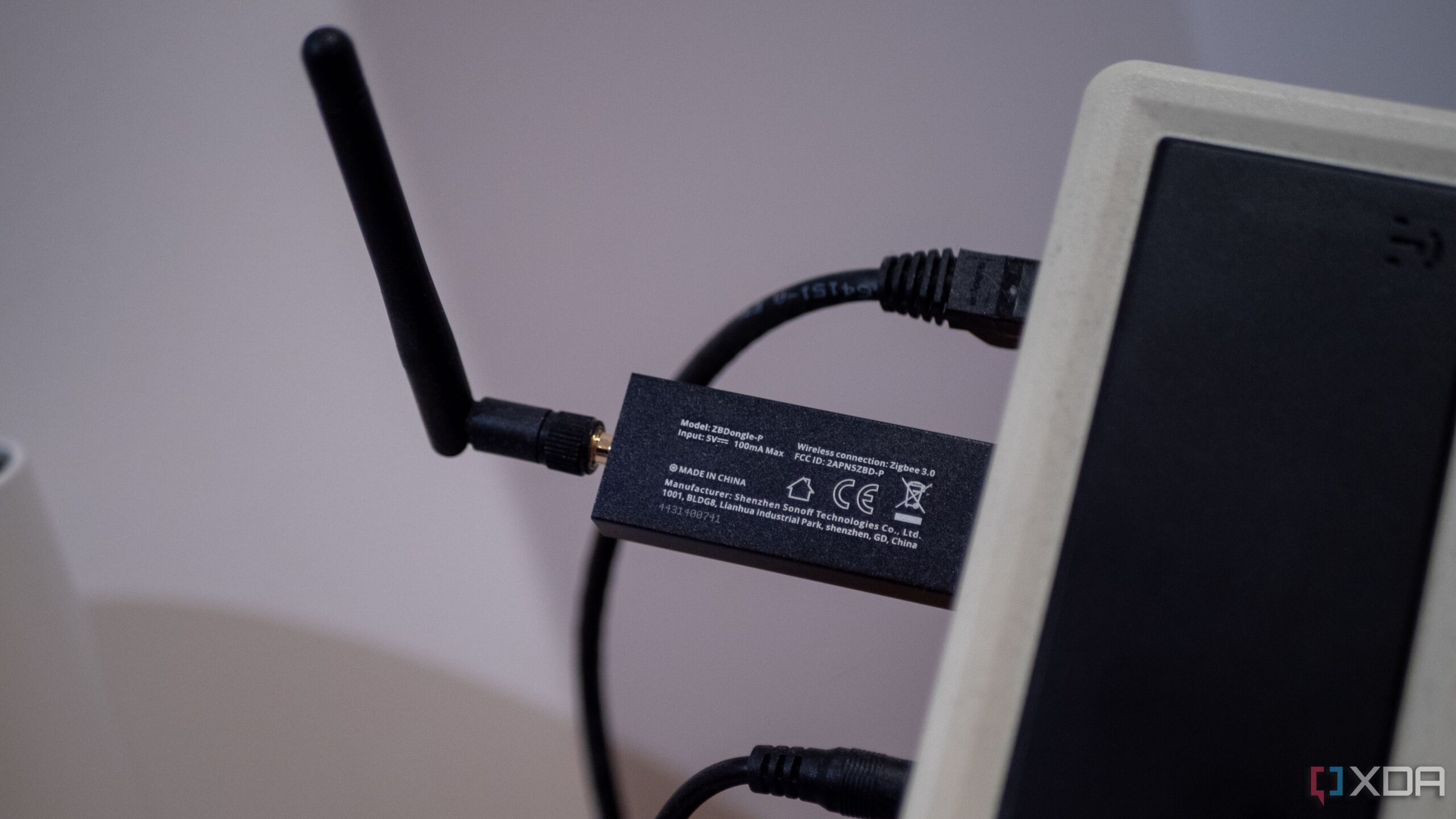
URGENT UPDATE: New findings reveal that USB 3.0, while boasting speeds up to 10 times faster than USB 2.0, can lead to significant issues in real-world scenarios. As of July 15, 2023, users are urged to reconsider their reliance on USB 3.0 ports, especially for everyday applications.
While USB 3.0 supports speeds of 5 Gbps compared to USB 2.0’s 480 Mbps, this leap in performance does not come without drawbacks. Crucially, USB 3.0 can interfere with 2.4 GHz wireless signals, which affects devices like Bluetooth and Wi-Fi. Intel’s recent whitepaper confirms that operational USB 3.0 devices may render nearby wireless peripherals, such as keyboards and mice, unusable. The interference is severe enough that switching to USB 2.0 can be an immediate solution for users facing connectivity issues.
In addition to interference, USB 3.0 ports draw more power—raising the budget from 500 mA to 900 mA. This increased demand leads to higher heat generation, which can be problematic for laptops and compact devices that lack adequate cooling. Users trying to maximize battery life or reduce thermal output may find USB 2.0 to be a more efficient choice.
Moreover, USB 3.0’s stringent cable requirements highlight another critical issue. Poor-quality cables can compromise performance, causing unstable connections or forcing devices to revert to USB 2.0 speeds. In contrast, USB 2.0 maintains functionality even with lower-quality or longer cables, providing users with a reliable alternative in environments filled with less durable equipment.
The backward compatibility of USB 3.0 can be misleading. While it is designed to support older devices, the complexity of USB 3.0 controllers often leads to unpredictable behavior. Legacy devices, including vintage peripherals and older printers, frequently operate more reliably on USB 2.0 ports. Users experiencing issues with older technology may find that reverting to USB 2.0 resolves their problems.
Finally, the complexity of USB 3.0 drivers presents additional challenges. Users may encounter conflicts, higher latency, and chipset-specific bugs, complicating driver installation and system performance. In contrast, USB 2.0’s simplicity offers a more stable and well-understood experience for older systems.
As USB 3.0 continues to be widely adopted, these findings are crucial for users to consider when choosing ports for their devices. Enthusiasts and everyday users alike may want to maintain USB 2.0 ports as a reliable option for specific applications.
As this situation develops, users are encouraged to stay informed about the implications of using USB 3.0 versus USB 2.0. The ongoing debate emphasizes the importance of evaluating both speed and reliability in everyday technology.

Chicago Remembers Deadly Our Lady of Angels Fire, 92 Lives Lost

Small Business Healthcare Gap Threatens Employee Well-being

Claret Asset Management Cuts Stake in Johnson & Johnson

Ed Sheeran and Taylor Swift Reconnect After Engagement News

Organ Transplant Waitlist Integrity Questioned Amid New Rules

Capricorn’s December 2025: A Month of Growth and Reflection

HSBC Reduces Stake in GE HealthCare Technologies by 8.2%

Homemade Ding Dong Cake Recipe Surges in Popularity: Make It Now!

ChatGPT Surges to 800 Million Users in Just 3 Years!

Inventor Achieves Breakthrough with 2 Billion FPS Laser Video

Community Unites for 7th Annual Into the Light Walk for Mental Health

Charlie Sheen’s New Romance: ‘Glowing’ with Younger Partner

Dua Lipa Aces GCSE Spanish, Sparks Super Bowl Buzz with Fans

Mother Fights to Reunite with Children After Kidnapping in New Drama

Former Mozilla CMO Launches AI-Driven Cannabis Cocktail Brand Fast

Curium Group, PeptiDream, and PDRadiopharma Launch Key Cancer Trial

Tyler Technologies Set to Reveal Q3 Earnings on October 22

Israel Reopens Rafah Crossing After Hostage Remains Returned
-
 Science1 month ago
Inventor Achieves Breakthrough with 2 Billion FPS Laser Video
-
 Health2 months ago
Community Unites for 7th Annual Into the Light Walk for Mental Health
-
 Top Stories2 months ago
Charlie Sheen’s New Romance: ‘Glowing’ with Younger Partner
-
 Entertainment2 months ago
Dua Lipa Aces GCSE Spanish, Sparks Super Bowl Buzz with Fans
-
 Entertainment2 months ago
Mother Fights to Reunite with Children After Kidnapping in New Drama
-
 Top Stories1 month ago
Former Mozilla CMO Launches AI-Driven Cannabis Cocktail Brand Fast
-
 Health2 months ago
Curium Group, PeptiDream, and PDRadiopharma Launch Key Cancer Trial
-
 Business2 months ago
Tyler Technologies Set to Reveal Q3 Earnings on October 22
-
 World2 months ago
Israel Reopens Rafah Crossing After Hostage Remains Returned
-

 World2 months ago
R&B Icon D’Angelo Dies at 51, Leaving Lasting Legacy
-

 Health2 months ago
North Carolina’s Biotech Boom: Billions in New Investments
-

 Entertainment2 months ago
Red Sox’s Bregman to Become Free Agent; Tigers Commit to Skubal