
World
Accused Shooter Linked to CIA Operations in Afghanistan

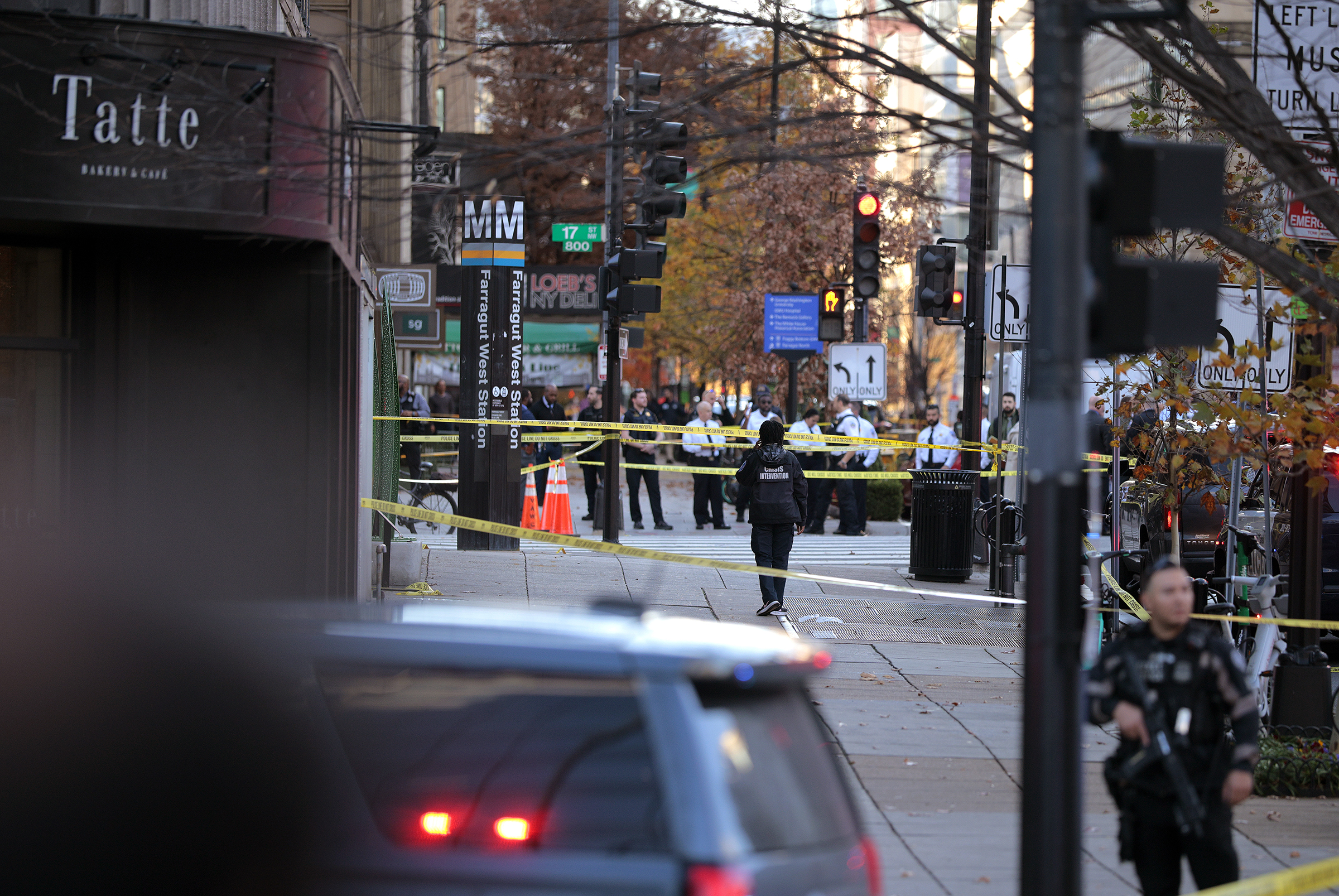
A native of Afghanistan, accused of shooting two National Guard members in Washington, D.C., has been identified as having previously worked with the CIA in Afghanistan. Rahmanullah Lakanwal, who arrived in the United States following the U.S. withdrawal from Afghanistan in August 2021, is one of approximately 76,000 Afghans resettled in the U.S. as part of the program known as Operation Allies Welcome.
This operation was established after the U.S. decision to exit Afghanistan, which followed two decades of military engagement. President Joe Biden, who oversaw the withdrawal initiated by his predecessor, Donald Trump, emphasized the obligation to protect those who aided American forces, including interpreters and support staff. However, critics argue that the vetting process for these refugees was insufficient, raising concerns about security.
According to CIA Director John Ratcliffe, Lakanwal served with a partner force in Kandahar, a region known for its intense conflict between NATO troops and the Taliban. Ratcliffe did not disclose the specifics of Lakanwal’s role with the CIA, but the agency has historically relied on Afghan personnel for critical support during operations.
Details surrounding Lakanwal’s life in the U.S. remain sparse. He lived in Bellingham, Washington, with his wife and five children. He was granted asylum in April under the Trump administration, which involved thorough background checks, including fingerprinting and risk assessments, as noted by the group #AfghanEvac, which assists Afghans seeking refuge in the U.S.
The actions of Lakanwal have sparked discussions about the broader implications for the Afghan refugee community. Advocates stress that one individual’s actions should not overshadow the experiences of the many Afghans who have successfully integrated into American society. Shawn VanDiver, president of #AfghanEvac, cautioned against politicizing the incident, stating, “I don’t want people to leverage this tragedy into a political ploy.”
Following the U.S. evacuation, many Afghan refugees found temporary shelter on military bases, such as Joint Base McGuire-Dix-Lakehurst in New Jersey and Fort McCoy in Wisconsin. After undergoing extensive health screenings and background checks, many have settled in established Afghan communities across the U.S., particularly in Northern Virginia, California, and Texas. States like Arizona, New York, and Florida have seen between 1,000 to 3,000 Afghan refugees resettle.
The situation surrounding refugee resettlement became more challenging after Trump’s executive order in January 2017, which suspended federal funding for resettlement agencies. This decision hindered the ability of organizations to provide essential support to refugees, including food and housing assistance.
In response to the shooting, Trump reiterated his administration’s commitment to reviewing every Afghan who entered the country under Operation Allies Welcome. He remarked, “If they can’t love our country, we don’t want them,” emphasizing a zero-tolerance stance toward individuals who pose a security threat.
The case of Lakanwal raises complex questions about the refugee vetting process and the integration of Afghans into American society. As the nation grapples with the implications of this incident, many refugees, like Mohammad Saboor, who worked with international forces for 17 years and recently resettled in California, express hope for a peaceful future. “I believe that now we can live in a 100% peaceful environment,” Saboor stated, highlighting the aspirations of many seeking safety and stability in their new home.

Church Members Unite After Devastating Thanksgiving Fire

Brock Purdy Shines with Hip-Hop Flair in 49ers’ 26-8 Win

Repurposed Drug Shows Promise in Reversing Alzheimer’s in Mice

Rams Suffer Humbling Loss, Fall from NFC’s Top Position

Trump Promises to Release MRI Results from October Scan

Tracy Davidson Transitions to Motivational Speaking After TV Career

Short-Term Nitrous Oxide Treatment Shows Promise for Depression

South Korea Urgently Strengthens FX Oversight Amid Volatility

Poughkeepsie Residents Outraged by ‘X-Rated’ Christmas Lights

Inventor Achieves Breakthrough with 2 Billion FPS Laser Video

Community Unites for 7th Annual Into the Light Walk for Mental Health

Charlie Sheen’s New Romance: ‘Glowing’ with Younger Partner

Dua Lipa Aces GCSE Spanish, Sparks Super Bowl Buzz with Fans

Mother Fights to Reunite with Children After Kidnapping in New Drama

Former Mozilla CMO Launches AI-Driven Cannabis Cocktail Brand Fast

Curium Group, PeptiDream, and PDRadiopharma Launch Key Cancer Trial

Tyler Technologies Set to Reveal Q3 Earnings on October 22

Israel Reopens Rafah Crossing After Hostage Remains Returned
-
 Science1 month ago
Inventor Achieves Breakthrough with 2 Billion FPS Laser Video
-
 Health2 months ago
Community Unites for 7th Annual Into the Light Walk for Mental Health
-
 Top Stories2 months ago
Charlie Sheen’s New Romance: ‘Glowing’ with Younger Partner
-
 Entertainment2 months ago
Dua Lipa Aces GCSE Spanish, Sparks Super Bowl Buzz with Fans
-
 Entertainment2 months ago
Mother Fights to Reunite with Children After Kidnapping in New Drama
-
 Top Stories1 month ago
Former Mozilla CMO Launches AI-Driven Cannabis Cocktail Brand Fast
-
 Health2 months ago
Curium Group, PeptiDream, and PDRadiopharma Launch Key Cancer Trial
-
 Business2 months ago
Tyler Technologies Set to Reveal Q3 Earnings on October 22
-
 World2 months ago
Israel Reopens Rafah Crossing After Hostage Remains Returned
-

 Health2 months ago
North Carolina’s Biotech Boom: Billions in New Investments
-

 World2 months ago
R&B Icon D’Angelo Dies at 51, Leaving Lasting Legacy
-

 Entertainment2 months ago
Red Sox’s Bregman to Become Free Agent; Tigers Commit to Skubal