
World
ACIP Votes to Change Hepatitis B Vaccine Guidelines, Raising Concerns

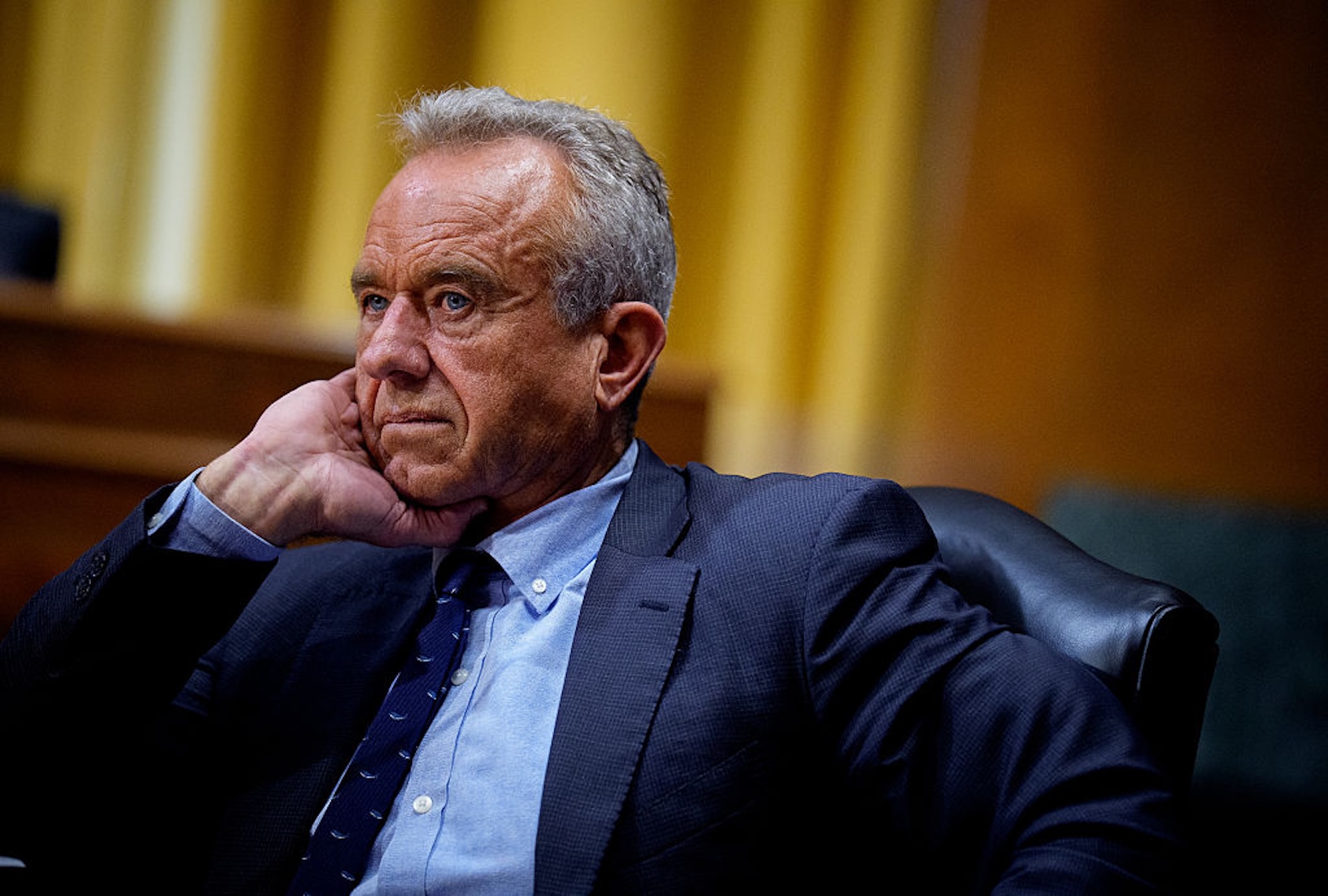
On March 22, 2024, the Advisory Committee on Immunization Practices (ACIP) voted 8-3 to revise its longstanding recommendation that all infants receive the hepatitis B vaccine at birth. This decision, reached after contentious discussions, has sparked significant concern among public health experts regarding the potential health risks for children and pregnant women.
The ACIP’s new guideline suggests that infants whose mothers test negative for hepatitis B should receive their first vaccine dose 30 days after birth, rather than within the first 24 hours of life. This marks a notable shift from the previous recommendation in place since 1991, which contributed to a remarkable 99% decrease in severe hepatitis B infections between 1990 and 2019.
The vote follows unverified claims made by Vinay Prasad, director of the FDA’s Center for Biologics Evaluation and Research (CBER), who alleged in an internal memo that the COVID-19 vaccine was linked to the deaths of ten children. Public health experts have described these assertions as baseless and concerning, emphasizing that they could undermine confidence in vaccination programs.
Dr. Susan J. Kressly, president of the American Academy of Pediatrics (AAP), criticized the committee’s decision, stating, “This irresponsible and purposely misleading guidance will lead to more hepatitis B infections in infants and children.” She reassured parents that there is no new evidence prompting this change and warned that the decision reflects a strategy to instill fear and distrust in families regarding vaccinations.
In a press conference prior to the vote, Dr. Raynard Washington, chair of the Big Cities Health Coalition, highlighted the potential dangers of introducing barriers to vaccine access. He stated that the proposed delay in administering the hepatitis B vaccine could lead families to forgo vaccination altogether. Washington argued that the responsibility of deciding whether to vaccinate immediately after birth should rest with healthcare providers rather than parents.
The impact of the ACIP’s decision on public health remains uncertain. Delays in vaccination could increase the risk of hepatitis B infections among newborns, a concern echoed by Dr. Sean O’Leary, chair of the AAP Committee on Infectious Diseases. O’Leary expressed alarm at what he described as a dangerous phase in public health policy, warning that any changes to the childhood immunization schedule could have dire consequences.
“The timing of each dose is critical,” O’Leary explained, emphasizing that the schedule is designed to provide optimal protection against harmful diseases. He stated, “There’s no reason to delay or space out vaccines. Doing so just puts children at risk.”
The memo from Prasad also indicated plans to reevaluate yearly flu-shot policies and impose stricter approval requirements for vaccines. While it is accurate that COVID-19 vaccines have not been tested in randomized controlled trials for pregnant women, the memo did not address the risks associated with remaining unvaccinated during pregnancy. According to the Centers for Disease Control and Prevention (CDC), pregnant women face a higher risk of severe outcomes from COVID-19 compared to their non-pregnant counterparts.
Stephanie Gaw, an assistant professor at the University of California, San Francisco’s Center for Reproductive Sciences, warned that the proposed changes could disadvantage pregnant individuals seeking essential vaccinations. “Trials to demonstrate a reduction in disease burden require thousands of study participants, which would be incredibly costly and likely unachievable in a reasonable time frame,” Gaw noted.
Public health departments are already grappling with reduced resources and vaccine access issues. Phil Huang, director of Dallas County Health and Human Services, reported that his department faced significant funding cuts, resulting in staff layoffs and the cancellation of community outreach initiatives. The U.S. Department of Health and Human Services had previously canceled $500 million in funding for mRNA vaccine development, further straining local health resources.
Despite these changes, the AAP continues to advocate for the original hepatitis B vaccination schedule, recommending that all infants receive their first dose within 24 hours of birth. Dr. Kressly reaffirmed the importance of the established timing, stating, “The pacing of these doses has been rigorously tested and proven to be safe and effective over several decades.”
As the implications of the ACIP’s decision unfold, many are calling for a return to evidence-based policies that prioritize public health and the well-being of children and families.

Raspberry Pi Experiment: Can It Replace Your Wi-Fi Router?

Discovering Holiday Kindness Through Global Traditions

Addressing the Holiday Mental Health Crisis: A Call for Action

New Hotel Group Set to Launch Arthouse Glasgow in 2026

Arcus Biosciences President Juan Jaen Sells Over $2 Million in Shares

Study Confirms Safe Stem Cell Transplants from Unrelated Donors

Sharks Struggle Offensively as Celebrini’s Impact Grows

Luka Doncic Welcomes Second Daughter, Olivia, Amid Lakers Absence

Urgent Update: Winter Gas Myths Debunked—What Drivers Must Know

Inventor Achieves Breakthrough with 2 Billion FPS Laser Video

Community Unites for 7th Annual Into the Light Walk for Mental Health

Charlie Sheen’s New Romance: ‘Glowing’ with Younger Partner

Dua Lipa Aces GCSE Spanish, Sparks Super Bowl Buzz with Fans

Curium Group, PeptiDream, and PDRadiopharma Launch Key Cancer Trial

Mother Fights to Reunite with Children After Kidnapping in New Drama

Former Mozilla CMO Launches AI-Driven Cannabis Cocktail Brand Fast

Israel Reopens Rafah Crossing After Hostage Remains Returned

Tyler Technologies Set to Reveal Q3 Earnings on October 22
-
 Science2 months ago
Inventor Achieves Breakthrough with 2 Billion FPS Laser Video
-
 Health2 months ago
Community Unites for 7th Annual Into the Light Walk for Mental Health
-
 Top Stories2 months ago
Charlie Sheen’s New Romance: ‘Glowing’ with Younger Partner
-
 Entertainment2 months ago
Dua Lipa Aces GCSE Spanish, Sparks Super Bowl Buzz with Fans
-
 Health2 months ago
Curium Group, PeptiDream, and PDRadiopharma Launch Key Cancer Trial
-
 Entertainment2 months ago
Mother Fights to Reunite with Children After Kidnapping in New Drama
-
 Top Stories2 months ago
Former Mozilla CMO Launches AI-Driven Cannabis Cocktail Brand Fast
-
 World2 months ago
Israel Reopens Rafah Crossing After Hostage Remains Returned
-
 Business2 months ago
Tyler Technologies Set to Reveal Q3 Earnings on October 22
-

 World2 months ago
R&B Icon D’Angelo Dies at 51, Leaving Lasting Legacy
-

 Health2 months ago
North Carolina’s Biotech Boom: Billions in New Investments
-

 Entertainment2 months ago
Red Sox’s Bregman to Become Free Agent; Tigers Commit to Skubal