
World
California Issues Warning After Discovery of Contaminated Wild Pig Meat

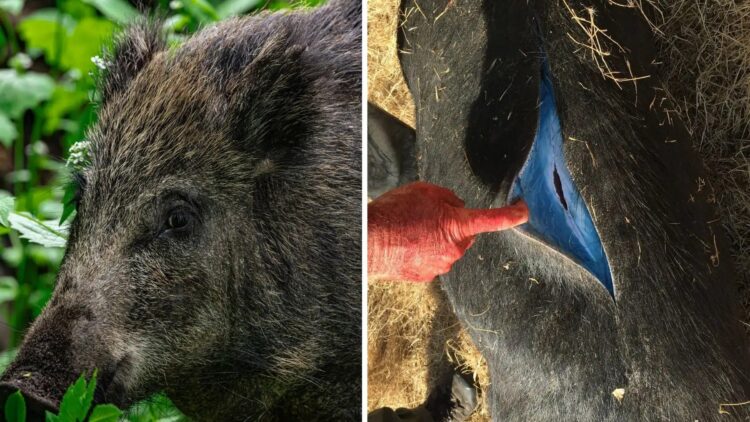
The California Department of Fish and Wildlife (CDFW) has issued a warning regarding contamination of wild pig meat in Monterey County. This alert follows reports from hunters who discovered that the pigs’ meat exhibited an unusual neon blue coloration, prompting concerns about potential rodenticide poisoning.
Hunters initially reported their findings, expressing alarm over the vivid blue hue of the meat. Dan Burton, a wildlife control company owner, described the color as “neon blue, blueberry blue” in a conversation with Salvador Hernández of the Los Angeles Times. Following these reports, the CDFW conducted investigations that confirmed the blue color resulted from poisoning linked to the ingestion of rodenticides.
According to Ryan Bourbour, the pesticide research coordinator at the CDFW, “Hunters should be aware that the meat of game animals, such as wild pigs, deer, bears, and geese, can be contaminated if that animal has been exposed to rodenticides.” Bourbour emphasized the risks not only to wildlife but also to humans who might consume the affected meat.
Understanding Rodenticides and Their Impact
Difacinona, a first-generation rodenticide, is among the substances implicated in this incident. It functions as an anticoagulant, leading to severe internal bleeding in animals that ingest it. This chemical is commonly used in agricultural settings to manage rodent populations. The mechanism of action involves binding to an enzyme that recycles vitamin K, which is crucial for blood clotting. Even after the chemical breaks down, residues can remain in the tissues of deceased animals, posing a threat to predators and humans alike.
The CDFW has urged pesticide applicators to exercise caution when using rodenticides, particularly in areas close to wildlife habitats. The agency recommends ensuring that wildlife is not present in the application area and utilizing appropriate bait stations and methods to limit access by non-target species.
Broader Concerns About Pesticide Use
The issue of chemical pesticide use is not new. Various wildlife groups have long advocated against reliance on these substances due to the extensive collateral damage they inflict on ecosystems. Numerous studies have documented the adverse effects of rodenticides on various species, including raptors, mountain lions, bobcats, and even endangered species such as the northern spotted owl and the San Joaquin fox.
A recent study conducted in the United States revealed concerning findings related to pesticide residues. Specifically, the insecticide chlorpyrifos was found to cause structural abnormalities in the brains of children and adolescents, raising alarms about the safety of food sources contaminated by excessive pesticide use.
The study noted, “The excessive and uncontrolled use of pesticides has led to contamination of food, as well as environmental, agricultural, and aquatic pollution.” It highlighted the urgent need for international cooperation to combat the global threats posed by pesticides.
The situation in Monterey County underscores the importance of responsible pesticide application and the potential consequences of negligence. As awareness grows about the risks associated with rodenticides, both wildlife and human health remain at the forefront of discussions around pesticide regulations and practices.

Alex Jones Claims Military Coup Against Trump is Underway

California Issues Warning After Discovery of Contaminated Wild Pig Meat

Chick-fil-A to Shift 400 Locations to Owner-Operator Model

Cincinnati’s Feast of Carols Celebrates Holiday Spirit with Music

CEO Shares Five Tips to Become a Morning Person Without Alarms

Iconic Stahl House Listed for $25 Million, Offers Exclusive Tour

Chick-fil-A to Shift 400 Locations to Owner-Operator Model NOW

Church’s Controversial Nativity Scene Sparks Outrage Over ICE Message

Sean Ryan to be Sworn in as Buffalo Mayor on New Year’s Day

Inventor Achieves Breakthrough with 2 Billion FPS Laser Video

Community Unites for 7th Annual Into the Light Walk for Mental Health

Charlie Sheen’s New Romance: ‘Glowing’ with Younger Partner

Dua Lipa Aces GCSE Spanish, Sparks Super Bowl Buzz with Fans

Mother Fights to Reunite with Children After Kidnapping in New Drama

Curium Group, PeptiDream, and PDRadiopharma Launch Key Cancer Trial

Israel Reopens Rafah Crossing After Hostage Remains Returned

Former Mozilla CMO Launches AI-Driven Cannabis Cocktail Brand Fast

Tyler Technologies Set to Reveal Q3 Earnings on October 22
-
 Science2 months ago
Inventor Achieves Breakthrough with 2 Billion FPS Laser Video
-
 Health2 months ago
Community Unites for 7th Annual Into the Light Walk for Mental Health
-
 Top Stories2 months ago
Charlie Sheen’s New Romance: ‘Glowing’ with Younger Partner
-
 Entertainment2 months ago
Dua Lipa Aces GCSE Spanish, Sparks Super Bowl Buzz with Fans
-
 Entertainment2 months ago
Mother Fights to Reunite with Children After Kidnapping in New Drama
-
 Health2 months ago
Curium Group, PeptiDream, and PDRadiopharma Launch Key Cancer Trial
-
 World2 months ago
Israel Reopens Rafah Crossing After Hostage Remains Returned
-
 Top Stories2 months ago
Former Mozilla CMO Launches AI-Driven Cannabis Cocktail Brand Fast
-
 Business2 months ago
Tyler Technologies Set to Reveal Q3 Earnings on October 22
-

 Health2 months ago
North Carolina’s Biotech Boom: Billions in New Investments
-

 World2 months ago
R&B Icon D’Angelo Dies at 51, Leaving Lasting Legacy
-

 Entertainment2 months ago
Red Sox’s Bregman to Become Free Agent; Tigers Commit to Skubal