
World
EU Proposes Changes to Tech Laws to Encourage Innovation

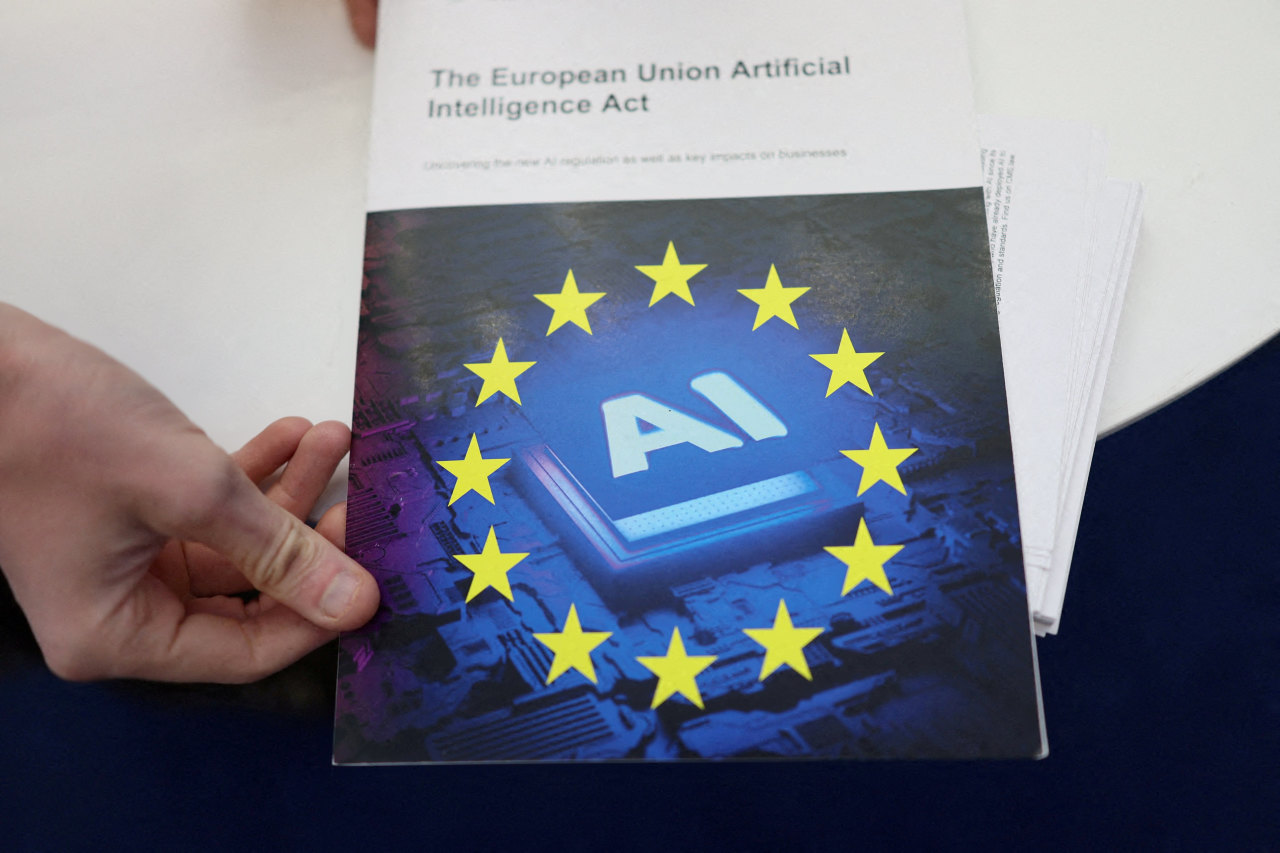
The European Union (EU) has unveiled a proposal aimed at overhauling its technology regulations, particularly focusing on the AI Act. This initiative seeks to facilitate greater innovation by expanding access to regulatory sandboxes for developers and revising existing data privacy regulations.
This significant move comes as the EU grapples with balancing innovation and regulatory oversight in an increasingly digital landscape. The proposed changes are intended to create a more flexible environment that encourages developers to experiment with artificial intelligence technologies while ensuring compliance with necessary safety standards.
Details of the Proposal
The EU’s revised approach to the AI Act emphasizes the importance of fostering innovation. By allowing more developers to utilize regulatory sandboxes, the EU aims to provide a controlled setting where new technologies can be tested. These sandboxes are designed to help innovators navigate the complex regulatory framework while assessing the viability and safety of their products.
In addition to the sandbox initiative, the proposal includes changes to data privacy rules. The EU recognizes that as technology evolves, so must the regulations that govern it. This adjustment is anticipated to streamline processes for developers, potentially reducing the burden of compliance without compromising user privacy.
The EU’s plan is a response to growing calls from the tech industry for more adaptable regulatory frameworks. Many in the sector argue that the current regulations can stifle innovation and hinder the development of advanced technologies. By modernizing these laws, the EU hopes to position itself as a leader in technological advancement on the global stage.
Impact on the Tech Industry
The proposed changes are likely to have a profound impact on the tech industry across Europe. Developers, particularly startups, may find new opportunities to launch innovative products and services without the heavy constraints of traditional regulations. This initiative could lead to increased investment in the sector as companies seek to capitalize on the more favorable conditions.
Moreover, the EU’s efforts to revise its tech laws align with similar initiatives in other regions, such as the United States and Asia, where regulatory frameworks are also evolving to keep pace with technological advancements. As these changes unfold, the global tech landscape may experience a shift, with Europe potentially becoming a more attractive environment for tech development.
By laying out this comprehensive plan, the EU is taking a proactive stance in the ongoing dialogue about the future of technology and its regulation. The implications of these changes will be closely monitored not only by industry stakeholders but also by consumers who rely on these technologies in their daily lives.

University of Arizona Identifies Immune Cell Linked to Fibrosis

Alex Singleton Shines in Comeback Game After Cancer Diagnosis

Four Arrested in Australia for Sharing Disturbing Child Abuse Material

Ethereum Could Be on the Brink of a Supercycle Despite Price Dip

George Clooney Reflects on Losing Iconic Role to Brad Pitt

Experts Reframe Lung Cancer as a Treatable Condition, Not a Stigma

Urgent Update: Fire Erupts at Indigo Apartments in OKC

Elon Musk Declares AI Will Solve US Debt Crisis in 3 Years

Shai Gilgeous-Alexander Chases Wilt Chamberlain’s Scoring Streak

Inventor Achieves Breakthrough with 2 Billion FPS Laser Video

Community Unites for 7th Annual Into the Light Walk for Mental Health

Charlie Sheen’s New Romance: ‘Glowing’ with Younger Partner

Dua Lipa Aces GCSE Spanish, Sparks Super Bowl Buzz with Fans

Mother Fights to Reunite with Children After Kidnapping in New Drama

Former Mozilla CMO Launches AI-Driven Cannabis Cocktail Brand Fast

Tyler Technologies Set to Reveal Q3 Earnings on October 22

Curium Group, PeptiDream, and PDRadiopharma Launch Key Cancer Trial

Israel Reopens Rafah Crossing After Hostage Remains Returned
-
 Science1 month ago
Inventor Achieves Breakthrough with 2 Billion FPS Laser Video
-
 Health2 months ago
Community Unites for 7th Annual Into the Light Walk for Mental Health
-
 Top Stories2 months ago
Charlie Sheen’s New Romance: ‘Glowing’ with Younger Partner
-
 Entertainment2 months ago
Dua Lipa Aces GCSE Spanish, Sparks Super Bowl Buzz with Fans
-
 Entertainment2 months ago
Mother Fights to Reunite with Children After Kidnapping in New Drama
-
 Top Stories1 month ago
Former Mozilla CMO Launches AI-Driven Cannabis Cocktail Brand Fast
-
 Business2 months ago
Tyler Technologies Set to Reveal Q3 Earnings on October 22
-
 Health2 months ago
Curium Group, PeptiDream, and PDRadiopharma Launch Key Cancer Trial
-
 World2 months ago
Israel Reopens Rafah Crossing After Hostage Remains Returned
-

 World2 months ago
R&B Icon D’Angelo Dies at 51, Leaving Lasting Legacy
-

 Health2 months ago
North Carolina’s Biotech Boom: Billions in New Investments
-

 Entertainment2 months ago
Red Sox’s Bregman to Become Free Agent; Tigers Commit to Skubal