
World
Great White Shark ‘Ripple’ Explores Gulf of Mexico, Aiding Conservation

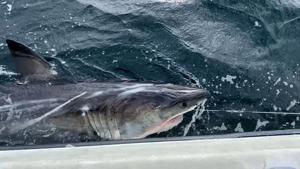
A great white shark named Ripple has embarked on an extraordinary journey into the Gulf of Mexico, marking a significant milestone in marine research. This venture, which took place in August 2023, not only showcases the migratory patterns of these apex predators but also supports long-term predictions regarding their behavior. Researchers believe Ripple’s journey can inform future conservation strategies aimed at protecting shark populations.
Ripple’s movement was tracked using advanced satellite technology, allowing scientists to monitor his location and behavior in real-time. This data is crucial as it sheds light on the habits of great white sharks, a species that has been the subject of extensive studies. According to the National Oceanic and Atmospheric Administration (NOAA), understanding these patterns is vital for developing effective conservation efforts.
Significance of Ripple’s Journey
The Gulf of Mexico, known for its rich marine biodiversity, has long been a focal point for research on shark migration. Ripple’s recent deep dive into these waters corroborates existing data that predict great white sharks would extend their range further into the Gulf. Dr. Emily H. Thompson, a leading marine biologist involved in the study, stated, “Ripple’s journey is a remarkable confirmation of our long-term data predictions. It highlights the adaptability of great white sharks and their changing habitats.”
This movement not only reveals the shark’s navigational skills but also raises awareness about the challenges sharks face due to climate change and overfishing. As their natural habitats shift, conservationists are increasingly concerned about the long-term survival of these species. The data collected from Ripple’s journey will assist in formulating policies that address these pressing issues.
Implications for Conservation Efforts
The findings from Ripple’s journey are expected to play a pivotal role in shaping conservation strategies. By analyzing his route and behavior, researchers can identify critical habitats that require protection. This information is essential for establishing marine protected areas that offer safe havens for sharks and other marine life.
Furthermore, Ripple’s expedition emphasizes the need for international collaboration in marine conservation. As sharks traverse vast oceanic regions, efforts to protect them must also cross national boundaries. Partnerships between countries and organizations will be crucial in safeguarding these migratory routes.
In conclusion, the journey of great white shark Ripple into the Gulf of Mexico serves as a timely reminder of the importance of marine research and conservation. The data gleaned from this expedition will not only enhance our understanding of shark behavior but also guide future efforts to protect these magnificent creatures. As researchers continue to monitor Ripple and his counterparts, the hope is that their findings will lead to effective strategies that ensure the survival of great white sharks for generations to come.

Urgent: Trailer for Ana Urushadze’s ‘Supporting Role’ Drops Ahead of Rotterdam Premiere

Discover 20 Celebrities Sharing Their Adoption Journeys

Embracing Gratitude as a Strategy for Community Renewal

Tackling Overexploitation: A Call for Global Trade Regulation

Center Line Defeats Roseville 51-41 in Crossover Showdown

AOC Jokes About ‘Stomping’ JD Vance Amid 2028 Poll Surge

Urgent Move: Venezuela Targets Oil Tankers Amid Global Crisis

Homemade Potato Bread Recipe Surges in Popularity Amid Cozy Season

South Korean Professor Warns Judicial Reforms Threaten Democracy

Inventor Achieves Breakthrough with 2 Billion FPS Laser Video

Community Unites for 7th Annual Into the Light Walk for Mental Health

Charlie Sheen’s New Romance: ‘Glowing’ with Younger Partner

Dua Lipa Aces GCSE Spanish, Sparks Super Bowl Buzz with Fans

Curium Group, PeptiDream, and PDRadiopharma Launch Key Cancer Trial

Former Mozilla CMO Launches AI-Driven Cannabis Cocktail Brand Fast

Mother Fights to Reunite with Children After Kidnapping in New Drama

R&B Icon D’Angelo Dies at 51, Leaving Lasting Legacy

Israel Reopens Rafah Crossing After Hostage Remains Returned
-
 Science2 months ago
Inventor Achieves Breakthrough with 2 Billion FPS Laser Video
-
 Health2 months ago
Community Unites for 7th Annual Into the Light Walk for Mental Health
-
 Top Stories2 months ago
Charlie Sheen’s New Romance: ‘Glowing’ with Younger Partner
-
 Entertainment2 months ago
Dua Lipa Aces GCSE Spanish, Sparks Super Bowl Buzz with Fans
-
 Health2 months ago
Curium Group, PeptiDream, and PDRadiopharma Launch Key Cancer Trial
-
 Top Stories2 months ago
Former Mozilla CMO Launches AI-Driven Cannabis Cocktail Brand Fast
-
 Entertainment2 months ago
Mother Fights to Reunite with Children After Kidnapping in New Drama
-
 World2 months ago
R&B Icon D’Angelo Dies at 51, Leaving Lasting Legacy
-
 World2 months ago
Israel Reopens Rafah Crossing After Hostage Remains Returned
-

 Business2 months ago
Tyler Technologies Set to Reveal Q3 Earnings on October 22
-

 Health2 months ago
YouTube Launches New Mental Health Tools for Teen Users
-

 Health2 months ago
North Carolina’s Biotech Boom: Billions in New Investments