
World
Immigration Surge Fuels Rising Rental Costs in the U.S.

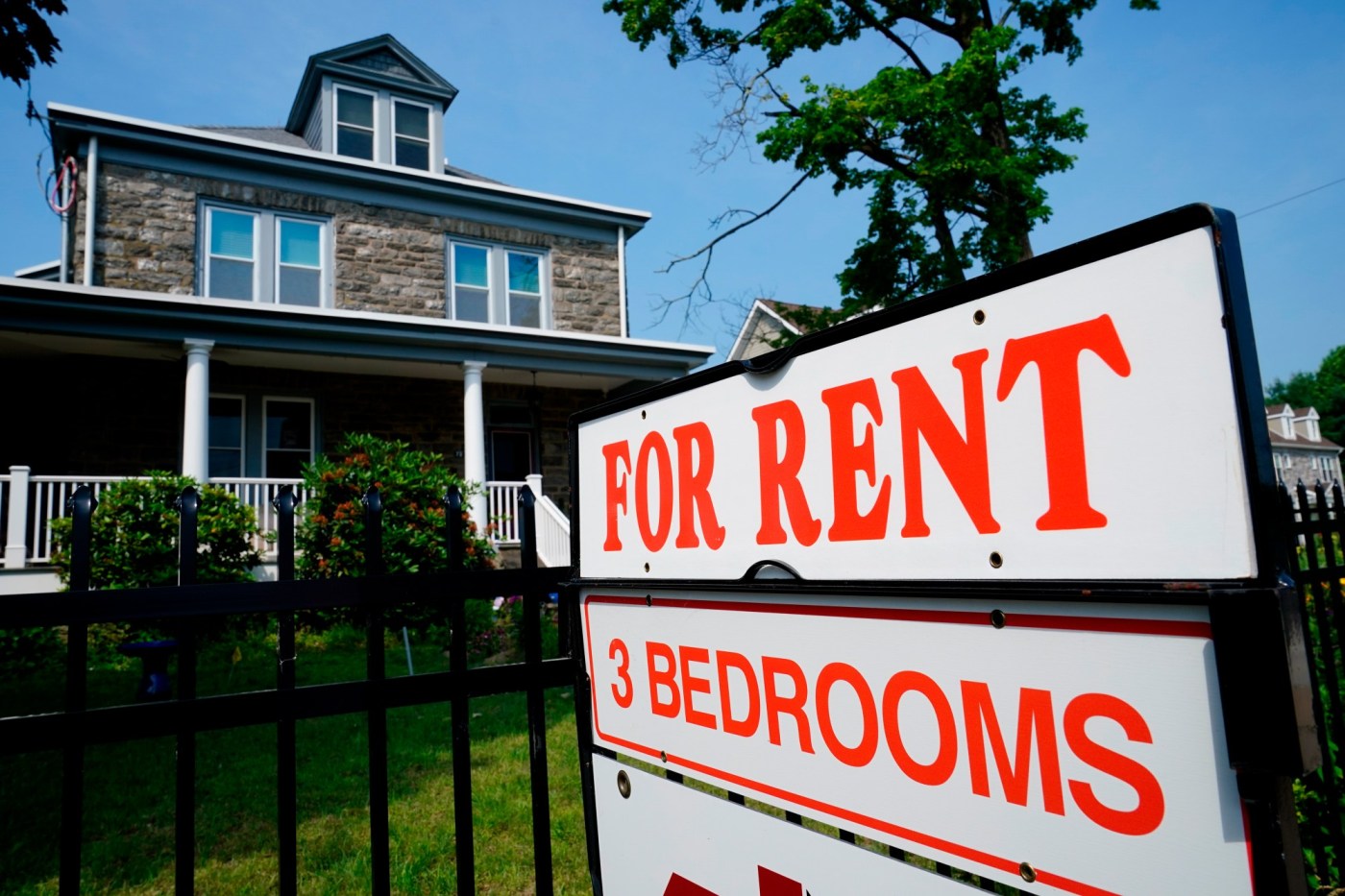
The average rent in the United States has reached approximately $2,000 per month, marking a steep increase of 36% over the past five years. A recent report from the U.S. Department of Housing and Urban Development (HUD) indicates that a significant rise in immigration during the Biden administration has contributed to this surge in housing demand, particularly in the rental sector.
HUD’s findings, detailed in its Worst Case Housing Needs 2025 Report to Congress, utilize data from the 2023 American Housing Survey. The agency highlights that between 2021 and 2024, the foreign-born population in the U.S. expanded by roughly six million individuals, representing the largest population increase in such a short time in American history. This rise in population directly exacerbated housing pressures, with HUD estimating that immigration accounted for up to 100% of housing demand growth in specific regions and approximately two-thirds of total rental demand growth across the nation during that period.
The report does not limit its focus solely to undocumented immigrants. Broader estimates from the Pew Research Center suggest that the undocumented population in the U.S. was around 14 million in 2023. Responding to concerns raised by experts about the role of immigration, HUD Secretary Scott Turner defended the report, stating that the rental crisis predates the recent immigration surge and is influenced by multiple factors.
“Over the last several months, illegal border crossings have dropped dramatically, and rent prices have gone down month by month,” Turner asserted. “As we check illegal immigration, rent prices come down. That’s not a coincidence.” He emphasized that the influx of unauthorized migrants has intensified competition for housing, thereby impacting American citizens’ access to affordable options.
Regional Disparities in Housing Demand
The effects of immigration on housing demand have not been uniform across the country. States like California and New York have experienced the most significant impacts. Following 2019, the growth rate of households led by non-citizens nearly doubled. Between 2015 and 2019, non-citizen households increased by about 7%; this growth accelerated to 13% from 2019 to 2023, a period when housing supply was already under considerable strain.
While HUD’s report highlights the impact of immigration on housing demand, analysts caution against attributing the entirety of the crisis to this factor. Many housing experts argue that the current market shortage has roots that extend back years, even decades. Analysis by Bankrate indicates that the housing crisis can be traced back to the Great Recession of 2007-2008. The collapse of the housing market led to a significant decline in homebuilding, as builders faced bankruptcy and financing for construction dried up. As a result, new housing starts fell sharply and have not returned to pre-2008 levels, according to data from the St. Louis Federal Reserve.
A balanced housing market typically requires a supply of five to six months of available homes. Currently, the U.S. has about 3.5 months of supply, which, while an improvement from pandemic lows, remains significantly below healthy levels.
Investors and the Housing Market Squeeze
In addition to the effects of immigration, the role of large investors in the housing market has further complicated the situation. A report from Realtor.com indicates that investor purchases accounted for 14.8% of all home purchases in the first quarter of 2024, the highest percentage recorded since the firm began tracking this data. Many investor-acquired homes are either rented or flipped, which decreases the number of properties available for individual buyers and contributes to rising rental prices. This dynamic creates a cycle where potential homeowners find themselves increasingly shut out of the market, while rental supply continues to tighten.
The HUD report has intensified an already vigorous debate regarding the causes of rising rental costs. While it clearly indicates that immigration, including those residing in the U.S. illegally, has significantly increased housing demand, economists and housing advocates argue that the consequences of demand shocks would be less severe if the U.S. had maintained consistent homebuilding efforts over the past 15 years.
In summary, the interplay between immigration, historical housing shortages, and market dynamics continues to shape the rental landscape in the United States. As discussions about solutions progress, understanding the multifaceted nature of the crisis remains crucial for policymakers and stakeholders alike.

Kendall Jenner & Ben Gorham Spark Dating Rumors After LA Outing

Nick Reiner Arrested After Parents’ Murders; Shocking Footage Revealed

Netflix’s Last Samurai Standing Confirmed for Season 2 Today

Disney Cancels Gender-Swapped ‘Holes’ Reboot; Fans Celebrate

Immigration Surge Fuels Rising Rental Costs in the U.S.

Voya Investment Management Reduces Stake in Capital One Financial

Christmas Carols Spark Discussion on Biblical Accuracy

Experts Warn on Safety of New RSV Treatments for Infants

Poinsettias and Patriotism: A Heartfelt Christmas Tradition

Inventor Achieves Breakthrough with 2 Billion FPS Laser Video

Community Unites for 7th Annual Into the Light Walk for Mental Health

Charlie Sheen’s New Romance: ‘Glowing’ with Younger Partner

Dua Lipa Aces GCSE Spanish, Sparks Super Bowl Buzz with Fans

Curium Group, PeptiDream, and PDRadiopharma Launch Key Cancer Trial

Former Mozilla CMO Launches AI-Driven Cannabis Cocktail Brand Fast

Mother Fights to Reunite with Children After Kidnapping in New Drama

R&B Icon D’Angelo Dies at 51, Leaving Lasting Legacy

Israel Reopens Rafah Crossing After Hostage Remains Returned
-
 Science2 months ago
Inventor Achieves Breakthrough with 2 Billion FPS Laser Video
-
 Health2 months ago
Community Unites for 7th Annual Into the Light Walk for Mental Health
-
 Top Stories2 months ago
Charlie Sheen’s New Romance: ‘Glowing’ with Younger Partner
-
 Entertainment2 months ago
Dua Lipa Aces GCSE Spanish, Sparks Super Bowl Buzz with Fans
-
 Health2 months ago
Curium Group, PeptiDream, and PDRadiopharma Launch Key Cancer Trial
-
 Top Stories2 months ago
Former Mozilla CMO Launches AI-Driven Cannabis Cocktail Brand Fast
-
 Entertainment2 months ago
Mother Fights to Reunite with Children After Kidnapping in New Drama
-
 World2 months ago
R&B Icon D’Angelo Dies at 51, Leaving Lasting Legacy
-
 World2 months ago
Israel Reopens Rafah Crossing After Hostage Remains Returned
-

 Business2 months ago
Tyler Technologies Set to Reveal Q3 Earnings on October 22
-

 Health2 months ago
YouTube Launches New Mental Health Tools for Teen Users
-

 Entertainment2 months ago
Red Sox’s Bregman to Become Free Agent; Tigers Commit to Skubal