
World
NTSB Finds Pilot Error Led to Near Takeoff Mishap at Orlando

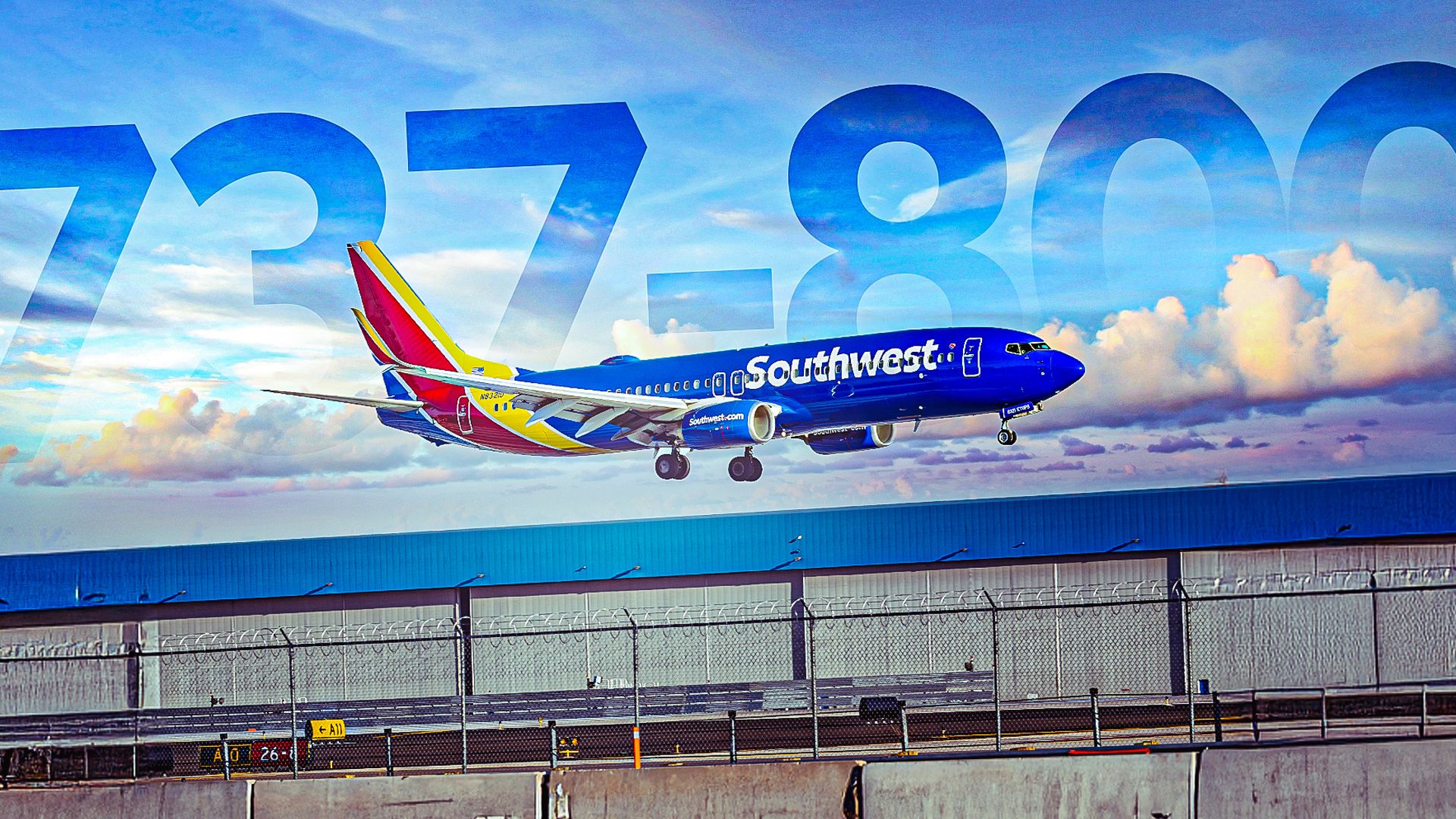
On March 20, 2025, a Southwest Airlines Boeing 737-800 nearly took off from a taxiway at Orlando International Airport (MCO) instead of the designated runway. Fortunately, air traffic control intervened, and the takeoff was aborted without incident. All 152 passengers and six crew members on board returned safely to the apron. The National Transportation Safety Board (NTSB) has since identified pilot error as the primary cause of the incident.
The aircraft was preparing for its journey to Albany, New York (ALB) when the crew mistakenly initiated the takeoff roll on taxiway H2, which runs parallel to runway 17R. Air traffic controllers noticed the aircraft’s incorrect positioning and promptly canceled its takeoff clearance. The pilots then rejected the takeoff, bringing the aircraft back to safety.
Investigation Highlights Pilot Actions
The NTSB, collaborating with the Federal Aviation Administration (FAA), released a comprehensive report on December 11, 2025. A significant finding revealed that the captain had failed to recognize that the aircraft was not aligned with the assigned departure runway. The report stated, “The captain’s failure to recognize that the airplane’s location did not agree with the assigned departure runway… [and] continuation error when he missed several cues that would have informed him that he was not on the assigned departure runway.”
During the investigation, the captain recounted the moments leading up to the incident. After receiving takeoff clearance, he turned right onto taxiway H2 instead of continuing to runway 17R. Despite seeing the sign for runway 17R, he failed to recognize he was on a taxiway. The captain disclosed that he was focused on centering the aircraft and completing pre-takeoff checklists, which distracted him from noticing the taxiway surface.
When investigators inquired about the runway numbers, the captain explained that he could not see them from the cockpit. He relied on visual references, including lighting and a moving map display, to navigate during taxiing.
Failure to Follow Standard Operating Procedures
The NTSB report highlighted that the captain did not adhere to Southwest Airlines’ standard operating procedures (SOP). These procedures provide a series of references that pilots must use to confirm their aircraft’s correct position for takeoff. Such references include navigation displays, runway signage, and painted runway designations.
The NTSB found that the captain failed to utilize these visual references adequately. He overlooked crucial visual cues, such as the yellow painted centerline and the noticeable differences in surface texture between the taxiway and the runway. Additionally, the first officer was reportedly distracted by the captain’s requests to confirm checklist items during the taxi, which further deviated from the airline’s SOPs.
While the incident concluded without injuries or damage, it underscores the critical importance of adherence to operational protocols in aviation. With air travel expected to remain busy, particularly during peak seasons, ensuring pilots are vigilant and follow procedures is paramount for passenger safety.

U.K. Economy Shrinks 0.1% in October; BOE Rate Cut Expected

Fury Gold Mines Shares Surge 8.3%: Is It Still a Strong Investment?

New Housing Development Sparks Tensions in Rural Community

Free Birth Society’s Influence Linked to Preventable Tragedy

Jessica Alba Shines in Stylish Beach Look During Family Getaway

LAPD’s Jaywalking Operation Stirs Controversy on Ventura Boulevard

LAPD’s Viral Jaywalking Operation Sparks Heated Online Debate

19-Year-Old Arrested for Allegedly Running Teen Drug Delivery Service

Florida Gators Reveal 2026 Football Schedule Amid Coaching Change

Inventor Achieves Breakthrough with 2 Billion FPS Laser Video

Community Unites for 7th Annual Into the Light Walk for Mental Health

Charlie Sheen’s New Romance: ‘Glowing’ with Younger Partner

Dua Lipa Aces GCSE Spanish, Sparks Super Bowl Buzz with Fans

Curium Group, PeptiDream, and PDRadiopharma Launch Key Cancer Trial

Former Mozilla CMO Launches AI-Driven Cannabis Cocktail Brand Fast

Israel Reopens Rafah Crossing After Hostage Remains Returned

Mother Fights to Reunite with Children After Kidnapping in New Drama

R&B Icon D’Angelo Dies at 51, Leaving Lasting Legacy
-
 Science2 months ago
Inventor Achieves Breakthrough with 2 Billion FPS Laser Video
-
 Health2 months ago
Community Unites for 7th Annual Into the Light Walk for Mental Health
-
 Top Stories2 months ago
Charlie Sheen’s New Romance: ‘Glowing’ with Younger Partner
-
 Entertainment2 months ago
Dua Lipa Aces GCSE Spanish, Sparks Super Bowl Buzz with Fans
-
 Health2 months ago
Curium Group, PeptiDream, and PDRadiopharma Launch Key Cancer Trial
-
 Top Stories2 months ago
Former Mozilla CMO Launches AI-Driven Cannabis Cocktail Brand Fast
-
 World2 months ago
Israel Reopens Rafah Crossing After Hostage Remains Returned
-
 Entertainment2 months ago
Mother Fights to Reunite with Children After Kidnapping in New Drama
-
 World2 months ago
R&B Icon D’Angelo Dies at 51, Leaving Lasting Legacy
-

 Business2 months ago
Tyler Technologies Set to Reveal Q3 Earnings on October 22
-

 Health2 months ago
YouTube Launches New Mental Health Tools for Teen Users
-

 Health2 months ago
North Carolina’s Biotech Boom: Billions in New Investments